









A painting canvas is more than just a surface; it is the foundation upon which artistic imagination takes form. For centuries, artists have relied on canvas as a reliable and versatile medium to express emotions, ideas, and stories through color and form. From classical masterpieces to contemporary artworks, the canvas remains a timeless companion in the world of painting.
Traditionally made from materials such as cotton or linen stretched tightly over a wooden frame, the painting canvas provides a sturdy and flexible base for various painting techniques. Linen canvases are known for their durability and fine texture, often preferred by professional artists, while cotton canvases are more affordable and widely used by beginners and hobbyists. The choice of canvas influences how paint behaves on the surface and how the final artwork appears.
One of the key aspects of a painting canvas is its texture, often referred to as “tooth.” This texture affects the way paint adheres to the surface. A rougher canvas holds more paint, creating bold, expressive strokes, while a smoother canvas allows for finer details and delicate blending. Artists select canvases based on their style, medium, and desired visual effect.
Preparation of the canvas is essential for achieving quality results. Most canvases are primed with gesso, a white coating that seals the fabric and creates an even surface. Gesso prevents paint from soaking into the fabric, preserving color vibrancy and extending the lifespan of the artwork. Some artists apply multiple layers of gesso or tint it with color to create a specific mood or background tone.
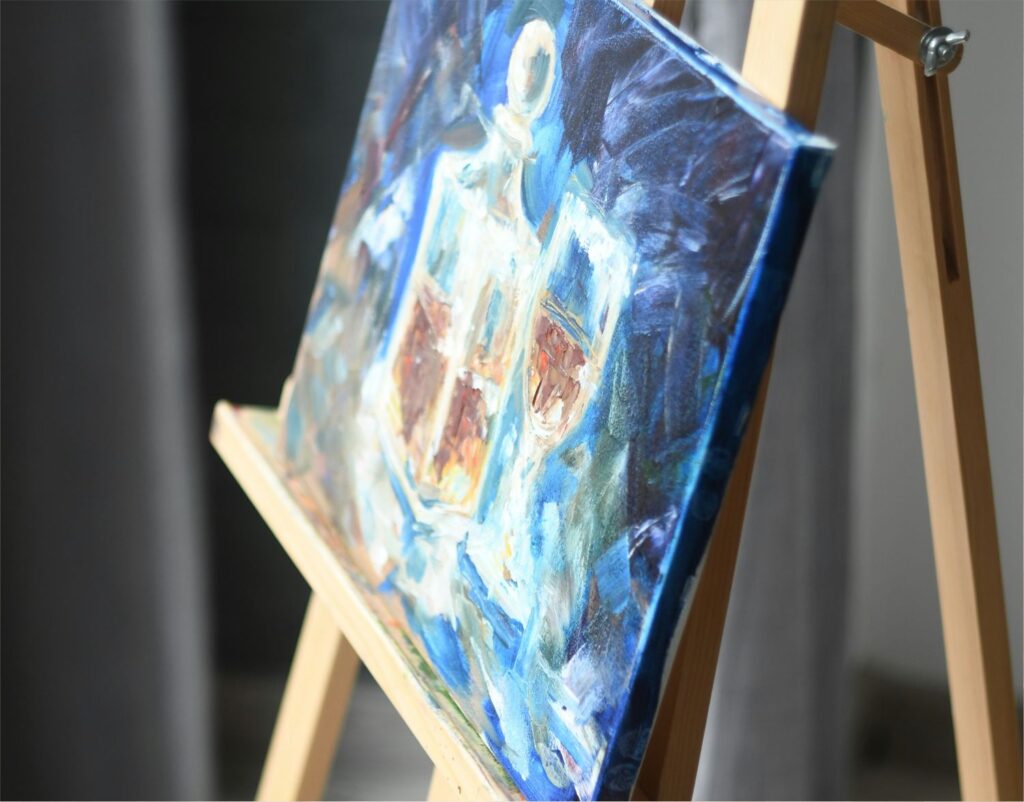
Painting canvases are compatible with a wide range of mediums, including acrylics, oils, and mixed media. Acrylic paints dry quickly and work well on canvas, making them popular for modern and experimental styles. Oil paints, known for their rich texture and slow drying time, allow artists to blend and layer colors smoothly. The canvas supports these techniques, offering flexibility and strength throughout the creative process.
Beyond functionality, the canvas plays a symbolic role in art. A blank canvas represents possibility and potential, inviting artists to begin their creative journey. Each mark made on the surface captures a moment of thought and emotion, turning an empty space into a visual narrative. This transformation is at the heart of artistic expression.
Modern innovations have expanded canvas options even further. Artists now have access to pre-stretched canvases, canvas boards, and rolls of canvas fabric, offering convenience and versatility. Alternative materials and eco-friendly canvases are also emerging, reflecting changing artistic and environmental values. In conclusion, the painting canvas is an essential element of the artistic process. It supports creativity, preserves artwork, and bridges tradition with innovation. Whether used by a beginner exploring creativity or a professional crafting a masterpiece, the canvas remains a silent yet powerful partner in bringing art to life.