




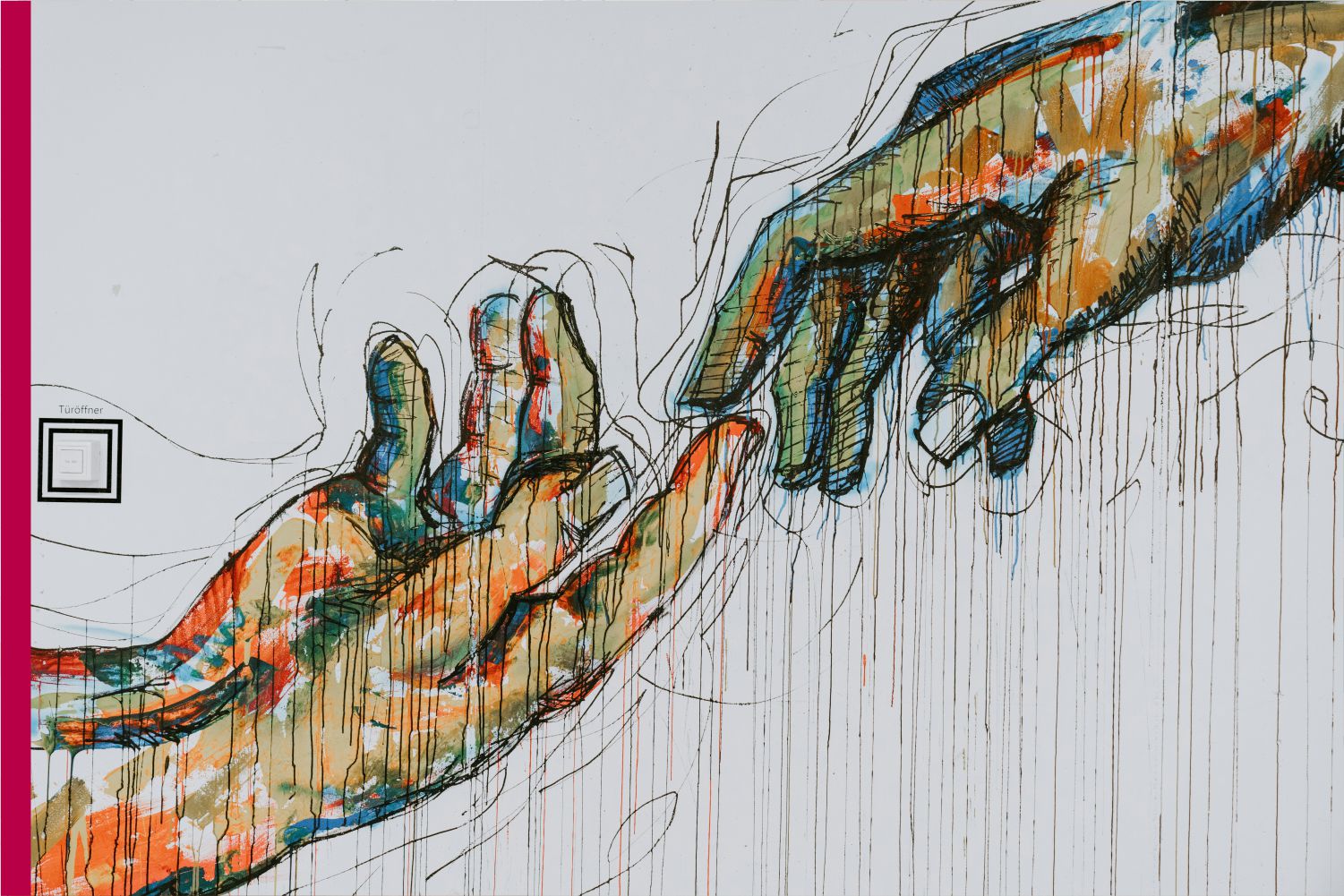
Modern art represents one of the most transformative and expressive movements in the history of creativity. Emerging in the late 19th and early 20th centuries, it broke away from the traditional rules and expectations that had shaped art for centuries. Instead of focusing strictly on realistic representation, modern artists began to explore new ways of seeing, feeling, and interpreting the world. This shift opened the door to bold experimentation, abstract ideas, and powerful emotional expressions that still influence contemporary art today.
At the heart of modern art is the idea that art does not need to imitate life. Artists began to ask deeper questions: What if art focused on emotions rather than accuracy? What if colors, shapes, and lines could express inner thoughts or societal changes? These questions sparked movements such as Impressionism, which captured fleeting moments with light and color, and Expressionism, which used exaggerated forms to communicate intense feelings. Cubism, pioneered by Pablo Picasso and Georges Braque, shattered traditional perspectives by breaking objects into geometric shapes. Each of these movements pushed boundaries and redefined what art could be.
A defining element of modern art is its openness to interpretation. Unlike classical art, which often portrayed clear narratives or historical events, modern artworks invite viewers to think, question, and form personal connections. A single painting might evoke different emotions in different people. For example, an abstract composition may seem chaotic to one person but deeply meaningful to another. This freedom makes modern art engaging and dynamic, encouraging audiences to look beyond the surface.
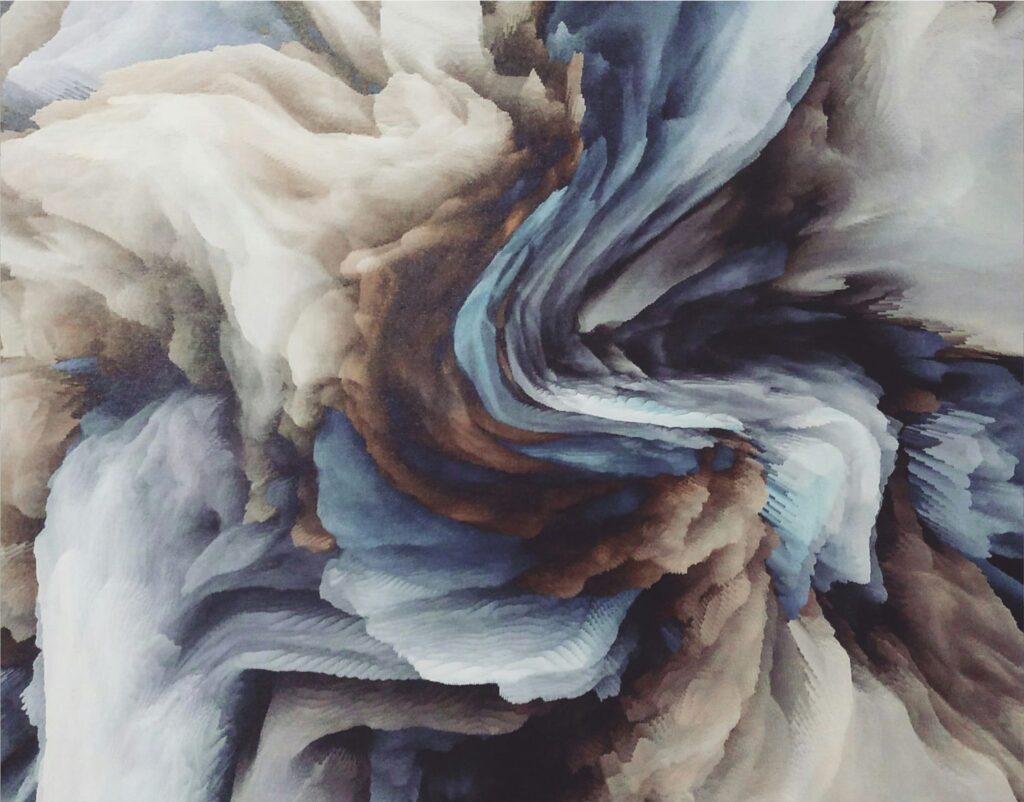
Modern art also reflects the rapid changes of its time. The industrial revolution, urbanization, world wars, and political shifts influenced artists to express their experiences and concerns visually. Some artists rejected traditional beauty and embraced raw, unconventional forms to mirror the complexities of modern life. Others used bright colors and simplified shapes to celebrate creativity and imagination. This rich variety shows how modern art became a powerful tool for social commentary, innovation, and self-expression.
Despite its experimental nature, modern art remains deeply connected to human emotions and experiences. It encourages people to explore their thoughts, embrace new ideas, and appreciate different perspectives. Whether through bold colors, abstract shapes, or unusual compositions, modern art challenges viewers to see the world in new ways. Its legacy is not just in the works created but in the freedom it gave future generations of artists to express themselves without limitations.
Modern art continues to inspire, provoke, and move people across the globe. Its spirit of innovation reminds us that creativity thrives when artists dare to break the rules and imagine beyond the familiar.