



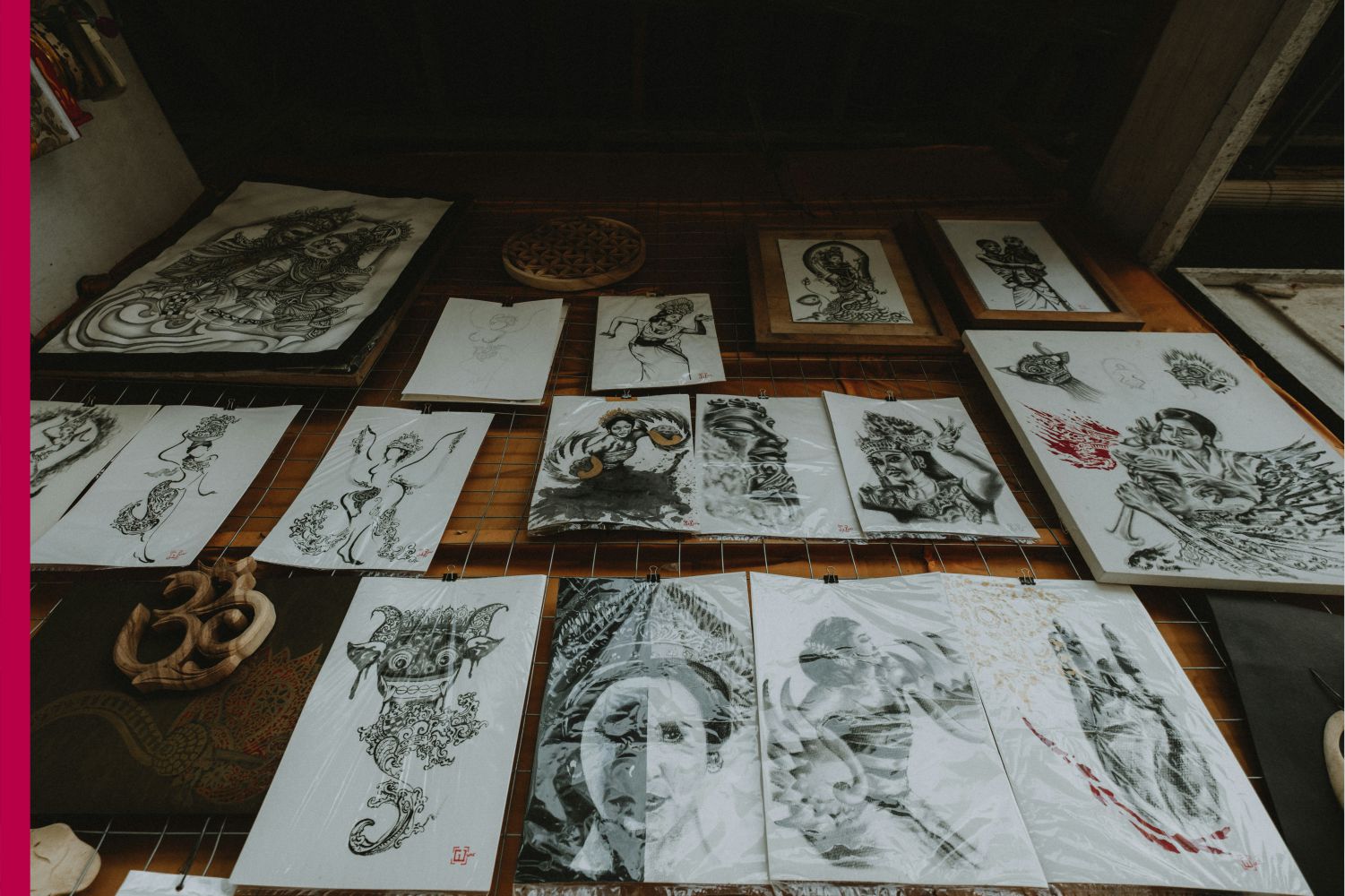
Ink art is one of the oldest and most powerful forms of visual expression, celebrated for its simplicity, depth, and emotional intensity. Using just ink and a surface such as paper, artists are able to create striking compositions that range from delicate line work to bold, dramatic contrasts. Despite its minimal tools, ink art offers limitless creative possibilities and continues to inspire artists across cultures and generations.
Historically, ink art has deep roots in Asian traditions, particularly in Chinese, Japanese, and Korean art. Calligraphy and ink wash painting were not only artistic practices but also spiritual disciplines, emphasizing balance, control, and mindfulness. In Western art, ink has been widely used for illustrations, manuscripts, and sketches, eventually evolving into a respected standalone art form. These diverse origins have shaped ink art into a global language of creativity.
One of the defining features of ink art is its emphasis on line. Every stroke matters, as ink is often unforgiving and difficult to correct. This challenges artists to work with confidence and intention. Lines can be smooth and flowing, sharp and energetic, or textured and broken, each conveying a different emotion. Through variations in pressure, speed, and direction, artists breathe life into their subjects, whether they are portraits, landscapes, or abstract designs.
Another powerful aspect of ink art is contrast. The interplay between black ink and white space creates a visual rhythm that draws the viewer’s eye. Negative space is just as important as the inked areas, allowing compositions to feel balanced and expressive. This use of contrast gives ink art a dramatic quality, making even simple subjects appear bold and captivating.
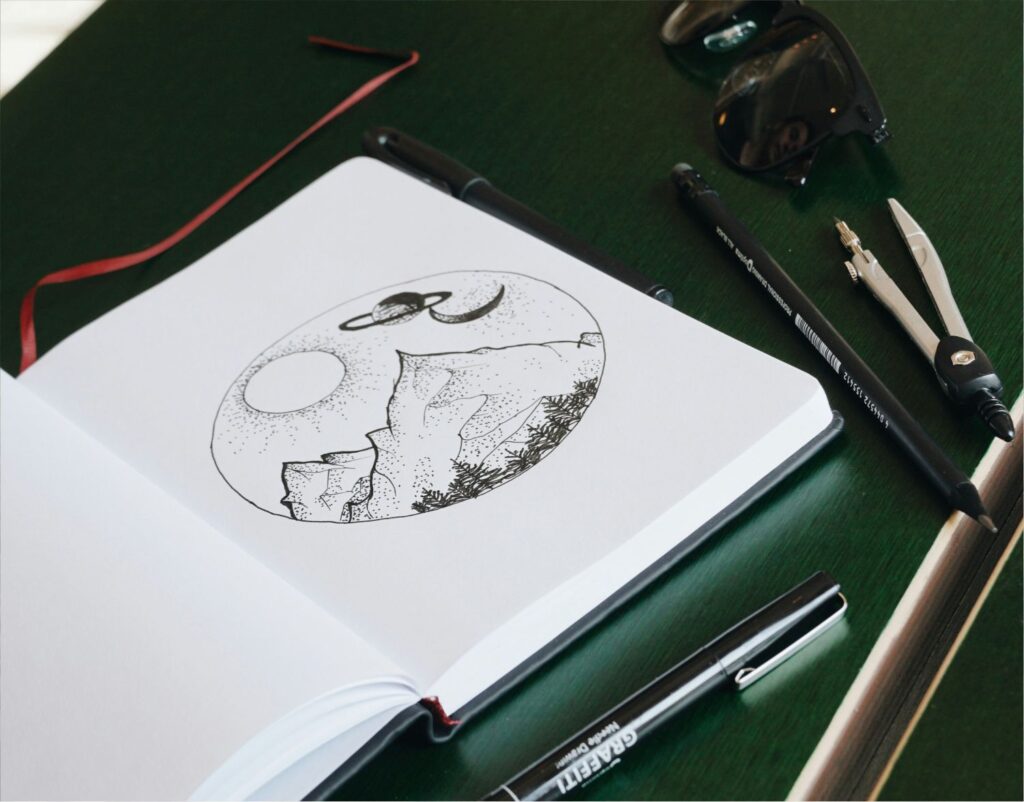
Ink art is also incredibly versatile. Artists use techniques such as stippling, hatching, cross-hatching, and ink washes to achieve different textures and depths. Fine liners, dip pens, brush pens, and traditional bamboo brushes all offer unique results. Some artists prefer precise, detailed illustrations, while others embrace loose, expressive strokes that capture movement and mood. This flexibility makes ink art suitable for everything from realistic drawings to surreal and abstract creations.
In modern times, ink art has found a strong presence in graphic novels, tattoo designs, fashion illustrations, and digital art. Many contemporary artists combine traditional ink techniques with digital tools, preserving the organic feel of ink while exploring new creative directions. Social media platforms have also played a major role in reviving interest in ink art, allowing artists to share time-lapse videos and process shots that highlight the beauty of each stroke.
Beyond technique and style, ink art is often valued for its meditative quality. The act of drawing with ink requires focus and patience, helping artists connect deeply with their work. For viewers, ink art offers a sense of clarity and raw emotion, free from excessive colors or distractions.
In conclusion, ink art remains a timeless and influential art form that thrives on simplicity and expression. Its ability to convey powerful stories through minimal means makes it endlessly fascinating. Whether traditional or modern, ink art continues to prove that sometimes, black and white are more than enough to create something truly unforgettable.