




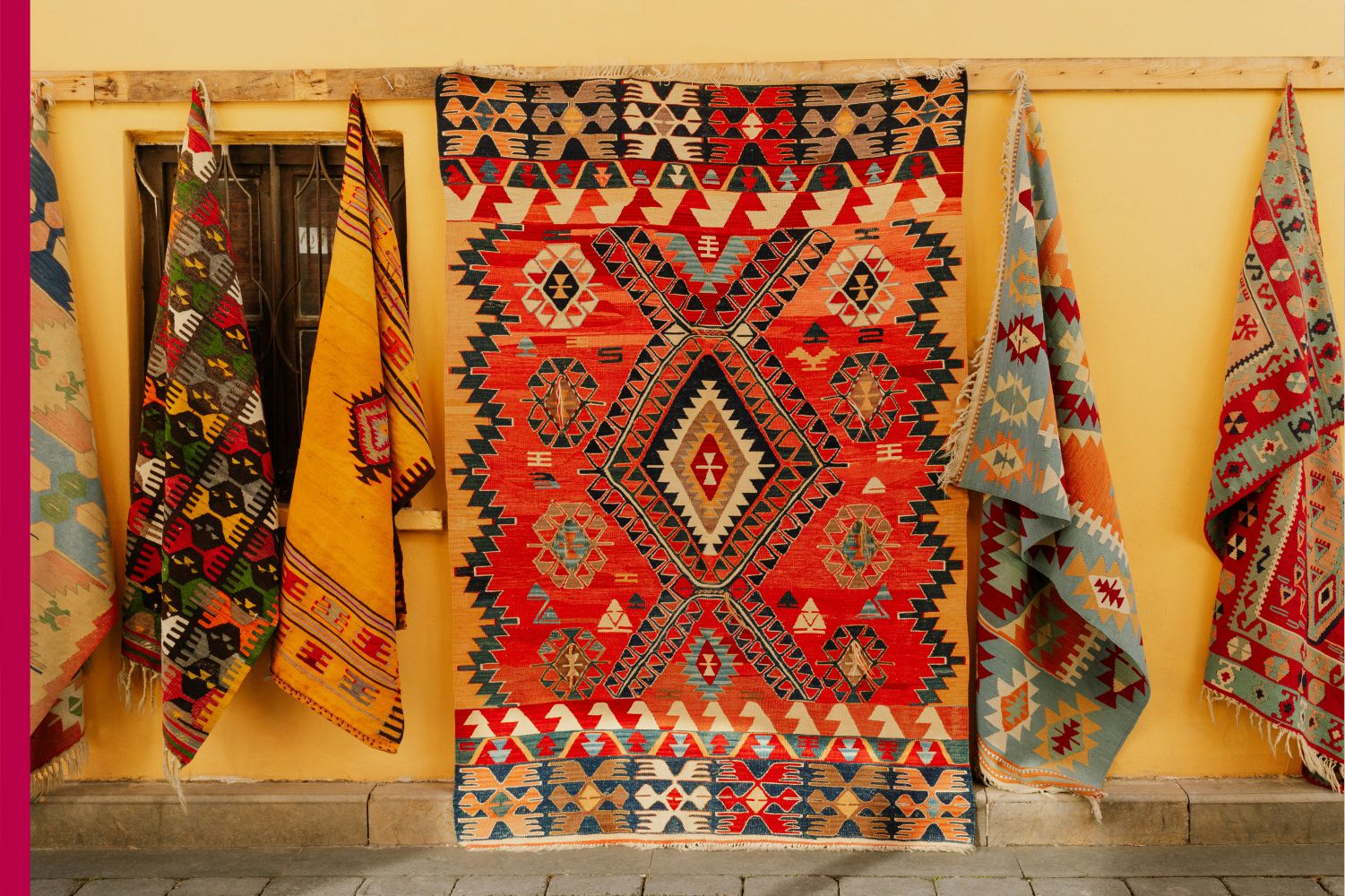
Indian fabric design is one of the richest and most diverse textile traditions in the world, reflecting the country’s deep-rooted heritage, artistic mastery, and cultural diversity. From the intricate motifs of Kashmir to the vibrant prints of Rajasthan, Indian textiles represent centuries of craftsmanship that continue to inspire global fashion and modern design. Every region in India brings its own story through colours, patterns, and weaving techniques, making Indian fabric design a living tapestry of creativity.
One of the most defining features of Indian fabrics is the use of natural fibres such as cotton, silk, jute, and wool. Cotton, famously cultivated in India for thousands of years, forms the base for countless traditional textiles like Khadi, handloom cottons, and block-printed fabrics. Silk, another cornerstone of Indian textile culture, is celebrated through varieties like Banarasi silk, Kanchipuram silk, Tussar silk, and Patola. These fabrics are not just materials; they are symbols of luxury, tradition, and identity, often worn during festivals, weddings, and cultural ceremonies.
Indian fabric design is also known for its extraordinary craftsmanship. Techniques such as block printing, tie-and-dye (Bandhani), Kalamkari, Ajrakh, Ikat, and Zardozi embroidery showcase the immense skill of Indian artisans. Each technique involves a high level of precision and creativity. For example, Bandhani from Gujarat and Rajasthan requires thousands of tiny knots tied by hand to create beautiful dotted patterns. Kalamkari, on the other hand, is a storytelling art form where artisans use natural dyes and hand painting to narrate mythological scenes on fabric. These traditional methods have been passed down through generations, keeping the cultural legacy alive.
Colours and motifs also play a major role in Indian fabric design. Indian textiles are known for their vibrant, expressive colour palettes inspired by nature, festivals, and local beliefs. Motifs often include flowers, paisleys, animals, geometric shapes, and religious symbols. Whether it’s the peacock patterns of Odisha or the mango motif (ambi) of Punjab, every design element carries meaning and cultural significance.
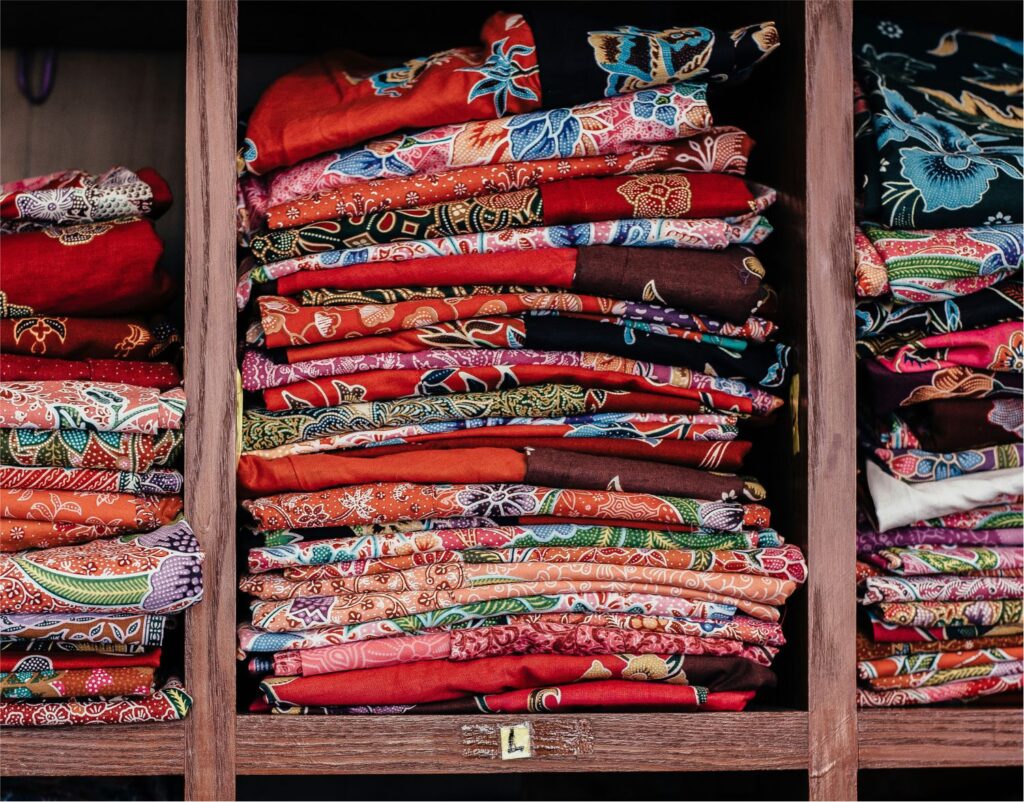
In the modern era, Indian fabric design is experiencing a revival as designers blend traditional techniques with contemporary trends. Sustainable fashion movements have further boosted the popularity of handloom fabrics, as consumers appreciate the eco-friendly and artisanal nature of these textiles. Indian designers are also incorporating traditional prints into western silhouettes, creating fusion wear that appeals to global and young audiences.
Moreover, Indian fabrics have gained international fame for their quality, uniqueness, and storytelling nature. From international runways to luxury boutiques, Indian textile art is admired for its authenticity and craftsmanship. In essence, Indian fabric design is more than just textile creation it is a celebration of India’s cultural richness, history, and artistic spirit. It continues to evolve while preserving its traditional roots, making it a timeless treasure in the world of fashion and design.