




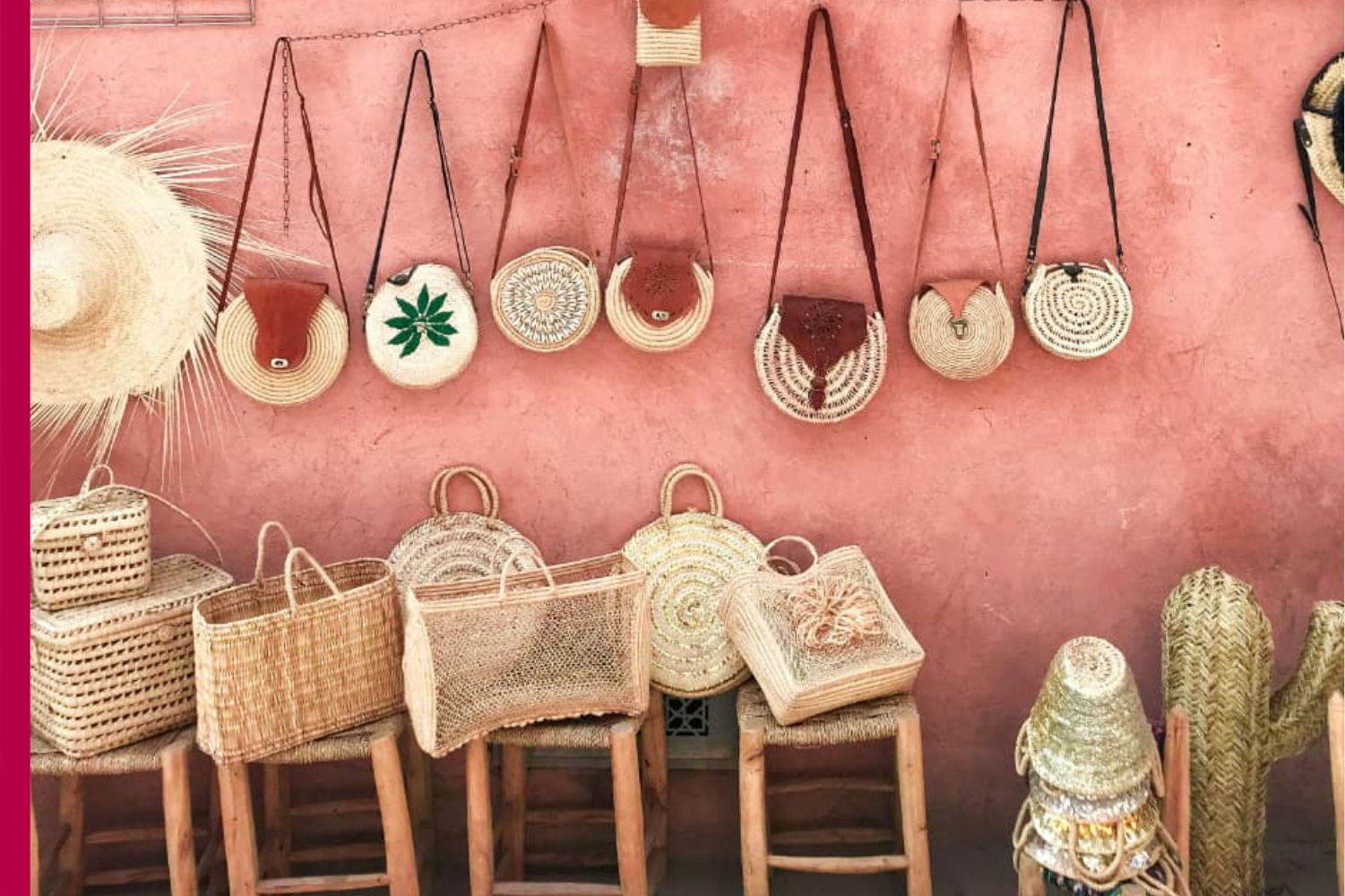
Traditional bag crafting is a timeless art form that beautifully blends functionality with cultural expression. Across different regions of the world, artisans have been creating bags by hand for centuries, using locally available materials and age-old techniques. These handcrafted bags are more than everyday accessories; they are symbols of heritage, identity, and skilled workmanship passed down through generations.
The materials used in traditional bag crafting are often natural and eco-friendly. Cotton, jute, leather, palm leaves, bamboo fibers, and handwoven fabrics form the foundation of many traditional designs. These materials are chosen not only for their durability but also for their connection to the local environment. For example, coastal regions may use palm leaves or reeds, while rural areas rely on cotton or jute grown nearby. This close relationship between craft and nature makes traditional bags sustainable and environmentally responsible.
The process of making traditional bags requires patience, precision, and creativity. Artisans use techniques such as hand stitching, weaving, braiding, embroidery, and natural dyeing to bring each bag to life. Intricate patterns, vibrant colors, and symbolic motifs often reflect regional traditions, festivals, or daily life. Every stitch tells a story, and no two bags are exactly alike, making each piece unique. The time and effort involved in crafting a single bag highlight the dedication and skill of the artisan.
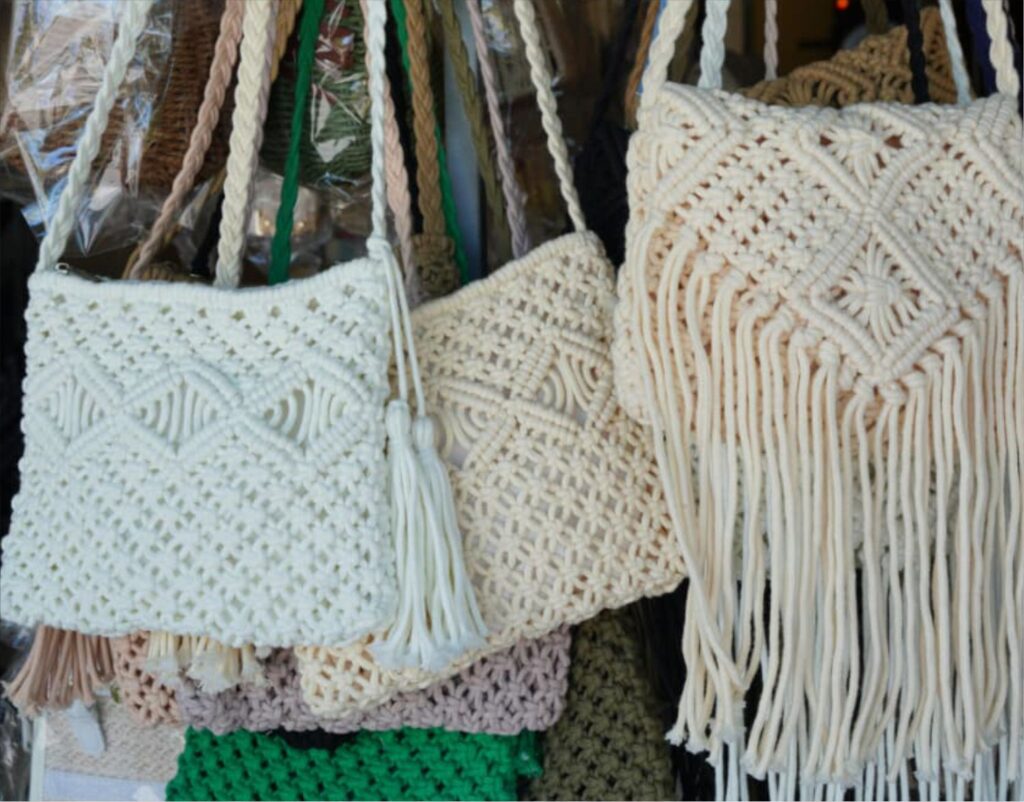
Traditional bags are designed to be both practical and artistic. Historically, they were used to carry grains, tools, personal belongings, or ceremonial items. Over time, their designs evolved to suit changing lifestyles while still preserving cultural elements. Today, these bags are adapted for modern use as handbags, tote bags, travel pouches, and fashion accessories. Their versatility allows them to blend seamlessly with contemporary fashion while retaining their traditional charm.
In the modern world, handcrafted traditional bags are gaining renewed appreciation. As people become more conscious of sustainability and ethical fashion, handmade products stand out as alternatives to mass-produced items. Traditional bags promote slow fashion by focusing on quality, durability, and meaningful design rather than rapid consumption. Choosing such products helps reduce environmental impact and supports responsible production practices.
Supporting traditional bag crafting also plays a vital role in empowering local communities. Many artisans rely on this craft as their primary source of income. By purchasing handcrafted bags, consumers contribute to preserving cultural art forms, sustaining livelihoods, and encouraging younger generations to continue these traditions. It creates a direct connection between the maker and the user, adding emotional value to the product.
In conclusion, crafting traditional bags is an art that celebrates culture, creativity, and sustainability. These handmade creations reflect the rich heritage of communities and the dedication of skilled artisans. By embracing traditional bags in our daily lives, we not only enjoy unique and meaningful accessories but also help protect cultural traditions and support a more sustainable and ethical future.