









Cartoon making is a creative art form that combines imagination, storytelling, and visual expression to create engaging characters and scenes. From simple comic strips to animated series and digital illustrations, cartoons have the power to entertain, educate, and communicate ideas in a fun and memorable way. Over the years, cartoon making has evolved with technology, but its core purpose remains the same to tell stories that connect with audiences of all ages.
The process of cartoon making begins with an idea. Every cartoon starts with a concept, message, or story that the creator wants to share. This could be humorous, educational, emotional, or social in nature. Once the idea is clear, artists develop characters by defining their appearance, personality, expressions, and body language. Strong character design is essential, as memorable characters often become the heart of successful cartoons.
Drawing is a fundamental skill in cartoon making, but it does not always require advanced artistic expertise. Many cartoons use simple shapes, bold lines, and exaggerated features to express emotions clearly. Facial expressions and gestures play a crucial role in conveying feelings and actions. Cartoon artists often focus on clarity and exaggeration rather than realism, which gives cartoons their unique charm and appeal.
Storytelling is another key element of cartoon making. A good cartoon tells a story visually, sometimes with minimal dialogue. Timing, sequencing, and visual flow help guide the viewer through the narrative. In comic strips, panels are arranged to build humor or suspense, while in animation, movement and pacing bring the story to life. Effective storytelling ensures that the audience stays engaged and understands the message.
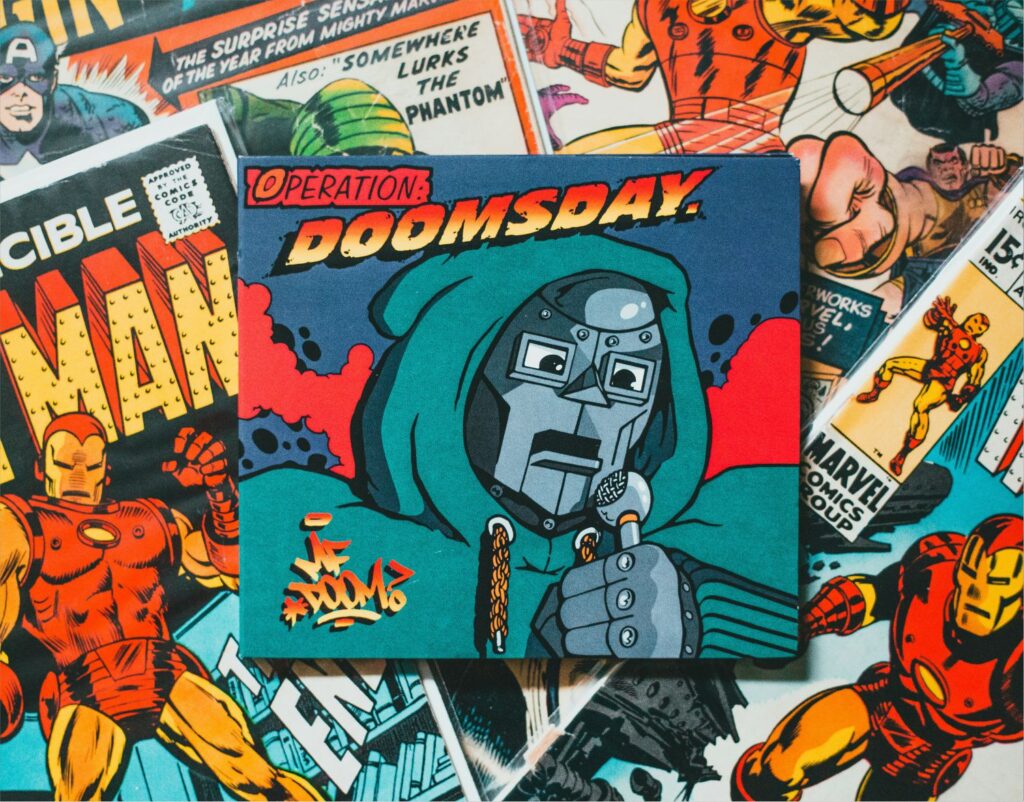
With the rise of digital tools, cartoon making has become more accessible than ever. Software and apps allow artists to draw, color, animate, and edit cartoons efficiently. Digital cartoon making offers features like layers, undo options, and special effects that enhance creativity. At the same time, traditional hand-drawn cartoons continue to be valued for their personal and artistic touch.
Cartoon making is widely used beyond entertainment. Educational cartoons simplify complex topics, making learning more enjoyable for children and adults alike. Cartoons are also powerful tools in advertising, branding, and social awareness campaigns because they capture attention quickly and communicate ideas effectively. Political cartoons, in particular, use humor and satire to comment on current events and social issues.
Creating cartoons also has personal benefits. It encourages creativity, improves observation skills, and enhances visual communication. For aspiring artists, cartoon making builds confidence and opens opportunities in fields such as animation, illustration, game design, and content creation.
In conclusion, cartoon making is a dynamic and expressive art form that blends creativity with communication. Whether created for fun, education, or professional purposes, cartoons have a universal appeal that transcends language and age. By turning ideas into visual stories, cartoon making continues to inspire, entertain, and connect people across the world.