



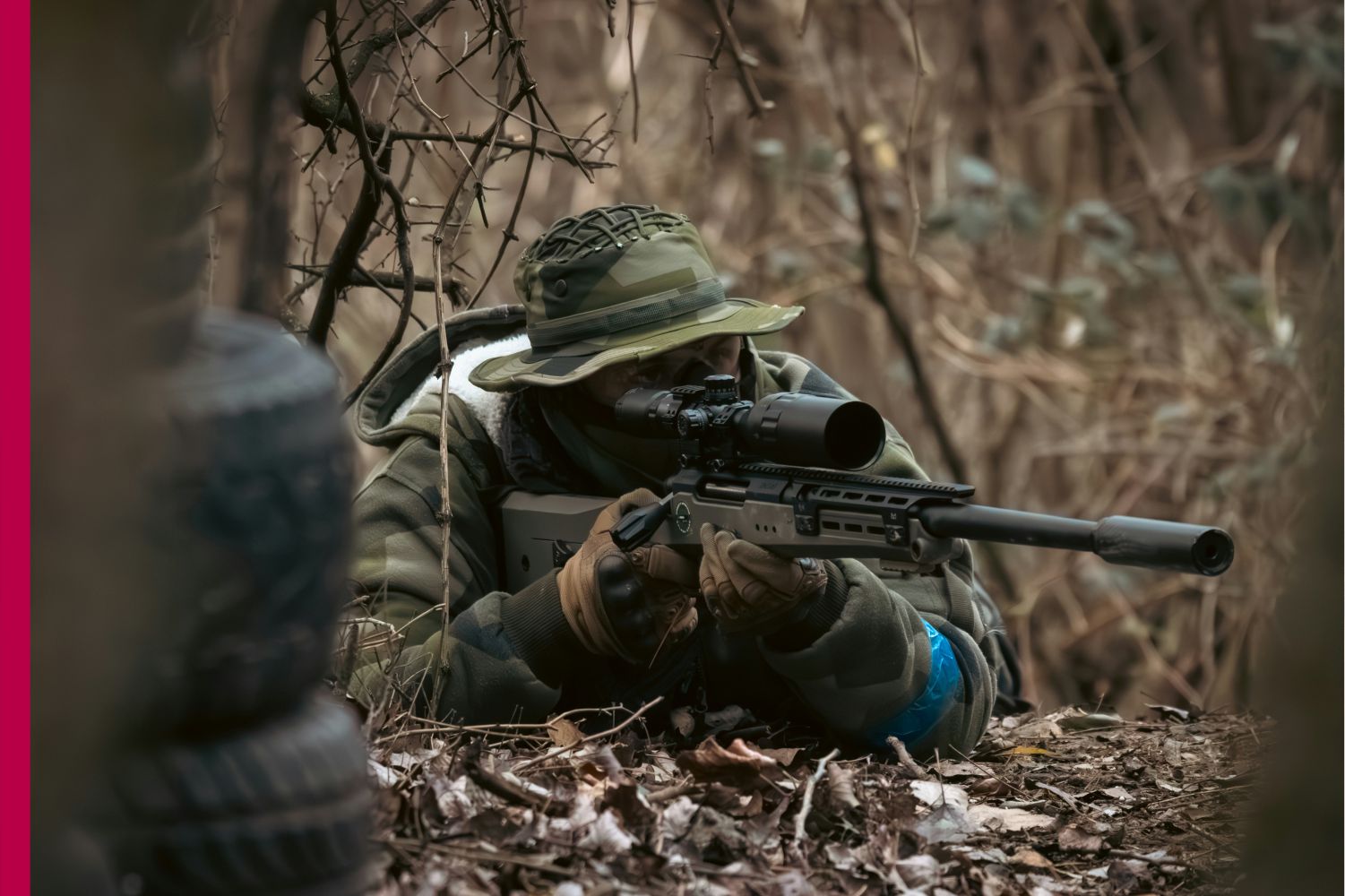
Camouflage patterns, commonly known as camo, play a crucial role in modern military operations. Designed to help soldiers blend into their surroundings, camo patterns reduce visibility and enhance survivability on the battlefield. Over time, camouflage has evolved from simple color schemes to complex designs based on science, environment, and tactical needs. In the army, camo is not just about appearance—it is a vital element of strategy.
The primary purpose of camo patterns is concealment. By breaking up the outline of a soldier’s body, camouflage makes it harder for the human eye or enemy equipment to detect movement or shape. Natural environments rarely contain solid colors, so camo uses a mix of shades, textures, and shapes to mimic surroundings such as forests, deserts, mountains, snow, or urban areas. This visual disruption helps soldiers remain unseen, especially during reconnaissance or combat missions.
Historically, early armies relied on bright uniforms that symbolized rank and nationality. However, as warfare evolved and firearms became more accurate, visibility became a disadvantage. During the early 20th century, militaries began adopting muted colors and patterned designs. World War I and World War II marked major turning points, as camouflage techniques were studied more scientifically. Since then, camo patterns have continued to advance with improvements in technology and battlefield understanding.
Modern army camo patterns are carefully designed for specific terrains. Woodland camouflage features greens, browns, and blacks suitable for forests and jungles. Desert camouflage uses sandy tones to match arid landscapes. Snow camouflage relies on white and light gray to blend into icy environments. Urban camouflage incorporates grays and muted colors to suit concrete structures and city settings. Many armies also use multi-terrain camouflage, designed to work effectively across various environments without frequent uniform changes.

Beyond visual concealment, modern camouflage considers other detection methods. With advancements in night vision, thermal imaging, and infrared sensors, armies now design camo fabrics that reduce heat signatures and infrared reflection. This technological aspect of camouflage helps soldiers remain concealed not only from the human eye but also from advanced surveillance equipment.
Camo patterns also contribute to unit identity and discipline. Wearing standard camouflage uniforms fosters unity and professionalism among soldiers. It reinforces the idea of teamwork, where individual identity is secondary to mission success. Insignia and rank markings are often subdued to maintain camouflage effectiveness while still allowing identification within the unit.
In addition to uniforms, camo patterns are applied to military equipment such as vehicles, helmets, backpacks, and weaponry. This consistent application ensures that all elements of a soldier’s presence are concealed, reducing the chance of detection. Camouflage nets and face paint are also used to enhance concealment in certain operations.
In conclusion, camo patterns in the army represent a blend of science, art, and survival. They are carefully engineered tools that protect soldiers and improve mission effectiveness. As warfare and technology continue to evolve, camouflage will adapt alongside them, remaining an essential component of military strategy and battlefield safety.