



In today’s fast-paced professional world, a business card remains one of the most powerful tools for personal and brand identity. Despite the rise of digital networking, a well-designed business card continues to play a crucial role in creating strong first impressions. It is often the first tangible representation of a person or company, making business card design an essential aspect of professional branding.
A business card is more than just a piece of paper with contact details. It reflects the personality, values, and credibility of a brand. A thoughtfully designed card can communicate professionalism, creativity, and trust within seconds. When exchanged during meetings, conferences, or networking events, a business card acts as a reminder of the interaction and encourages future connections.
One of the key elements of effective business card design is simplicity. Clear typography, balanced spacing, and a clean layout ensure that essential information is easy to read. Typically, a business card includes the individual’s name, job title, company name, phone number, email address, and website. Including social media handles or a QR code has also become popular, as it allows quick access to digital profiles and portfolios.
Color choice plays a significant role in business card design. Colors evoke emotions and influence perception. For example, blue often represents trust and reliability, while black conveys sophistication and elegance. Creative industries may use bold colors and unique patterns, whereas corporate sectors often prefer minimal and neutral tones. Consistency with brand colors helps strengthen brand recognition and professionalism.
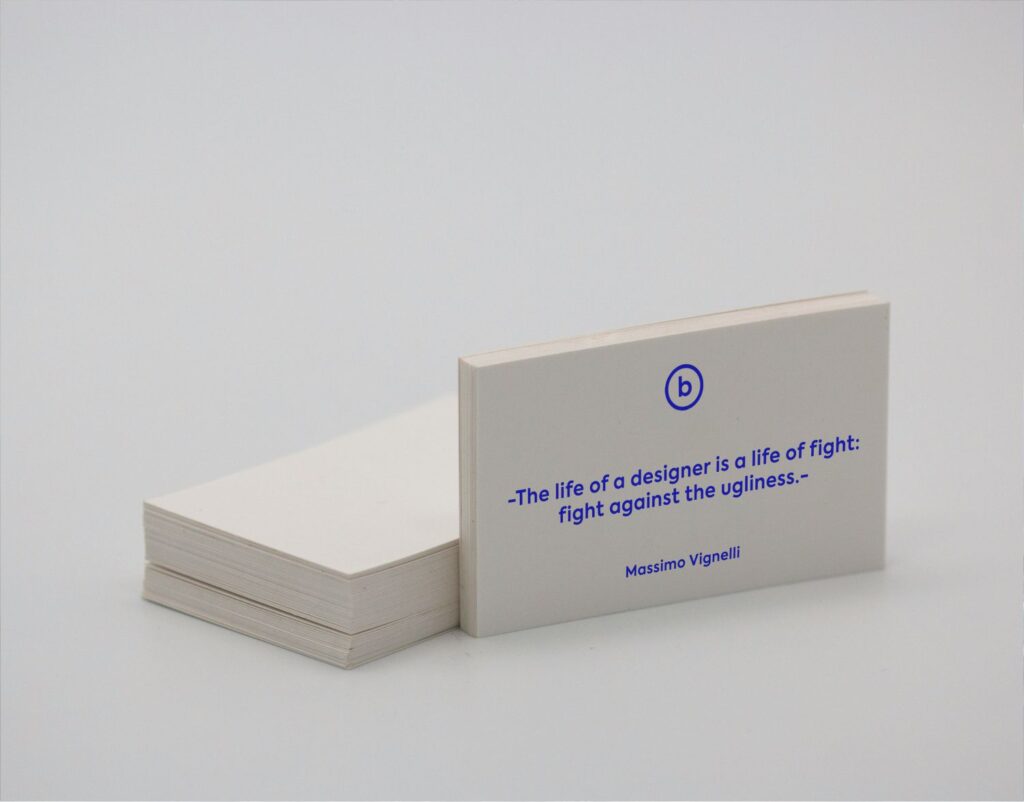
Typography is another crucial aspect. The font style should match the brand identity and remain legible at small sizes. Using too many fonts can make the card look cluttered, so designers usually limit typography to one or two complementary fonts. The goal is to ensure clarity while maintaining a visually appealing design.
Material and finish also impact how a business card is perceived. Standard paper cards are cost-effective, but premium options such as textured paper, matte or glossy finishes, embossing, foil stamping, or even metal and plastic cards can leave a strong impression. Unique shapes, rounded corners, or die-cut designs can further enhance memorability, as long as they remain practical and professional.
Modern business card design often focuses on creativity and innovation. Minimalist layouts, vertical designs, and double-sided cards are increasingly popular. The back side can be used creatively to showcase a logo, tagline, or a brief description of services. QR codes have become especially useful, allowing users to instantly save contact details or visit websites using their smartphones.
In conclusion, business card design is a blend of creativity, strategy, and branding. A well-designed business card not only shares contact information but also communicates professionalism and builds credibility. In a competitive business environment, investing time and thought into business card design can make a lasting impact and help transform simple introductions into meaningful professional relationships.