



Art from waste is a powerful form of creativity that turns discarded and unwanted materials into meaningful works of art. It reflects the idea that waste is not useless, but rather a resource waiting to be reimagined. In a world facing increasing environmental challenges, this art form promotes sustainability, innovation, and responsible consumption while showcasing the limitless potential of human imagination.
Artists who create art from waste use materials such as plastic bottles, metal scraps, paper, cardboard, fabric leftovers, glass, and electronic waste. These items, often thrown away without thought, are transformed into sculptures, paintings, installations, decorative objects, and functional art pieces. The process requires creativity, problem-solving, and a deep understanding of materials, as artists must adapt their designs to the shape, texture, and limitations of waste objects.
One of the most important aspects of art from waste is its environmental impact. By reusing discarded materials, artists help reduce the amount of waste sent to landfills and oceans. Plastic waste, in particular, poses a major threat to ecosystems and wildlife. When artists repurpose plastic into art, they not only reduce pollution but also raise awareness about the dangers of excessive plastic use. Art becomes a visual message that encourages people to rethink their habits and adopt sustainable lifestyles.
Art from waste also plays a strong educational role. It teaches children and adults alike about recycling, reuse, and environmental responsibility in an engaging way. Schools and community programs often use waste art projects to inspire creativity while spreading awareness about environmental protection. Through hands-on experience, people learn that small actions, such as reusing materials, can make a big difference.
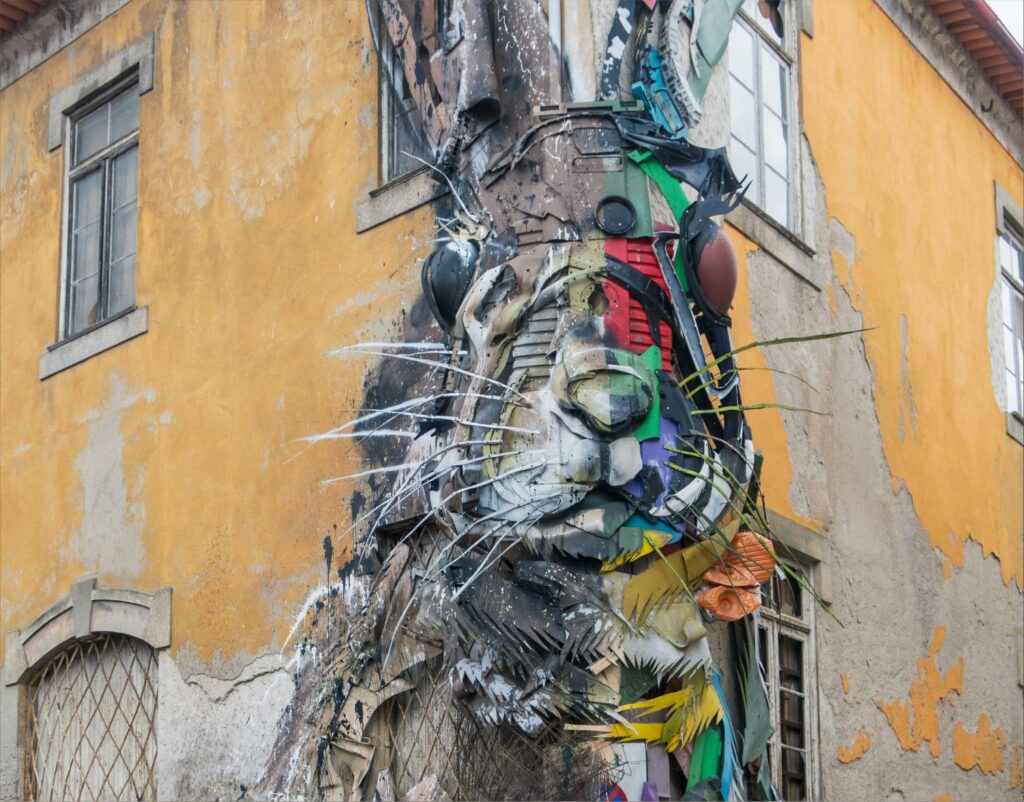
Beyond environmental benefits, this art form has social and economic value. Many artists and community groups use waste art to create employment opportunities, especially in underprivileged areas. By collecting and transforming waste materials, artisans can generate income while contributing to cleaner surroundings. This approach supports both creative expression and social development.
Art from waste challenges traditional ideas of beauty and value. It shows that art does not always require expensive materials; instead, it relies on imagination and vision. A broken bottle or an old newspaper can become a powerful artistic statement when seen through a creative lens. This perspective encourages people to appreciate art in everyday life and recognize the beauty hidden in ordinary objects.
In conclusion, art from waste is more than just an artistic trend—it is a movement toward sustainability, awareness, and innovation. By turning waste into art, artists inspire change, promote environmental responsibility, and prove that creativity can transform even the most overlooked materials. This art form reminds us that with imagination and care, waste can be given a second life, contributing to a cleaner planet and a more thoughtful society.