



3D software has revolutionized the way artists, designers, engineers, and creators bring ideas to life. What once required physical models and lengthy manual processes can now be achieved with precision, detail, and limitless imagination through digital tools. From animation studios and game developers to architects and product designers, 3D software has become an essential part of modern creativity and innovation. These programs allow users to build objects, environments, and characters in three-dimensional space, making them powerful tools for both artistic expression and technical development.
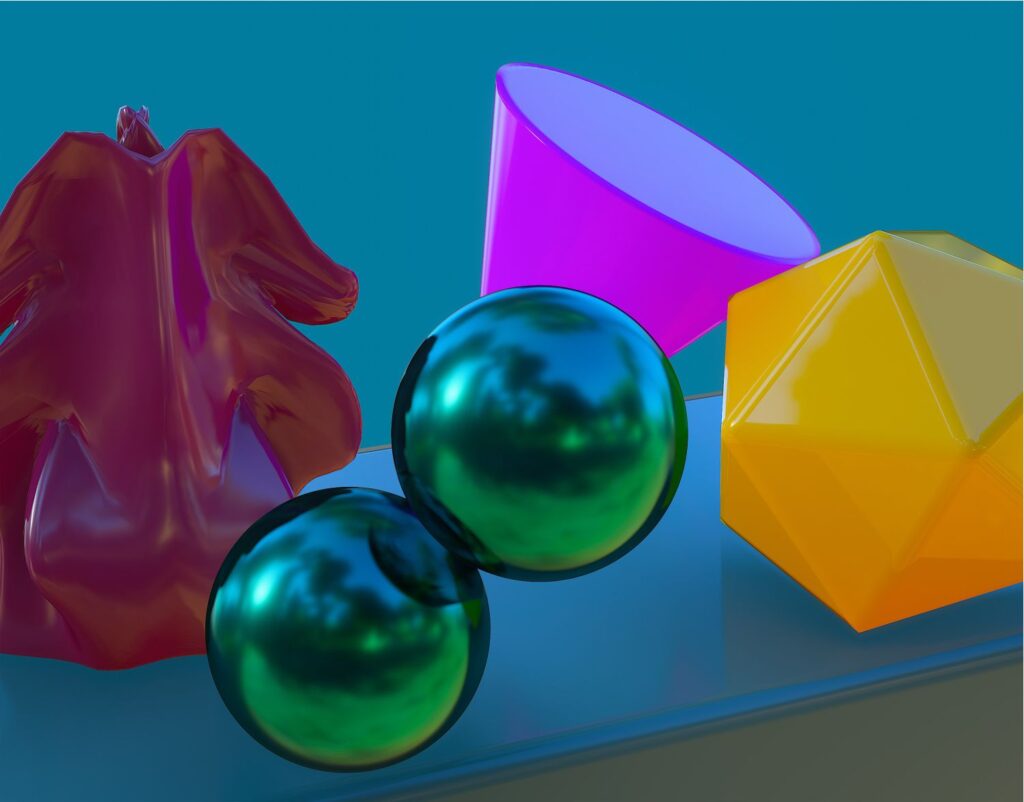
One of the most impressive aspects of 3D software is its ability to simulate real-world details with incredible accuracy. Programs like Blender, Maya, Cinema 4D, and 3ds Max give creators access to tools that allow for modeling, sculpting, texturing, and rendering. Artists can shape digital clay, add materials like metal or fabric, and illuminate scenes with virtual lighting. This detailed process creates lifelike visuals that appear in movies, advertisements, video games, and architectural visualizations. The flexibility of these tools makes it possible to design anything—from futuristic cities to microscopic organisms limited only by the creator’s imagination.
In industries such as filmmaking and gaming, 3D software plays a crucial role. Modern movies rely heavily on CGI (Computer-Generated Imagery) to create characters, environments, and special effects that would be impossible or costly to produce physically. Game developers use 3D tools to design immersive worlds, realistic characters, and dynamic animations that enhance the gaming experience. These industries depend on the power of 3D software not only for creativity but also for storytelling, world-building, and audience engagement.
Beyond entertainment, 3D software has transformed engineering and product design. Tools like SolidWorks, AutoCAD, and Fusion 360 allow engineers to create technical models with exact measurements and functional components. These digital prototypes can be tested for strength, aerodynamics, and mechanical performance before any physical version is made. This saves time, reduces cost, and increases accuracy in fields like automotive design, manufacturing, and aerospace engineering. Even medical professionals use 3D modeling to study organs, plan surgeries, and design prosthetic devices tailored to individual patients.
The rise of 3D printing has further expanded the influence of 3D software. Once an object is modeled digitally, it can be printed into a physical form, making it useful for prototyping, custom manufacturing, and creative crafts. This integration between digital design and physical production has opened new possibilities for small businesses, hobbyists, and large industries.
Learning 3D software has also become more accessible. Free programs like Blender provide powerful tools without licensing costs, while online tutorials and courses help beginners master complex techniques. Students, hobbyists, and professionals can develop skills at their own pace, contributing to a growing community of digital creators.
In essence, 3D software is reshaping how the world designs, creates, and visualizes ideas. It bridges the gap between imagination and reality, offering endless opportunities for innovation. As technology continues to evolve, 3D tools will only become more advanced, empowering creators to explore new dimensions of creativity and transform their visions into stunning digital masterpieces.