




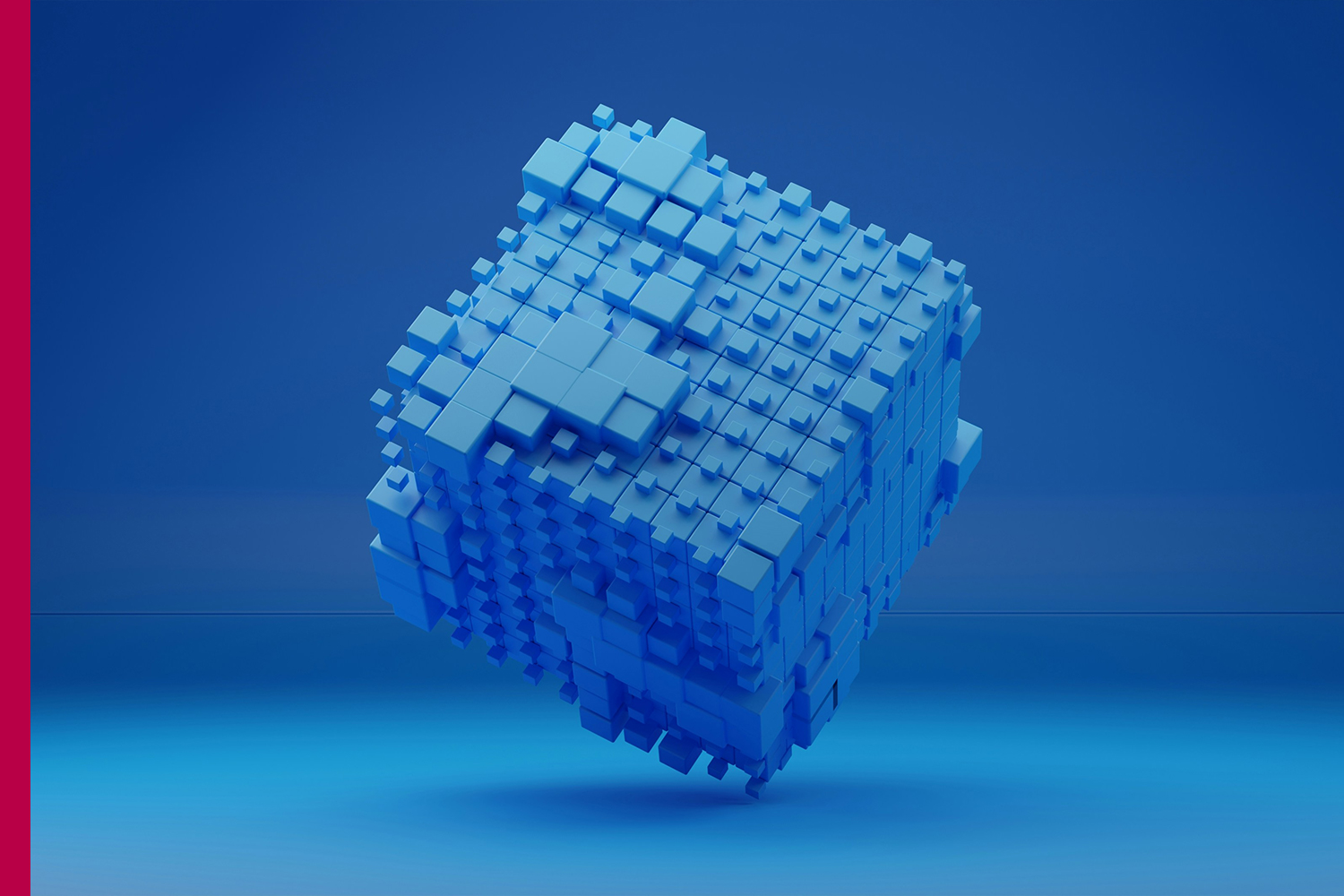
In the age of digital innovation, 3D artists have emerged as some of the most influential creators in the entertainment, design, and technology industries. From video games and animated films to virtual reality experiences and architectural visualizations, 3D artists bring imagination to life by transforming abstract concepts into visually stunning, three-dimensional creations. Their work blends technical skill, artistic sensibility, and storytelling prowess, making them indispensable in today’s digital landscape.
At its core, a 3D artist’s role involves creating models, textures, animations, and visual effects that appear realistic or stylistically compelling. Using specialized software such as Blender, Maya, ZBrush, 3ds Max, and Cinema 4D, they design everything from lifelike characters and intricate environments to fantastical creatures and conceptual products. Unlike traditional artists who work with physical mediums, 3D artists operate in a virtual space, manipulating polygons, textures, lighting, and motion to craft visually immersive experiences.
One of the key areas where 3D artists have made a significant impact is the entertainment industry. Animated films, visual effects in Hollywood blockbusters, and AAA video games rely heavily on the expertise of 3D artists to achieve realism and emotional resonance. By combining modeling, rigging, and animation, they breathe life into characters and settings, creating worlds that captivate audiences. For example, the stunning landscapes and intricate character designs in modern animated movies wouldn’t exist without the meticulous work of skilled 3D artists.
Beyond entertainment, 3D artistry has become critical in industries like architecture, product design, and virtual reality. Architects and interior designers use 3D visualizations to showcase concepts before construction begins, allowing clients to experience spaces virtually. Product designers employ 3D modeling to prototype items, test aesthetics, and streamline manufacturing processes. Similarly, VR and AR developers rely on 3D artists to build interactive, immersive environments that revolutionize learning, training, and entertainment.
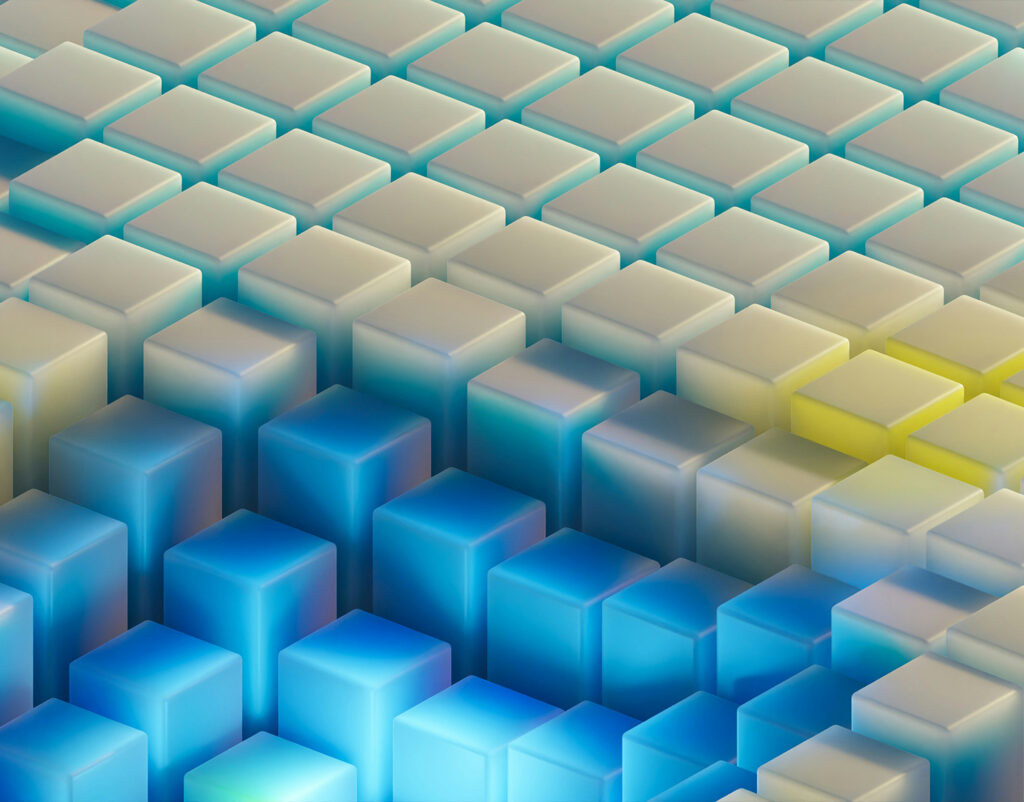
The evolution of technology has transformed the role of a 3D artist from a purely creative one to a hybrid of artistry and technical proficiency. Skills in texturing, lighting, rendering, and animation pipelines are complemented by an understanding of programming, physics simulations, and even artificial intelligence in some cases. This combination allows 3D artists to push the boundaries of visual storytelling and innovation.
Moreover, the rise of digital platforms and online communities has empowered 3D artists to showcase their work, collaborate globally, and learn from peers. Platforms like ArtStation, Behance, and Instagram have become virtual galleries, helping artists gain recognition, freelance opportunities, and inspiration. As a result, aspiring 3D artists now have access to tools, tutorials, and networks that accelerate their growth in this competitive field.
In conclusion, 3D artists are the architects of the digital age, merging creativity and technology to create immersive, memorable experiences. Their work influences entertainment, design, education, and beyond, demonstrating the power of visual storytelling in the modern era. With continuous advancements in software, rendering engines, and virtual reality, the demand for skilled 3D artists will only grow, making it one of the most exciting and dynamic careers in today’s creative industry.