




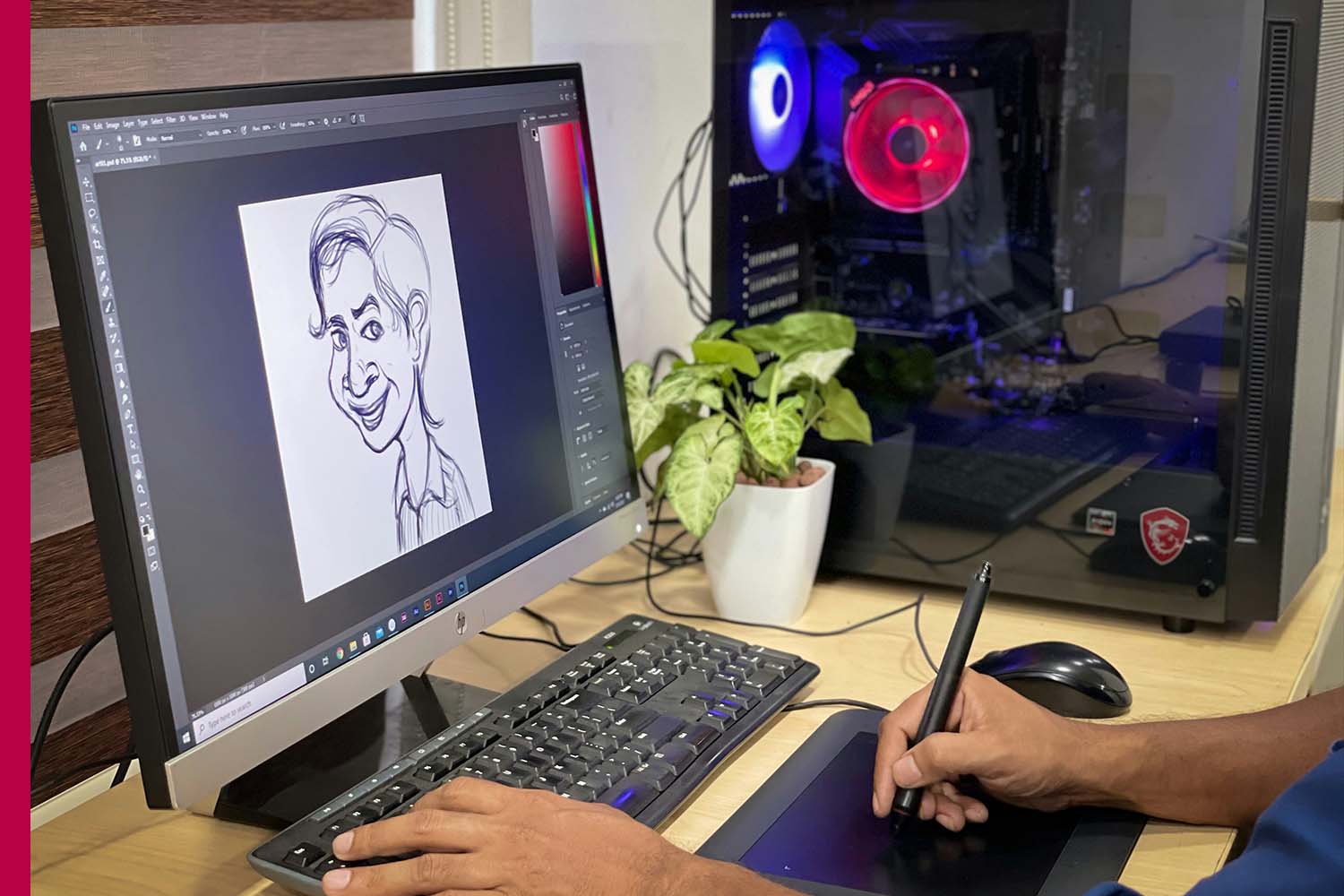
2D animation is one of the most classic and beloved forms of visual storytelling. From the early days of hand-drawn cartoons to the modern era of digital animation, 2D animation continues to captivate audiences with its creativity, simplicity, and emotional depth. Despite the rise of 3D and computer-generated imagery (CGI), 2D animation remains a powerful medium that blends art, imagination, and technology to bring characters and stories to life.
At its core, 2D animation is the process of creating movement in a two-dimensional space. It involves drawing or designing characters, backgrounds, and objects in a flat environment, then sequencing them frame by frame to create the illusion of motion. This method has been used for over a century in films, television shows, advertisements, and educational content. Early pioneers like Walt Disney and Max Fleischer laid the foundation for this art form, creating timeless classics such as Mickey Mouse, Snow White and the Seven Dwarfs, and Betty Boop, which continue to inspire generations.
The charm of 2D animation lies in its artistic expression and emotional connection. Unlike 3D models, which rely on realism and depth, 2D animation allows artists to exaggerate expressions, movements, and colors to enhance storytelling. Every frame reflects the animator’s artistic touch, making it feel personal and hand-crafted. This unique quality helps audiences form deeper emotional bonds with characters, whether it’s the humor of classic Looney Tunes or the heartfelt storytelling of Studio Ghibli films like My Neighbor Totoro and Spirited Away.

With the advancement of technology, 2D animation has evolved significantly. Traditional hand-drawn methods have merged with digital tools, allowing animators to work faster and with greater precision. Software such as Adobe Animate, Toon Boom Harmony, and TVPaint enables artists to create fluid animations, add effects, and manage layers efficiently. Digital techniques have also opened new creative possibilities, blending 2D and 3D elements to produce visually stunning content. Despite these innovations, the core principles of animation—timing, spacing, exaggeration, and appeal—remain the same.
Beyond entertainment, 2D animation plays a vital role in education, advertising, and business communication. Animated explainer videos simplify complex concepts, making them easier for audiences to understand. Educational institutions use 2D animations to make learning more interactive and engaging. In marketing, animated content grabs attention quickly and communicates brand messages in a fun and memorable way. The versatility of 2D animation makes it an invaluable tool across industries.
The future of 2D animation is bright and evolving. The growing demand for digital content on social media platforms, streaming services, and online education has reignited interest in this art form. Independent creators and studios are experimenting with new styles, from minimalist animations to hybrid storytelling formats. The accessibility of digital tools also empowers young artists to learn, create, and share their work globally.
In conclusion, 2D animation is far more than just drawings in motion—it is an art form that continues to inspire creativity, imagination, and emotion. Its simplicity and flexibility make it timeless, bridging the gap between traditional artistry and modern technology. Whether it’s a heartfelt film, an engaging commercial, or an educational short, 2D animation remains a powerful medium for storytelling that touches hearts and sparks imagination across generations.