







In today’s fast-paced world, easy mobility has become more than a convenience—it is a necessity. As cities grow, technologies evolve, and lifestyles become increasingly dynamic, people require faster, smoother, and more efficient ways to move from one place to another. Easy mobility refers to the seamless, user-friendly transportation options that help individuals travel quickly, safely, and comfortably, whether within a city or across long distances. From public transit systems to smart mobility tools, the idea is to make movement effortless and accessible for everyone.
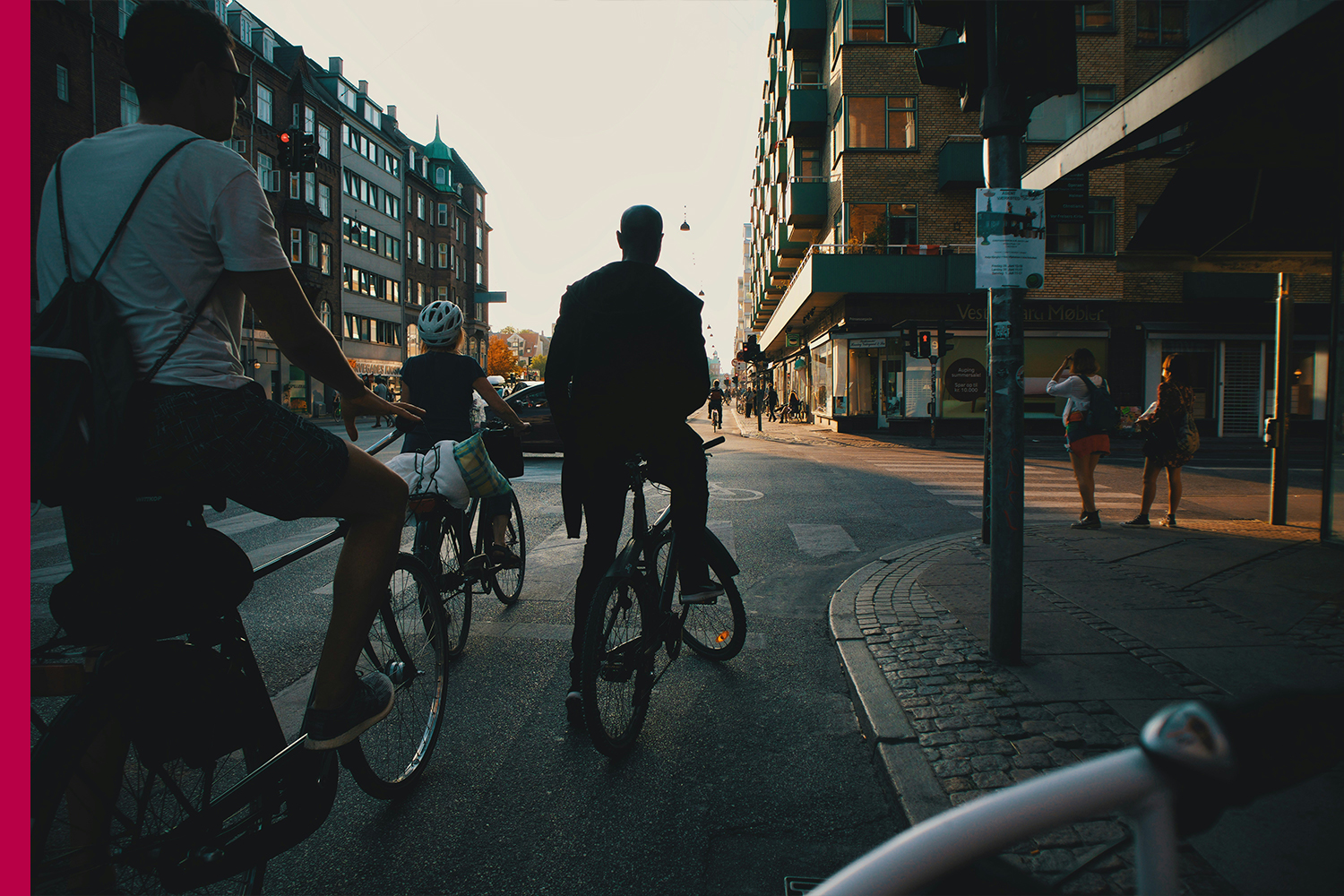
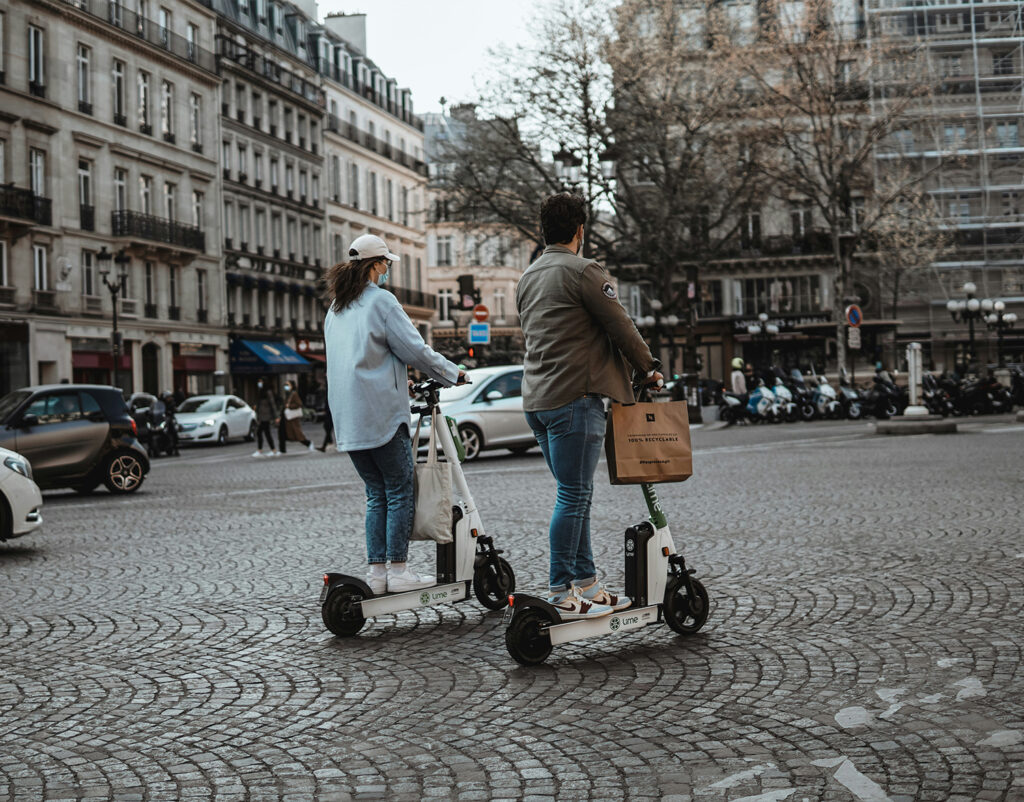
One of the key drivers of easy mobility is the rise of smart and sustainable urban transport. Modern cities are adopting electric buses, metro rail systems, and well-designed cycling paths to reduce traffic congestion and pollution. These systems enable residents to commute with ease while supporting eco-friendly practices. Shared mobility solutions like e-scooters, bicycles, and ride-sharing platforms have also gained popularity, offering flexible options for short-distance travel. These alternatives not only reduce the burden on roads but also promote healthier lifestyles.
Technology plays a major role in shaping easy mobility. Mobile applications, GPS navigation, real-time traffic updates, and digital payment systems have transformed the way people travel. Apps that track bus timings, book cabs, or provide live traffic routes help reduce delays and make planning more efficient. Smart mobility hubs—integrating trains, buses, taxis, and cycling stations in one place—are becoming common in modern cities. These hubs ensure that travelers can switch between different modes of transport quickly and smoothly.
Another important dimension of easy mobility is accessibility. For a system to be truly effective, it must cater to people of all ages and abilities. This includes wheelchair-friendly public transport, ramps, tactile pathways, and audio announcements for visually impaired passengers. Creating inclusive mobility solutions ensures that everyone can move freely and independently, improving overall quality of life.
The concept of easy mobility is also closely linked to economic growth. Efficient transportation systems boost productivity by reducing travel time and making it easier for people to reach workplaces, schools, and markets. Businesses thrive when goods can be transported quickly and reliably, and cities become more attractive to investors when their mobility infrastructure is strong. The logistics and delivery sectors also benefit from improved mobility, as faster movement means better service and increased customer satisfaction.
Looking ahead, innovations such as autonomous vehicles, high-speed trains, hyperloop technology, and AI-driven traffic management systems promise to make mobility even more convenient. These advancements aim to minimize human error, enhance safety, and reduce energy consumption. Electric vehicles (EVs) and charging networks are becoming widespread, contributing to cleaner and greener transportation.
However, achieving true easy mobility requires thoughtful planning and responsible usage. Cities must invest in strong infrastructure, maintain road quality, and encourage public participation in sustainable practices. Individuals, too, can contribute by choosing public transport, carpooling, and adopting eco-friendly commuting options.
In conclusion, easy mobility is a cornerstone of modern living, enabling people to stay connected, productive, and independent. By combining technology, sustainability, and smart design, we can create transportation systems that make everyday movement effortless while building a healthier and more efficient future for all.