







The tourism industry is undergoing a digital revolution, driven by the integration of advanced technologies that enhance traveler experiences and improve operational efficiency. Known as Smart Tourism, this approach leverages data, connectivity, and automation to create seamless and personalized journeys for tourists. As global travel continues to grow, smart tourism technologies are playing a crucial role in shaping the future of the industry.
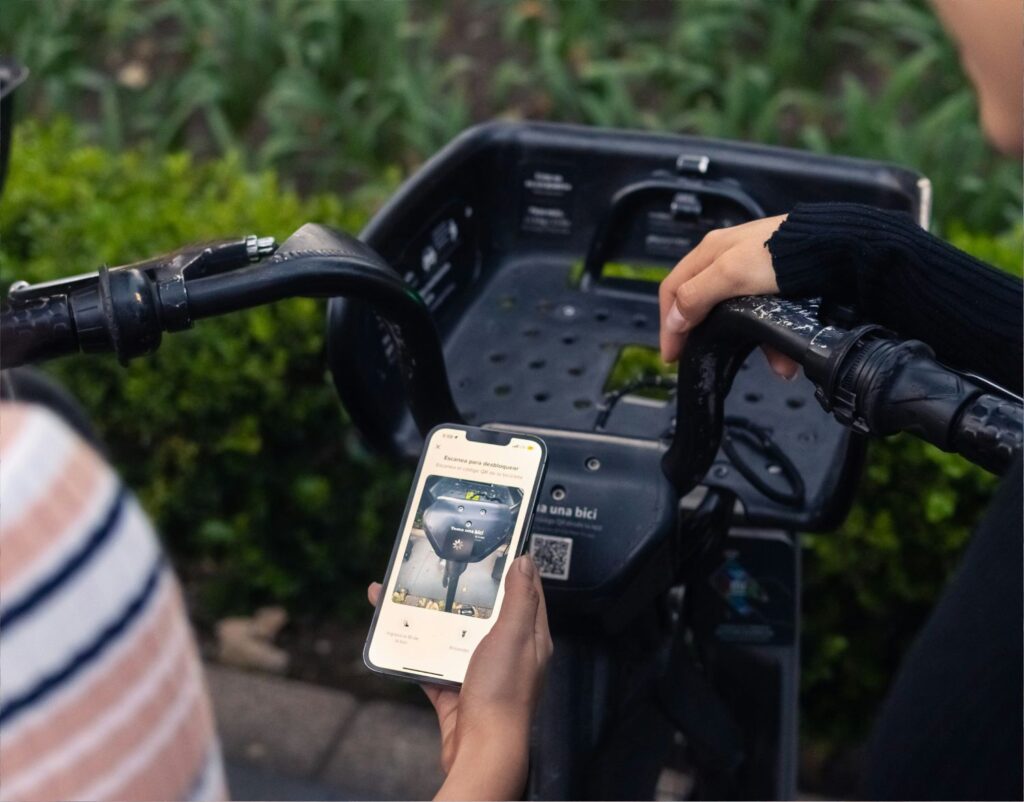
One of the key components of smart tourism is the use of mobile applications. Travel apps provide real-time information about destinations, accommodations, transportation, and local attractions. Popular platforms like Google Maps help travelers navigate unfamiliar locations with ease, offering directions, traffic updates, and nearby points of interest. These tools make travel more convenient and reduce the stress associated with exploring new places.
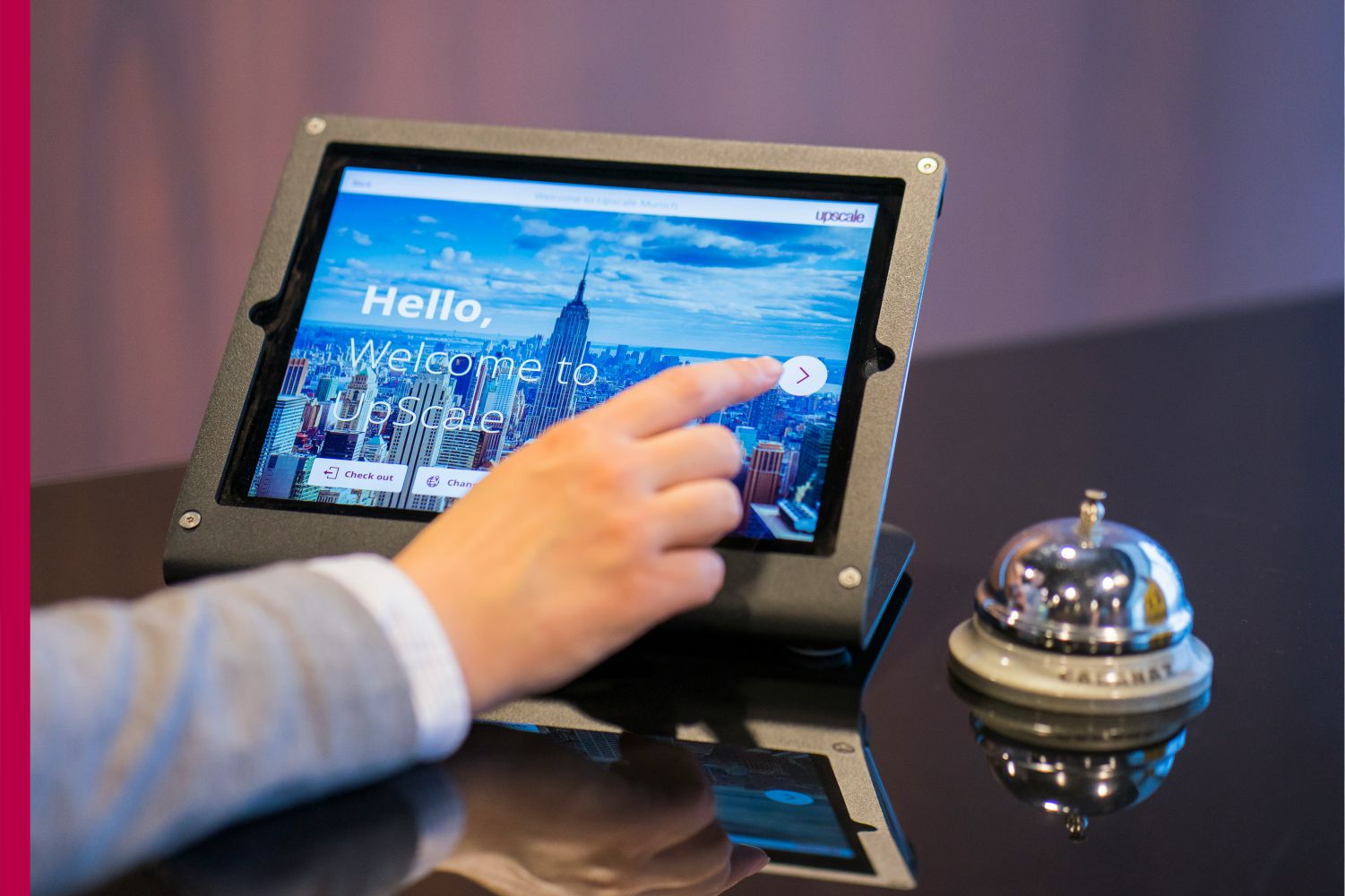
Another major advancement in smart tourism is the use of the Internet of Things (IoT). IoT devices are used in smart hotels, airports, and tourist attractions to enhance comfort and efficiency. For example, hotel rooms equipped with smart sensors can automatically adjust lighting, temperature, and security settings based on guest preferences. Airports use IoT to streamline check-in processes, manage luggage tracking, and improve passenger flow.
Artificial intelligence is also transforming the tourism experience. AI-powered chatbots and virtual assistants provide instant support to travelers, answering queries and offering recommendations. These systems can suggest personalized travel itineraries based on user preferences, past behavior, and real-time data. AI also helps tourism businesses analyze customer feedback and improve service quality.
Augmented reality (AR) and virtual reality (VR) are adding a new dimension to travel experiences. AR applications allow tourists to explore historical sites by overlaying digital information onto real-world environments. VR, on the other hand, enables users to experience destinations virtually before visiting them. These technologies enhance engagement and help travelers make informed decisions about their trips.
Smart payment systems are another important aspect of modern tourism. Digital payment platforms and contactless transactions make it easier for travelers to pay for services without carrying cash. Secure and convenient payment options improve the overall travel experience and support the growth of global tourism.
Data analytics plays a vital role in smart tourism management. By analyzing large volumes of data, tourism organizations can understand traveler behavior, predict trends, and optimize services. This information helps businesses tailor their offerings to meet customer expectations and improve operational efficiency. Data-driven insights also support destination management by helping authorities plan infrastructure and manage tourist flow.
Sustainability is a key focus of smart tourism technologies. Digital tools help reduce paper usage, optimize resource consumption, and promote eco-friendly practices. Smart transportation systems, energy-efficient hotels, and digital ticketing contribute to more sustainable travel experiences. These initiatives align with global efforts to reduce the environmental impact of tourism.
Despite its many benefits, smart tourism also faces challenges. Data privacy and cybersecurity concerns must be addressed to protect traveler information. Additionally, the digital divide can limit access to smart tourism technologies in certain regions. Ensuring that technology remains accessible and user-friendly is essential for widespread adoption.
In conclusion, smart tourism technology is revolutionizing the travel industry by enhancing convenience, personalization, and efficiency. Through the integration of mobile apps, AI, IoT, and immersive technologies, travelers can enjoy seamless and memorable experiences. As innovation continues to evolve, smart tourism will play a vital role in shaping the future of global travel, making it smarter, more sustainable, and more connected.