
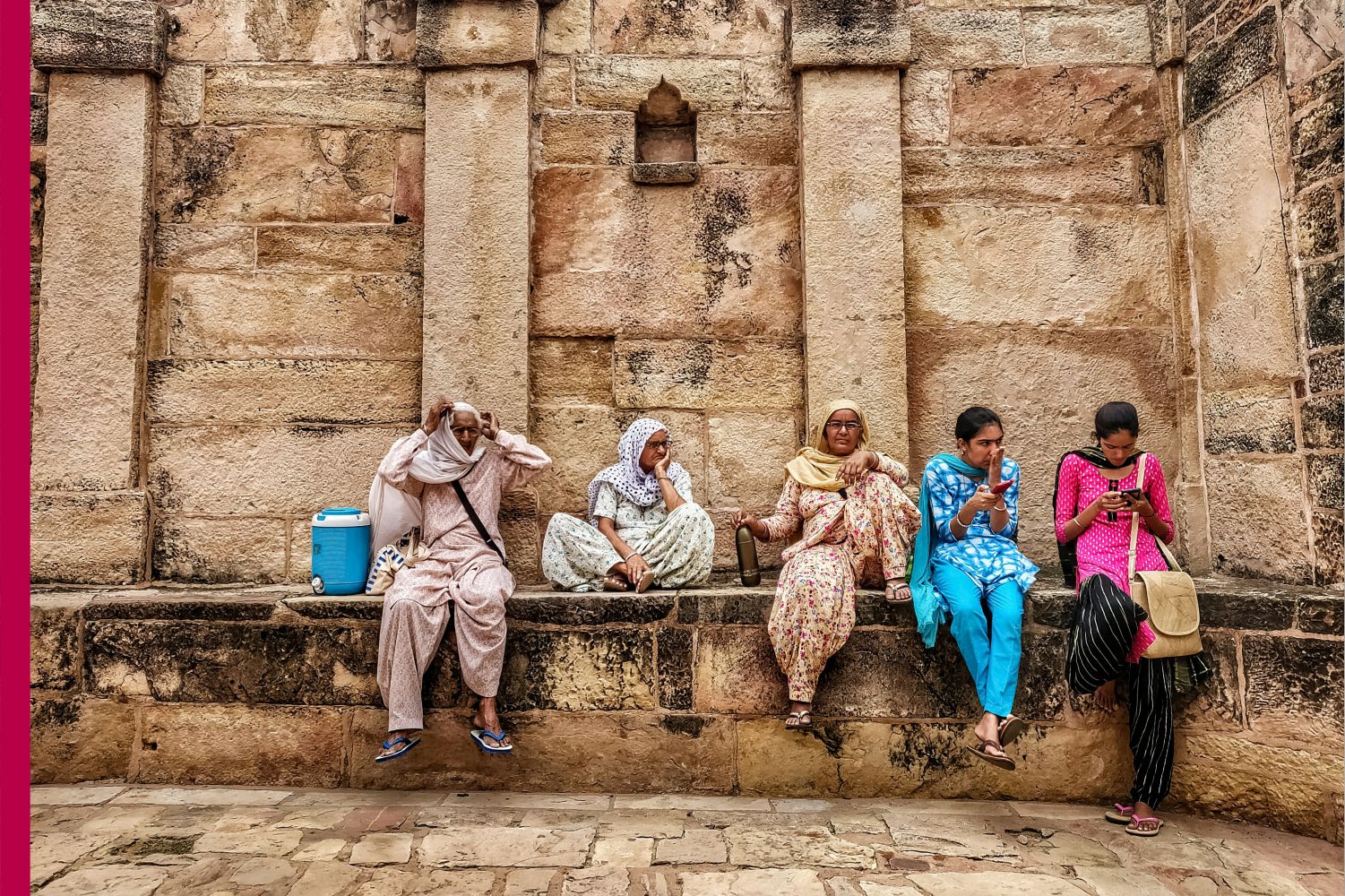



Cultural tourism has become one of the fastest-growing segments of the global travel industry. Travelers today seek more than just sightseeing they want meaningful experiences that connect them to history, traditions, art, and local lifestyles. Cultural tourism focuses on exploring the heritage, customs, architecture, cuisine, festivals, and creative expressions of a destination. Beyond enriching travelers’ experiences, cultural tourism offers significant economic, social, and preservation benefits to host communities.
One of the most notable advantages of cultural tourism is economic development. When tourists visit historical landmarks, museums, art galleries, and heritage sites, they contribute directly to local economies. Spending on accommodation, food, transportation, handicrafts, and guided tours generates employment opportunities and supports small businesses. Iconic destinations such as the Taj Mahal attract millions of visitors annually, creating revenue streams that benefit artisans, tour operators, and hospitality providers.
Cultural tourism also promotes heritage preservation. Increased interest in cultural sites often leads to investments in restoration and conservation projects. Governments and organizations allocate funds to maintain monuments, protect archaeological sites, and document traditional practices. Institutions like the UNESCO play a crucial role in identifying and safeguarding World Heritage Sites, ensuring that cultural treasures are preserved for future generations.
Another important benefit is community empowerment and pride. Cultural tourism encourages communities to celebrate and showcase their traditions, languages, crafts, and performing arts. Festivals, folk music performances, and traditional craft exhibitions provide platforms for cultural expression while generating income. This renewed appreciation strengthens local identity and fosters intergenerational knowledge transfer, ensuring that cultural practices remain vibrant.

Cultural tourism also enhances cross-cultural understanding. When travelers engage with local communities, participate in workshops, or learn about historical narratives, they gain deeper insights into diverse ways of life. This exchange of ideas promotes tolerance, respect, and global awareness. Destinations like Jaipur, known for their rich architectural heritage and traditional crafts, offer immersive experiences that connect visitors to centuries-old traditions.
Furthermore, cultural tourism supports sustainable development when managed responsibly. Unlike mass tourism, which can strain natural resources, cultural tourism often emphasizes preservation and authenticity. Sustainable tourism strategies encourage responsible visitor behavior, limit overcrowding, and ensure that economic benefits are distributed equitably among local residents. Eco-friendly accommodations and heritage-based community tourism initiatives help balance tourism growth with environmental protection.
However, cultural tourism must be carefully managed to avoid challenges such as over-commercialization, cultural dilution, and overcrowding. Excessive tourism can strain infrastructure and alter traditional lifestyles. Therefore, collaboration between governments, tourism boards, local communities, and conservation organizations is essential to maintain authenticity and sustainability.
In conclusion, cultural tourism offers far reaching benefits that extend beyond economic gains. By supporting heritage preservation, empowering communities, fostering cultural exchange, and promoting sustainable development, it creates meaningful value for both travelers and host destinations. As global interest in authentic travel experiences continues to rise, cultural tourism stands as a powerful bridge connecting history, tradition, and modern economic growth ensuring that cultural treasures remain alive and appreciated for generations to come.