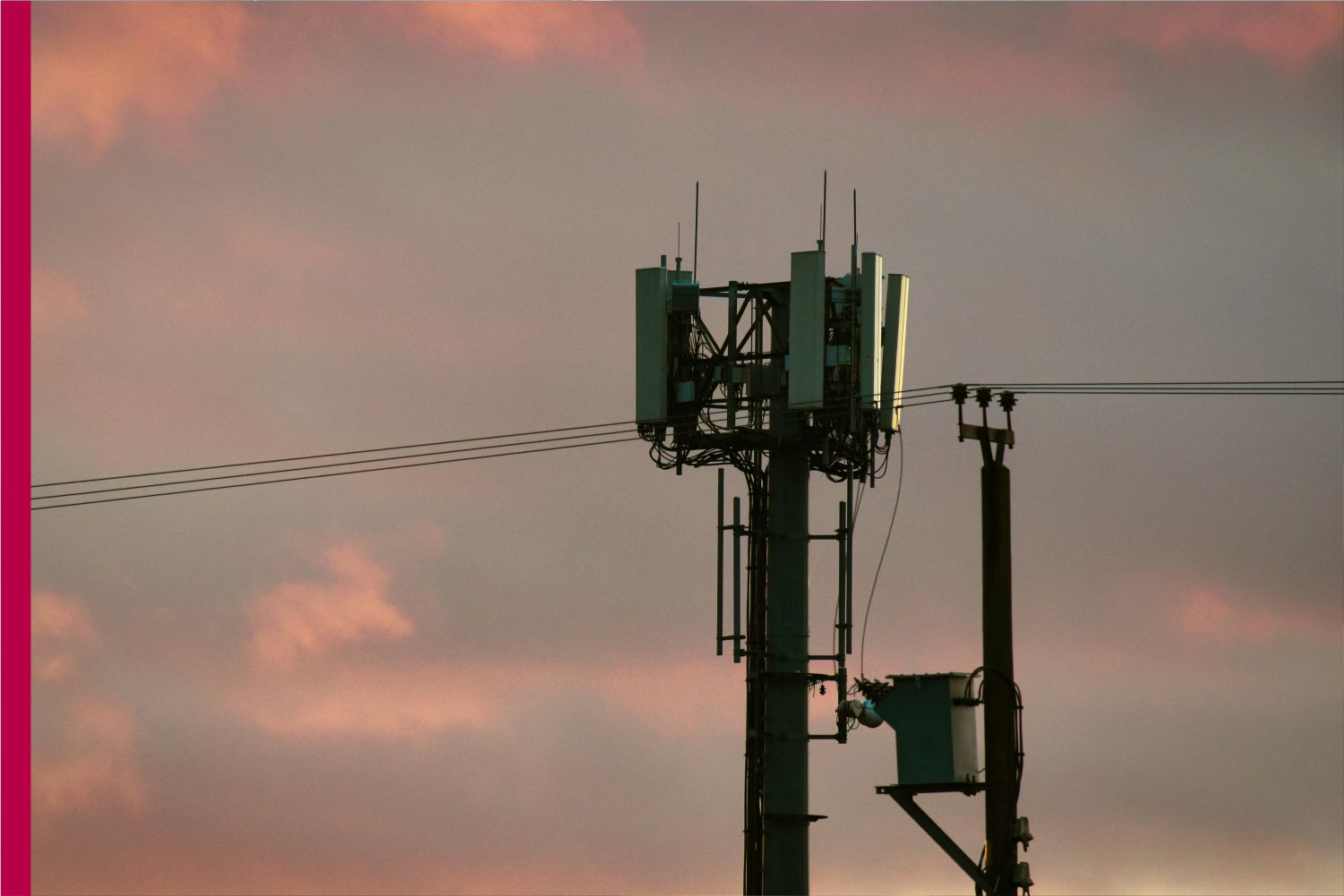




The telecommunications industry is evolving rapidly as technology continues to reshape how people communicate, work, and access information. From mobile networks to high-speed internet services, telecom providers play a vital role in supporting modern digital lifestyles. The future of telecom services will be driven by innovation, faster connectivity, and advanced technologies that enable seamless communication across the world.
One of the most significant developments shaping the telecom industry is the expansion of 5G. This next-generation wireless technology offers significantly faster data speeds, lower latency, and the ability to connect a large number of devices simultaneously. 5G networks are expected to revolutionize industries such as healthcare, transportation, manufacturing, and entertainment by enabling real-time communication and advanced digital services.
The rise of the Internet of Things (IoT) is another major trend influencing the future of telecom. IoT technology allows everyday devices such as home appliances, vehicles, and industrial machines to connect and communicate through the internet. Telecom companies are building the infrastructure needed to support billions of connected devices, enabling smarter cities, efficient energy systems, and advanced automation in various industries.
Cloud-based communication services are also transforming the telecom landscape. Businesses increasingly rely on digital communication platforms to collaborate with remote teams and manage global operations. Services such as Microsoft Teams and Zoom have become essential tools for virtual meetings and remote collaboration. Telecom providers are integrating these services with high-speed networks to deliver reliable and secure communication solutions.
Another important development is the expansion of fiber-optic networks. Fiber technology allows telecom companies to deliver ultra-fast broadband internet with greater reliability and stability compared to traditional copper networks. As more households and businesses depend on high-speed connectivity for streaming, online education, and digital services, fiber infrastructure will continue to expand globally.
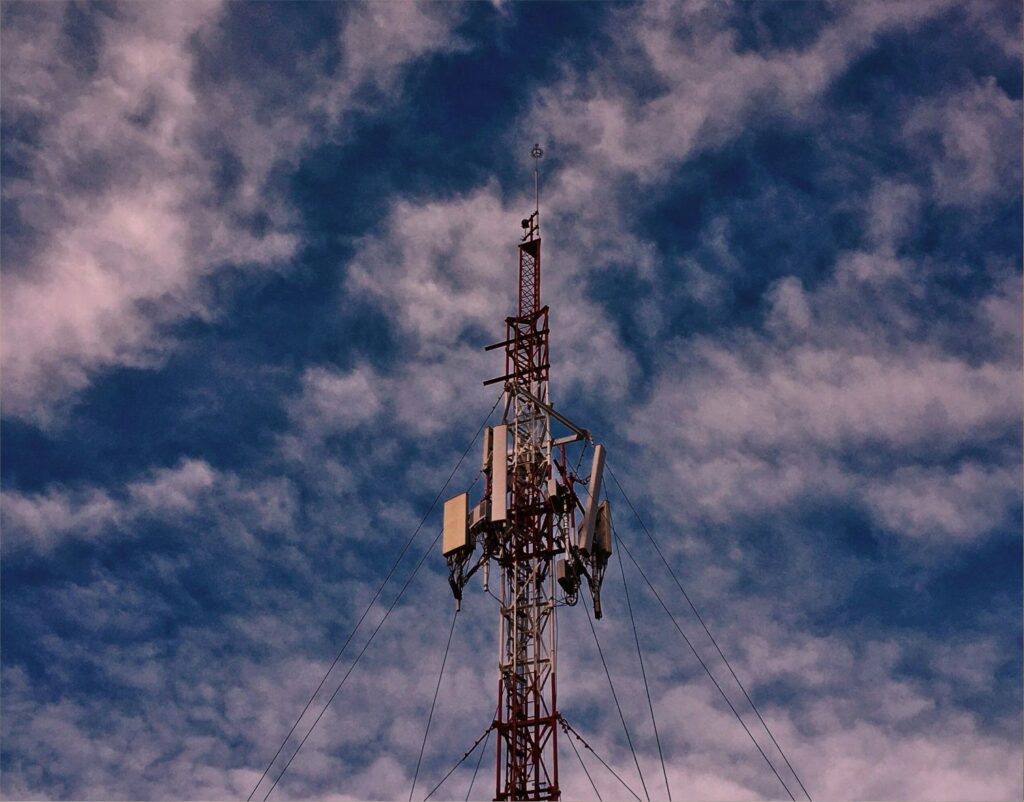
Artificial intelligence is also playing a growing role in telecom services. AI-powered systems can analyze network data to predict potential issues, optimize traffic flow, and improve service quality. Customer support is also becoming more efficient with AI chatbots and automated assistance systems that help resolve user queries quickly.
Security and data protection will remain a key priority as telecom services expand. With increasing digital communication and connected devices, the risk of cyber threats also rises. Telecom companies must invest in advanced cybersecurity technologies to safeguard networks and protect user data. Ensuring secure communication channels will be essential for maintaining trust in digital services.
The future of telecom services will also focus on bridging the digital divide. Many rural and underserved regions still lack reliable internet connectivity. Governments and telecom providers are working together to expand network infrastructure and make digital communication accessible to more people. Improved connectivity can support education, healthcare, and economic development in remote areas.
In conclusion, the future of telecom services will be defined by faster networks, smarter technologies, and broader connectivity. Innovations such as 5G, IoT, cloud communication, and artificial intelligence are transforming how people and businesses interact with the digital world. As telecom infrastructure continues to evolve, it will play an even greater role in supporting global communication, economic growth, and technological progress.