



In the past decade, technology has woven itself seamlessly into our daily lives, and one of the most impactful innovations has been wearable technology. Among its many applications, fitness trackers and health-focused wearable’s have become increasingly popular, offering individuals the ability to monitor, measure, and improve their health in real time. What was once limited to professional athletes is now accessible to anyone striving for a healthier lifestyle.
What is Wearable Technology?
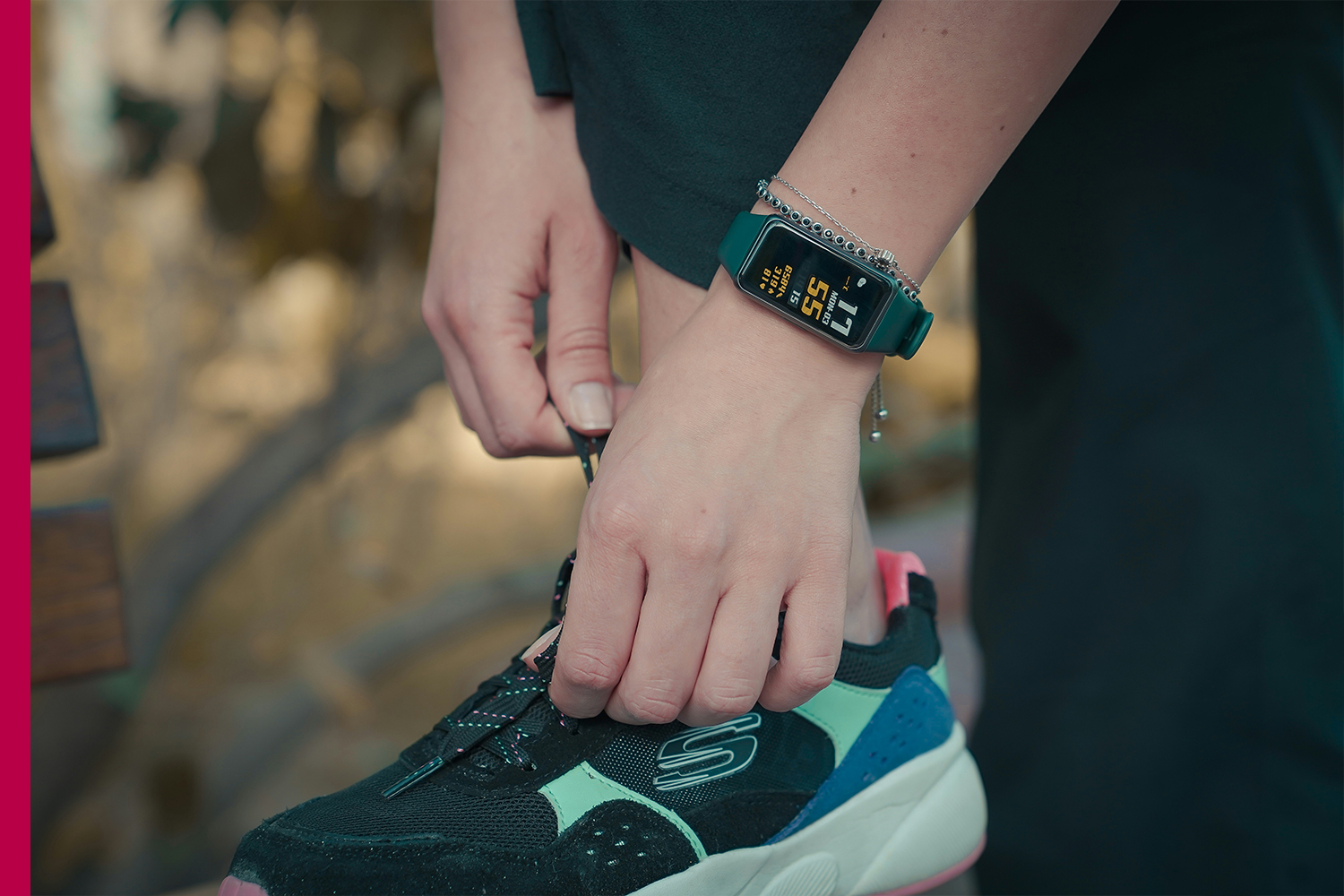
Wearable technology refers to electronic devices designed to be worn on the body, often equipped with sensors that track and transmit data. Fitness trackers, smart watches, and even smart clothing fall into this category. These devices gather insights on physical activity, sleep, heart rate, and other vital metrics, giving users a better understanding of their overall well-being.
Popular Features of Fitness Trackers
Activity Tracking
Step counters were the first big breakthrough in wearables, but modern trackers go far beyond. They monitor daily movement, calories burned, and distance travelled, encouraging users to stay active.
Heart Rate Monitoring
many devices offer continuous heart rate monitoring, helping individuals track workouts, manage stress, and identify irregularities. Some advanced models even include ECG capabilities.
Sleep Analysis
Sleep quality is just as important as exercise, and wearable’s provide detailed insights into sleep stages, patterns, and duration, empowering users to improve rest and recovery.
Workout Guidance
Fitness trackers can log multiple forms of exercise—from running and cycling to yoga and swimming. Paired with AI-driven apps, they offer personalized coaching and performance analysis.
Health monitoring
beyond fitness, some wearable’s track oxygen saturation (SpO₂), blood pressure, and stress levels. This data can help detect early signs of health issues and promote preventive care.
Benefits of Wearable Fitness Technology
Motivation and Accountability: Real-time data and progress tracking motivate users to stick to their goals. Gamification features like badges, reminders, and challenges add an extra push.
Personalized Insights: Wearable’s adapt to individual needs, recommending tailored exercise plans and wellness tips.
Convenience: With all metrics in one place, users no longer need multiple devices or manual logs.
Preventive Healthcare: Continuous health monitoring can alert individuals to potential problems early, encouraging timely medical consultation.
Integration with Lifestyle: Many wearable’s sync with smartphones, allowing users to manage notifications, music, and calls while working out.
Challenges and Considerations
Despite their advantages, wearable fitness devices are not without challenges:
Accuracy: While useful, data from wearables may not always be 100% accurate. Factors like skin tone, fit, or motion can affect readings.
Privacy Concerns: Wearable’s collect sensitive health data, raising questions about data security and how companies use this information.
Battery Life: Frequent charging remains a drawback for many users, especially for devices with advanced features.
Cost: High-end wearable’s can be expensive, although more affordable options are entering the market.
The Future of Wearable Technology
The next wave of wearable’s will likely go beyond tracking to predicting and preventing health issues. Devices are being developed to monitor blood glucose non-invasively, detect early signs of heart disease, and even provide real-time hydration tracking. Integration with artificial intelligence will enable deeper insights, making wearable’s more like personal health companions than simple trackers. We may also see greater adoption of smart clothing garments embedded with sensors to track posture, movement, and muscle activity. Combined with AR and VR, wearable technology could even revolutionize at-home fitness experiences, offering immersive training and real-time coaching.
Final Thoughts
Wearable technology and fitness trackers are more than just trendy gadgets they are reshaping how people take control of their health and wellness. By turning personal data into actionable insights, these devices empower users to stay active, sleep better, and monitor their well-being. While concerns around accuracy and privacy remain, the potential of wearable’s in preventive healthcare and fitness is immense. The future of wellness is not only in our hands it’s on our wrists.