





CorelDRAW is one of the most influential graphic design software programs in the creative industry. Since its introduction, it has played a key role in shaping digital illustration, layout design, and vector graphics. Over the decades, CorelDRAW has evolved from a basic drawing tool into a powerful, all-in-one design suite used by professionals, businesses, and creatives around the world.
CorelDRAW was first released in 1989 by Corel Corporation, a Canadian software company. At a time when digital design tools were still emerging, CorelDRAW stood out for its user-friendly interface and powerful vector-based drawing capabilities. Early versions allowed designers to create logos, illustrations, and layouts with precision, making it popular among print designers and small businesses. Its ability to run on Windows systems also gave it a strong advantage during the rapid growth of personal computers.
As technology advanced, CorelDRAW continued to expand its feature set. In the 1990s, the software introduced tools such as advanced text handling, color management, and support for multiple file formats. These improvements made it easier for designers to prepare artwork for professional printing. The inclusion of Corel PHOTO-PAINT added raster image editing to the suite, allowing users to manage both vector and bitmap graphics within the same ecosystem.
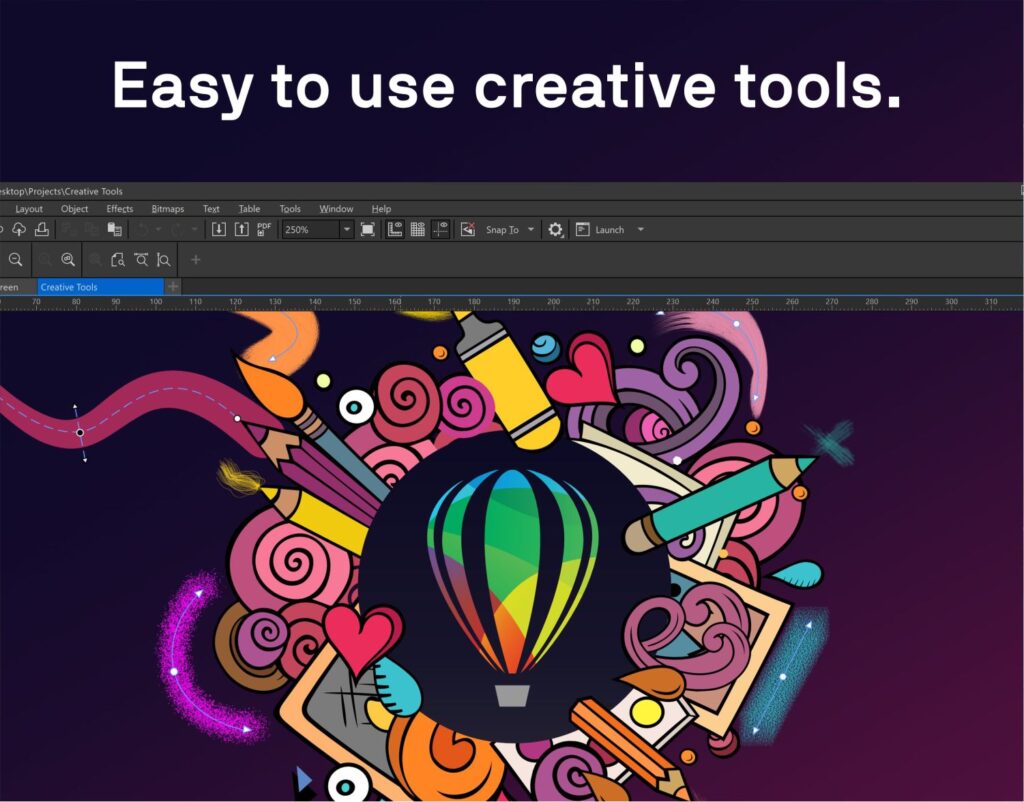
The early 2000s marked a significant shift in CorelDRAW’s evolution. With the rise of digital publishing and the internet, CorelDRAW adapted by enhancing layout tools, improving typography options, and supporting web-friendly graphics. Features like transparency effects, shadows, and gradients became more refined, enabling designers to create visually rich and modern designs. The software also began focusing on workflow efficiency, offering customization options and improved performance.
In recent years, CorelDRAW has embraced modern design trends and technologies. The introduction of non-destructive editing, live effects, and enhanced object management has made the design process more flexible and creative. Support for high-resolution displays, advanced color profiles, and industry-standard file compatibility has strengthened its role in professional environments. Cloud integration and collaboration features have also been added, reflecting the growing need for remote work and team-based projects.
One of the most notable aspects of CorelDRAW’s evolution is its adaptability across industries. From branding and advertising to signage, packaging, and apparel design, CorelDRAW has remained relevant by catering to diverse creative needs. Its balance between simplicity and advanced functionality continues to attract both beginners and experienced designers.
In conclusion, the evolution of CorelDRAW reflects the broader transformation of the graphic design industry. From its early beginnings as a pioneering vector graphics tool to its current status as a comprehensive design suite, CorelDRAW has consistently adapted to changing technologies and creative demands. Its ongoing development ensures that it remains a trusted and versatile solution for designers seeking precision, creativity, and efficiency in their work.