



An Operating System (OS) is the most fundamental software in any computing device. Whether it’s a smartphone, laptop, tablet, or server, the operating system acts as the bridge between hardware and users, ensuring that all components work together smoothly. Without an operating system, even the most advanced hardware would be unusable.
At its core, an operating system manages a device’s hardware resources. This includes the central processing unit (CPU), memory, storage, and input/output devices such as keyboards, touchscreens, printers, and cameras. The OS decides how and when these resources are allocated, allowing multiple applications to run simultaneously without conflict. This process, known as multitasking, is one of the key reasons modern devices feel fast and responsive.
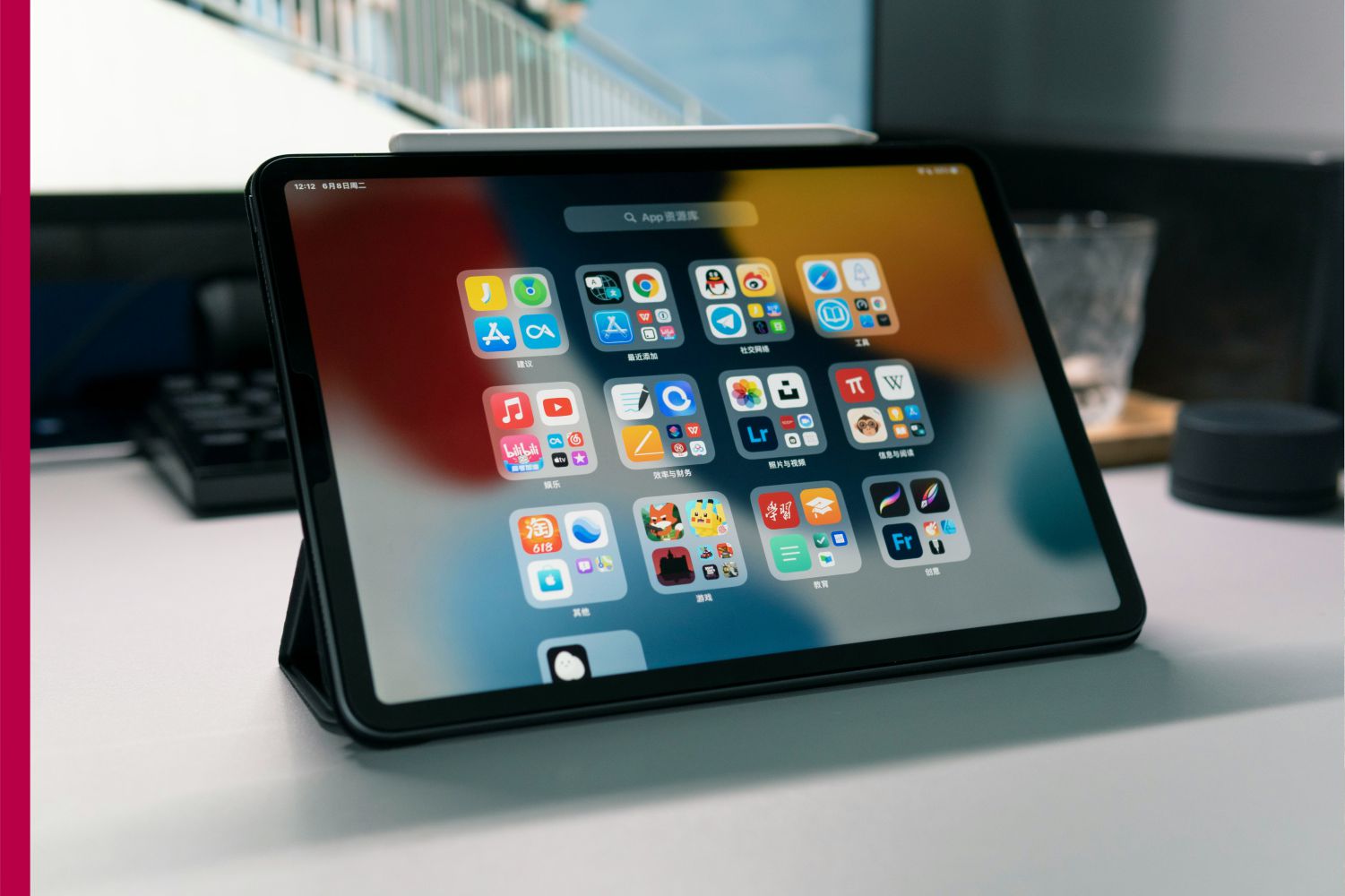
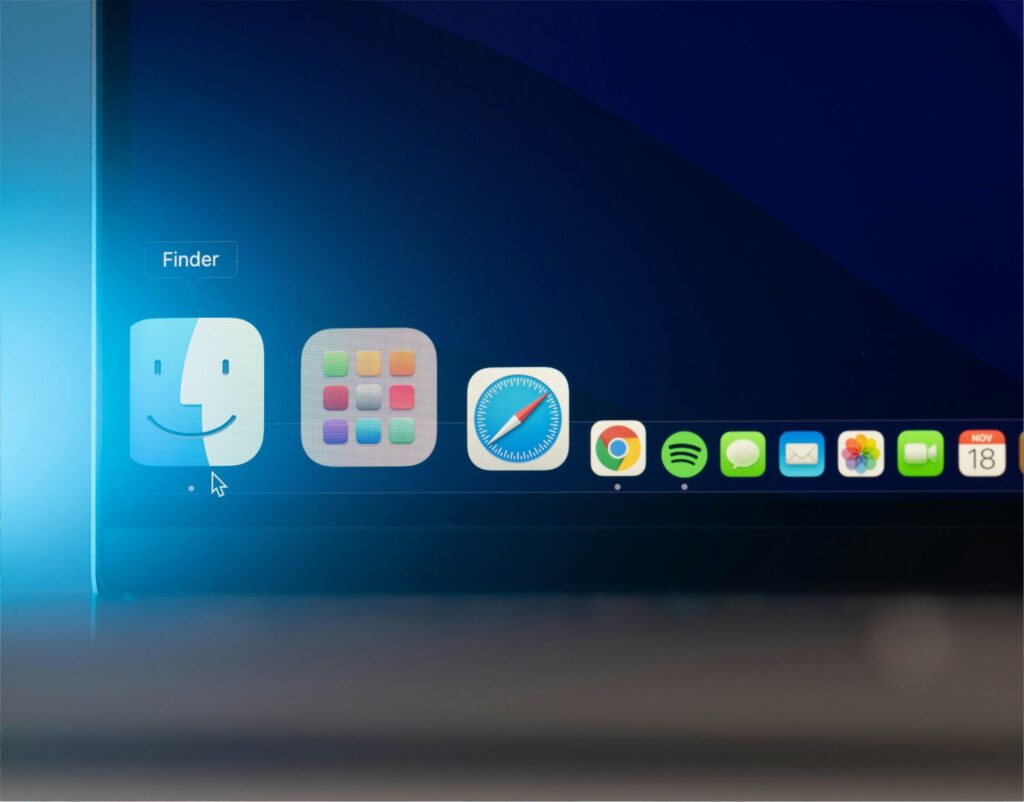
Another major function of an operating system is providing a user interface. This can be graphical, such as windows, icons, menus, and touch-based controls, or command-line based for more technical users. Popular operating systems like Windows, macOS, Linux, Android, and iOS are designed to offer intuitive interfaces that make complex computing tasks accessible to users of all skill levels. Through this interface, users can open applications, manage files, connect to networks, and customize system settings.
Operating systems also play a crucial role in software management. They act as a platform on which applications are built and executed. Developers rely on the OS to provide essential services such as memory management, file access, and security controls. App stores and package managers, commonly integrated into modern operating systems, simplify the process of installing, updating, and removing software, ensuring system stability and performance.
Security is another critical responsibility of an operating system. Modern OS platforms include built-in features such as user authentication, encryption, firewalls, and permission controls to protect data and prevent unauthorized access. Regular updates and patches help address vulnerabilities, making the operating system the first line of defense against malware, cyberattacks, and data breaches.
Different types of operating systems are designed for different purposes. Desktop operating systems focus on productivity and personal computing, while mobile operating systems prioritize touch interaction, power efficiency, and connectivity. Server operating systems are optimized for handling large volumes of data, network requests, and continuous uptime. Meanwhile, embedded operating systems run in devices like smart TVs, cars, medical equipment, and industrial machines, often operating silently in the background.
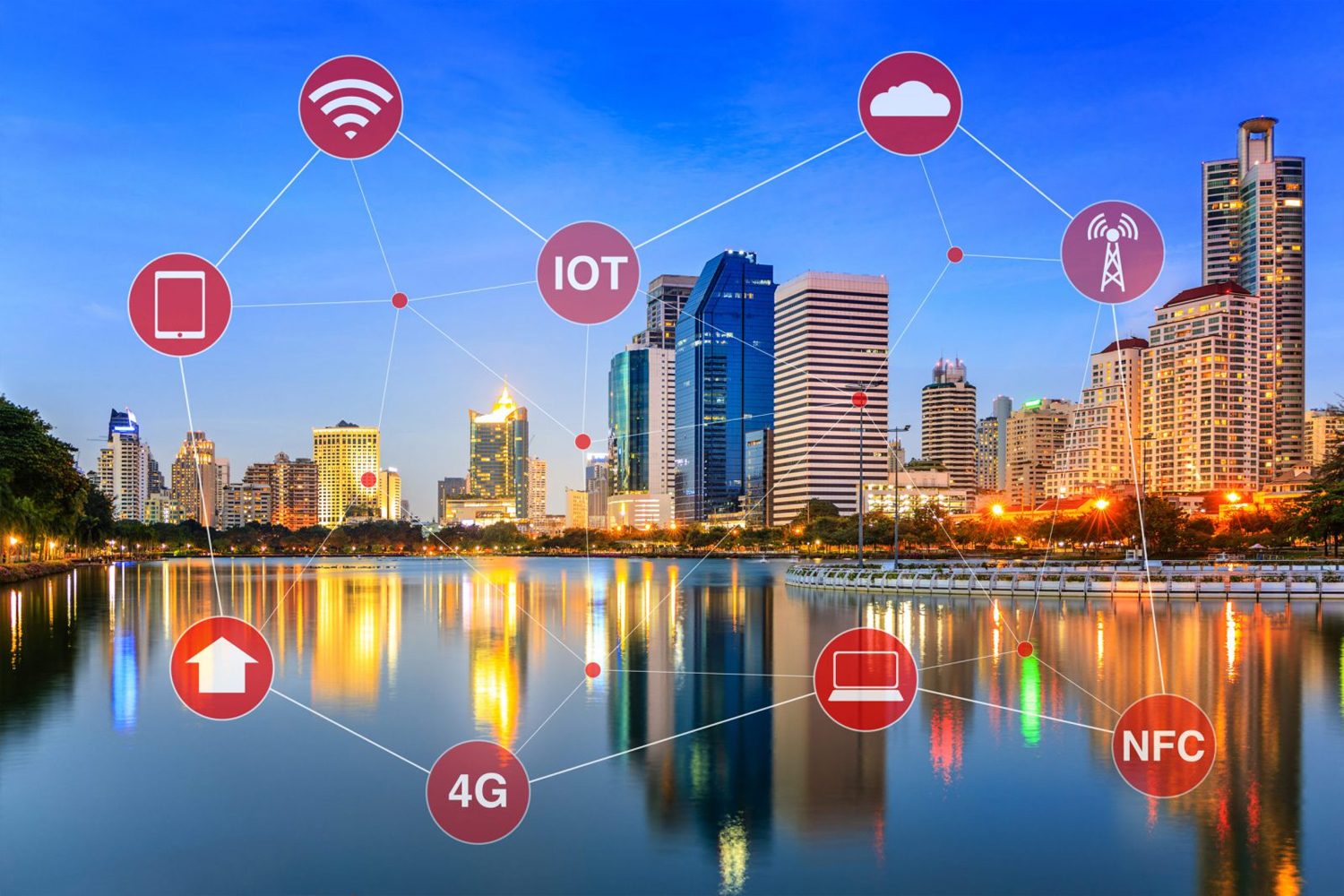
As technology evolves, operating systems continue to adapt. Cloud computing, artificial intelligence, and the Internet of Things are reshaping how OS platforms function. Modern operating systems now emphasize seamless integration across devices, faster boot times, smarter resource management, and enhanced privacy controls. Voice assistants, biometric authentication, and cloud synchronization have become standard features, improving both convenience and efficiency.
In conclusion, the operating system is the backbone of modern computing. It enables interaction, ensures security, manages resources, and provides the foundation on which digital innovation is built. While users may rarely think about it, the operating system quietly powers everyday experiences, making technology reliable, accessible, and indispensable in our digital lives.