



Neon lights have long been a symbol of vibrant city life, creativity, and visual excitement. From buzzing city streets and retro diners to modern art installations and stylish home décor, neon lighting continues to captivate people with its unmistakable glow. Although often associated with nightlife and commercial signage, neon lights have evolved into a powerful form of artistic and cultural expression that blends science, design, and nostalgia.
The story of neon lights begins in the early 20th century, when French engineer Georges Claude introduced neon lighting to the world. Neon lights work by passing an electric current through a sealed glass tube filled with gas. When energized, the gas emits light—pure neon produces a bright red-orange glow, while other colors are achieved using different gases or colored glass coatings. This simple yet fascinating technology quickly gained popularity for advertising, as neon signs were eye-catching, readable from a distance, and visually striking both day and night.
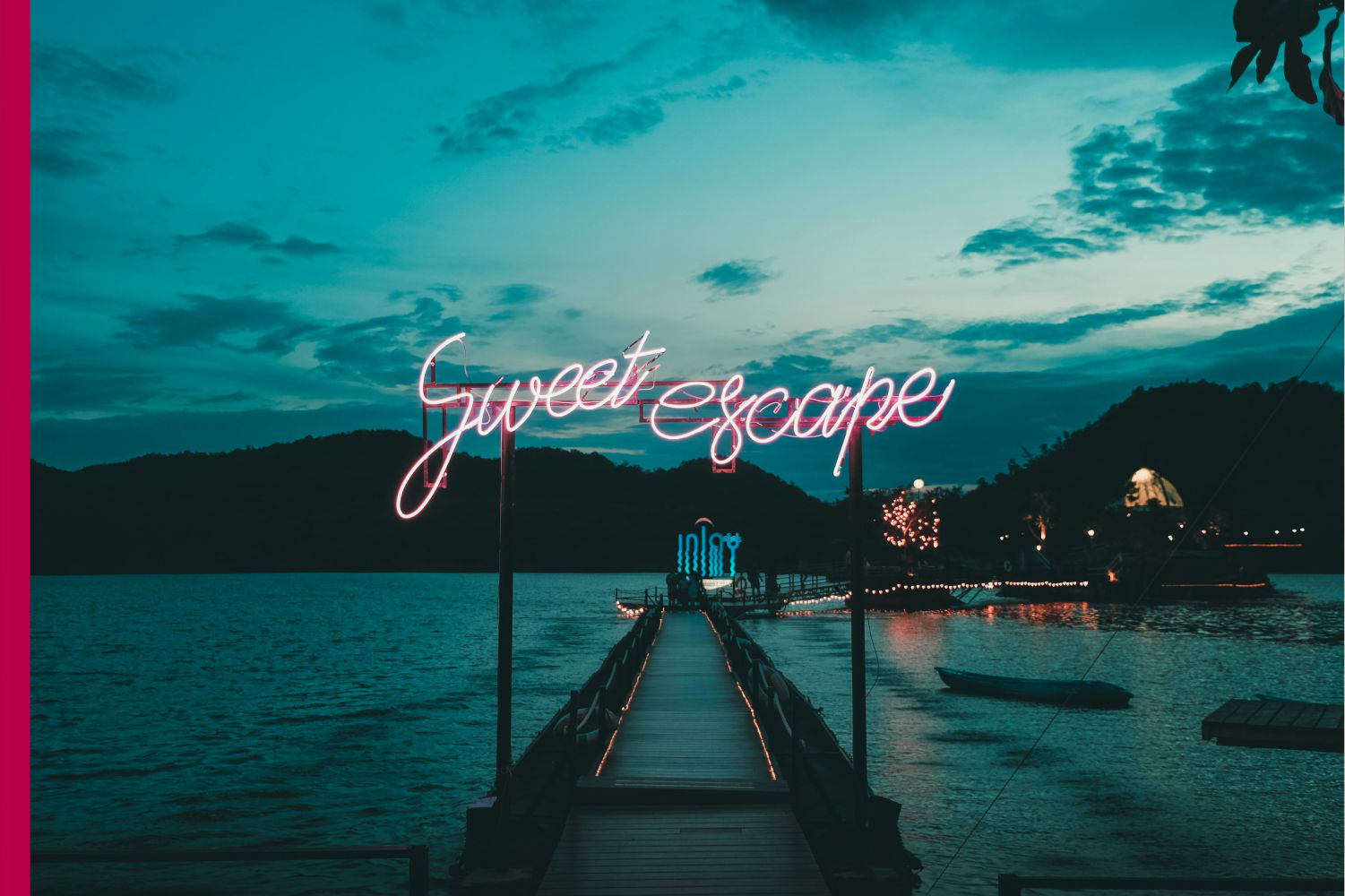
One of the most distinctive features of neon lights is their ability to create mood and atmosphere. The soft yet intense glow can feel warm, romantic, edgy, or futuristic depending on the color and design. Cities like Las Vegas, Tokyo, Hong Kong, and New York became iconic for their neon-lit streets, where glowing signs turned urban landscapes into living works of art. These illuminated environments shaped pop culture, influencing movies, music videos, photography, and fashion.

Beyond advertising, neon lights have become a respected art form. Many contemporary artists use neon as a medium to express ideas, emotions, and social commentary. Words, symbols, and abstract shapes made of neon tubing blur the line between light and language, creating installations that are both visually appealing and thought-provoking. Neon art is often used in galleries, exhibitions, and public spaces to challenge perceptions and spark conversations.
In recent years, neon lights have found a new place in interior design and personal spaces. Customized neon signs featuring inspirational quotes, names, or symbols are popular in homes, cafes, studios, and event décor. Their ability to instantly transform a space and add personality makes them a favorite choice for modern interiors. At the same time, LED neon alternatives have emerged, offering energy efficiency, durability, and flexible design while mimicking the classic neon look.
Neon lights also carry a strong sense of nostalgia. They remind many people of vintage theaters, old motels, roadside diners, and classic cityscapes. This retro charm has fueled a renewed appreciation for traditional neon craftsmanship, with skilled artisans still bending glass tubes by hand to create authentic designs. Preserving this craft is important, as it represents a unique blend of artistry and engineering.
In conclusion, neon lights are more than just a source of illumination they are symbols of creativity, culture, and urban identity. Whether lighting up city streets, enhancing interior spaces, or making bold artistic statements, neon lights continue to shine brightly across generations. Their timeless glow proves that even in a world of rapidly changing technology, some forms of light never lose their magic.