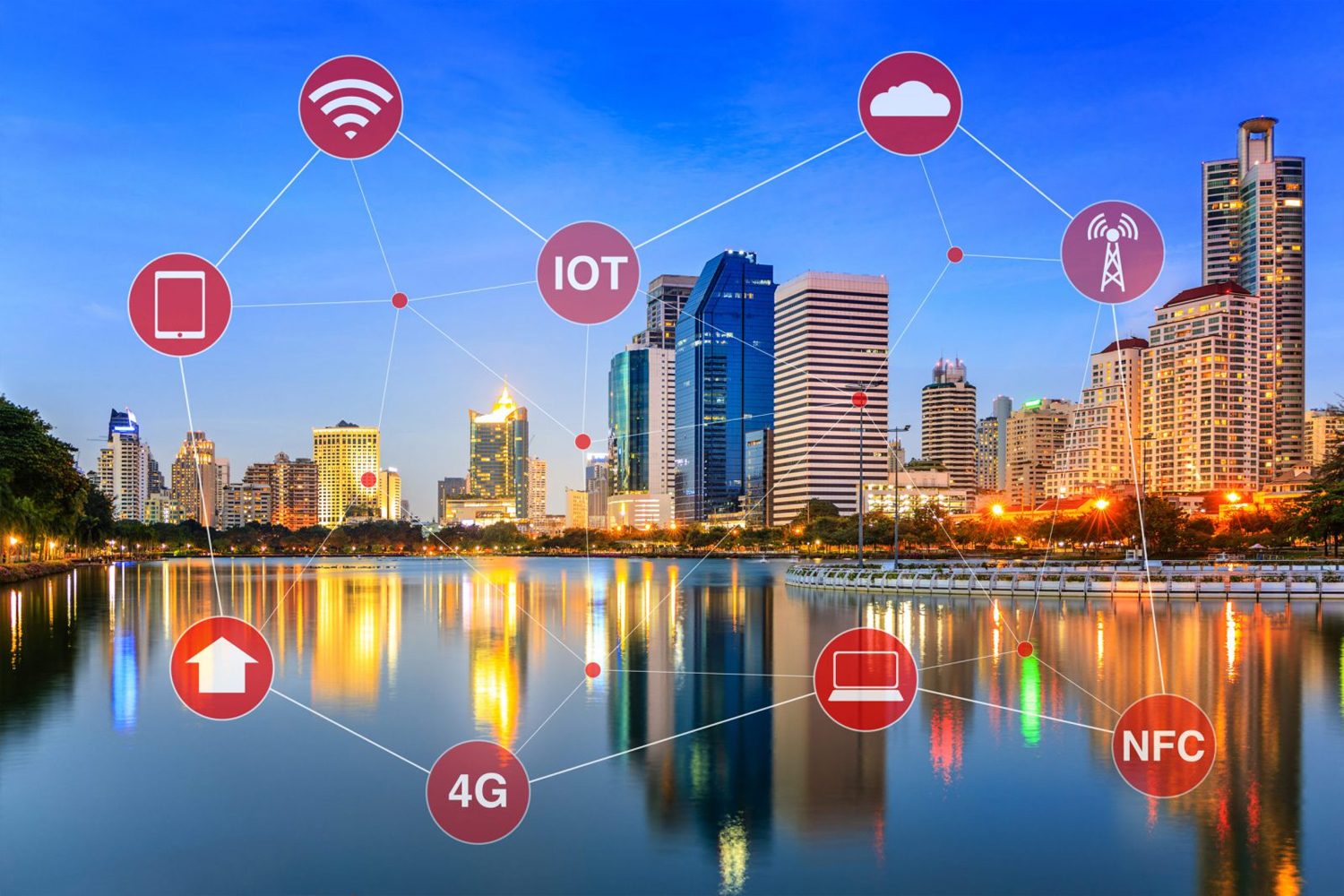






In today’s digital era, mobile phones have become an inseparable part of human life. What started as a simple communication device has evolved into one of the most powerful tools of modern technology. From staying connected with loved ones to running businesses, from entertainment to education, mobile phones have transformed the way we live, work, and interact with the world around us.
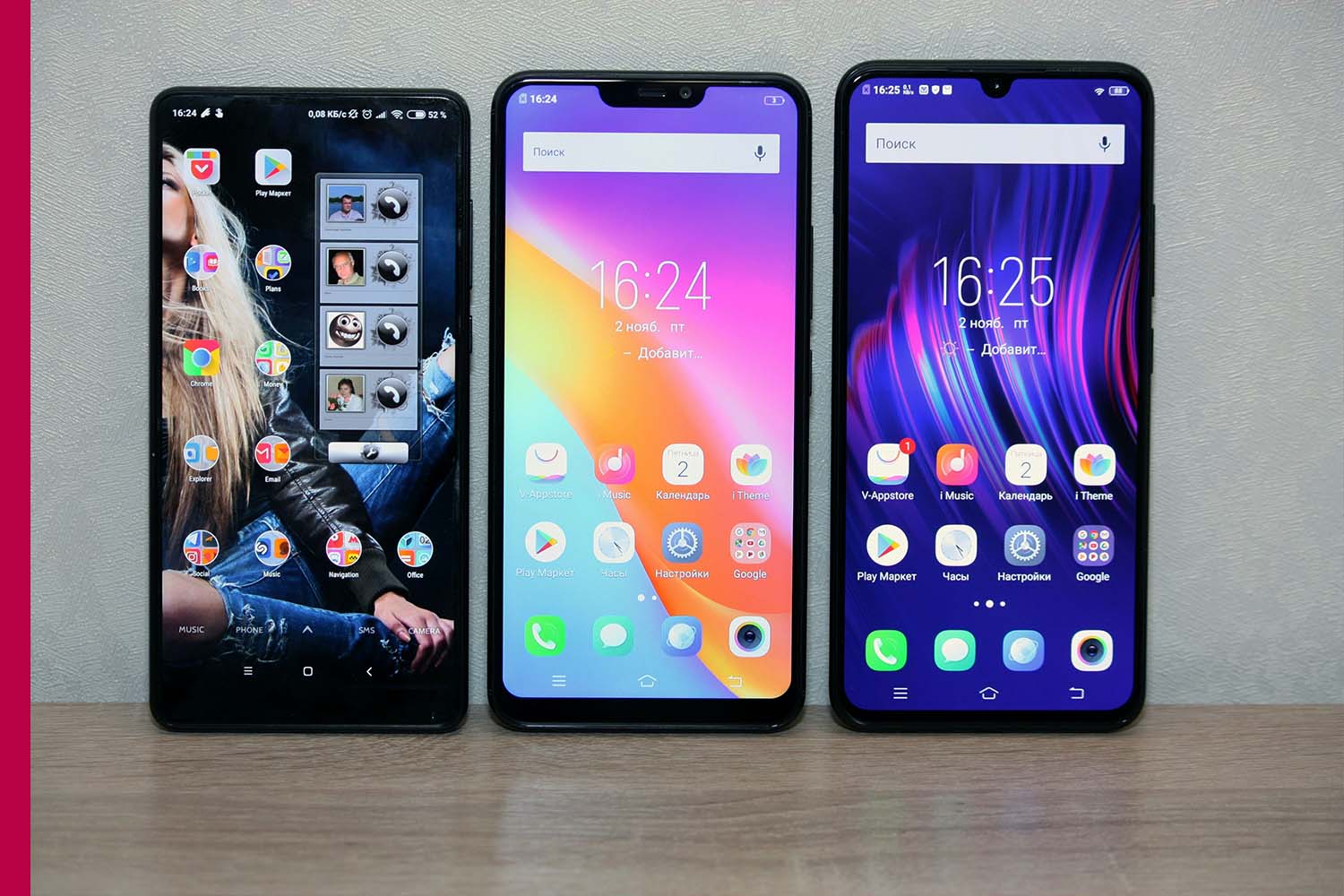
When the first mobile phone was introduced in the 1980s, it was bulky, expensive, and used primarily for voice calls. Fast forward to today, and we have sleek, multifunctional smartphones that fit in our pockets yet hold the power of an entire computer. Modern mobile phones are equipped with high-speed internet, high-resolution cameras, GPS navigation, and access to millions of apps that simplify everyday tasks. The evolution of mobile phones is a perfect example of how technology can revolutionize society.

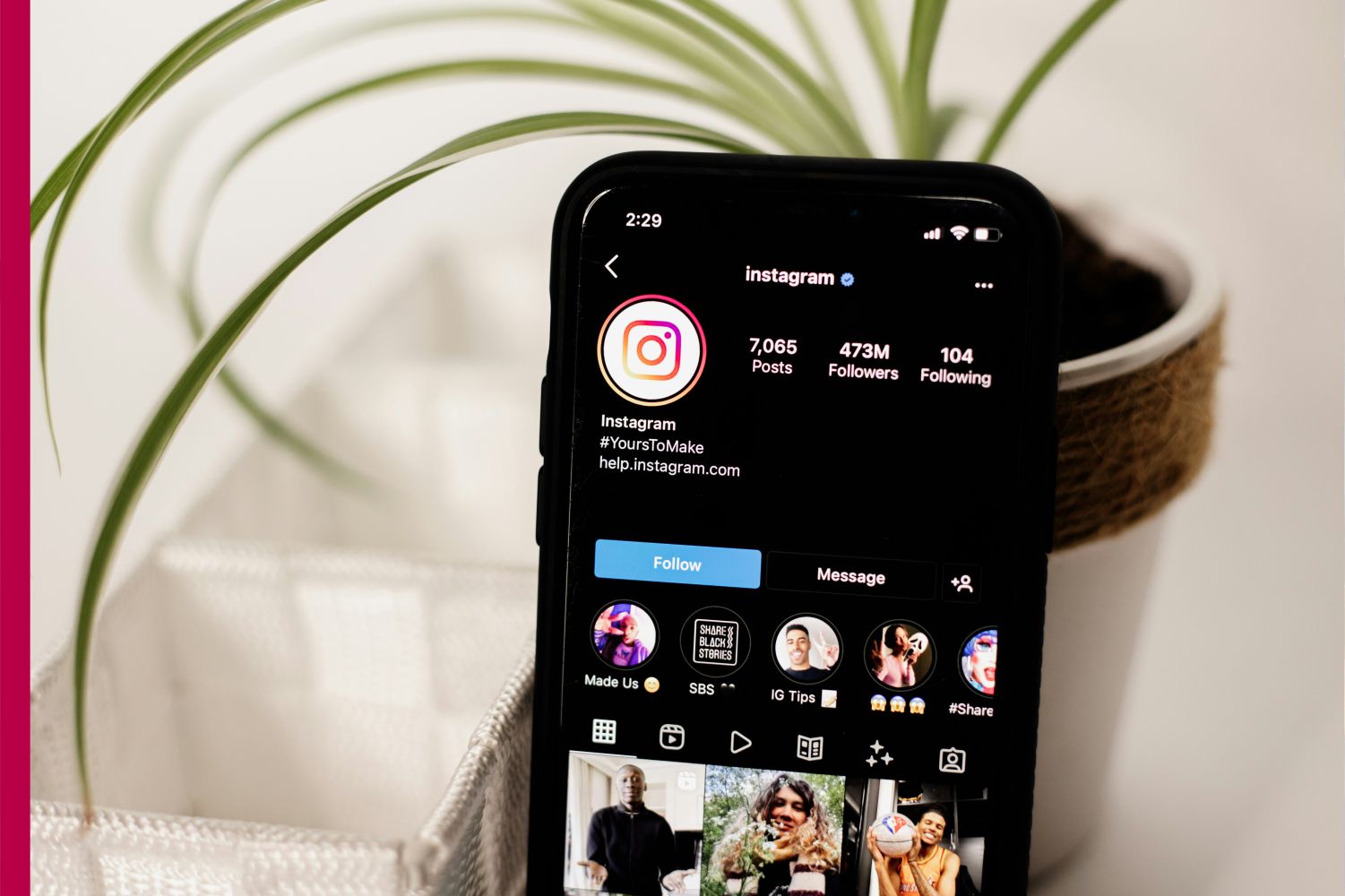
Communication remains the primary purpose of mobile phones, but the way we communicate has dramatically changed. Text messages, video calls, instant messaging, and social media platforms have replaced traditional phone conversations. Apps like WhatsApp, Instagram, and Zoom allow people to stay connected anytime, anywhere. The world has become a global village where distance no longer limits interaction.
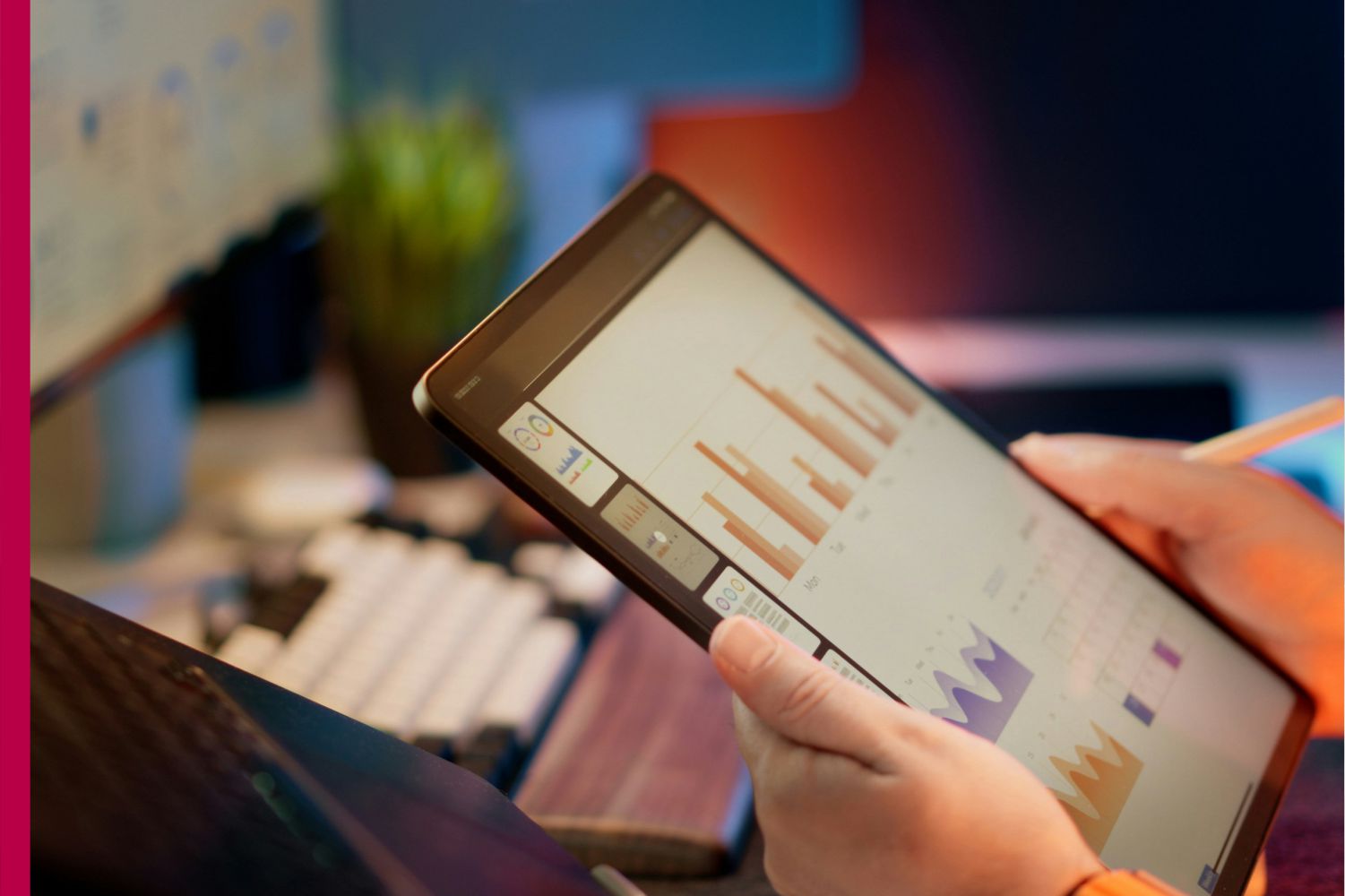
Beyond communication, mobile phones have become essential tools for productivity and learning. With just a few taps, users can manage emails, schedule meetings, take online classes, or even run an entire business. Students rely on smartphones for research, e-learning platforms, and educational apps that make studying interactive and accessible. For professionals, mobile phones enable remote work, instant collaboration, and efficient time management, making them indispensable in today’s fast-paced economy.
The entertainment industry has also been transformed by mobile technology. From streaming movies and music to playing games and scrolling through social media, mobile phones offer endless sources of fun and relaxation. Platforms like YouTube, Netflix, and Spotify have redefined how we consume media, placing the world’s content right at our fingertips.
Moreover, mobile phones have become powerful tools for empowerment and social change. In rural and developing regions, mobile technology provides access to financial services, healthcare information, and government resources that were once out of reach. Farmers receive weather updates, small entrepreneurs sell products online, and citizens raise awareness about social issues—all through their phones.
However, the increasing dependence on mobile phones also brings certain challenges. Excessive screen time, addiction, privacy concerns, and the spread of misinformation are growing issues in the digital age. It’s important to use mobile technology mindfully—balancing its benefits with responsible habits. Regular digital detoxes, limited screen time, and data security awareness can help maintain a healthy relationship with our devices.
In conclusion, mobile phones have become much more than communication gadgets—they are gateways to information, innovation, and global connection. They have revolutionized how we live, learn, and express ourselves. As technology continues to evolve, the mobile phone will undoubtedly play an even greater role in shaping the future. Used wisely, it remains one of humanity’s greatest inventions—a device that connects the world, one touch at a time.