




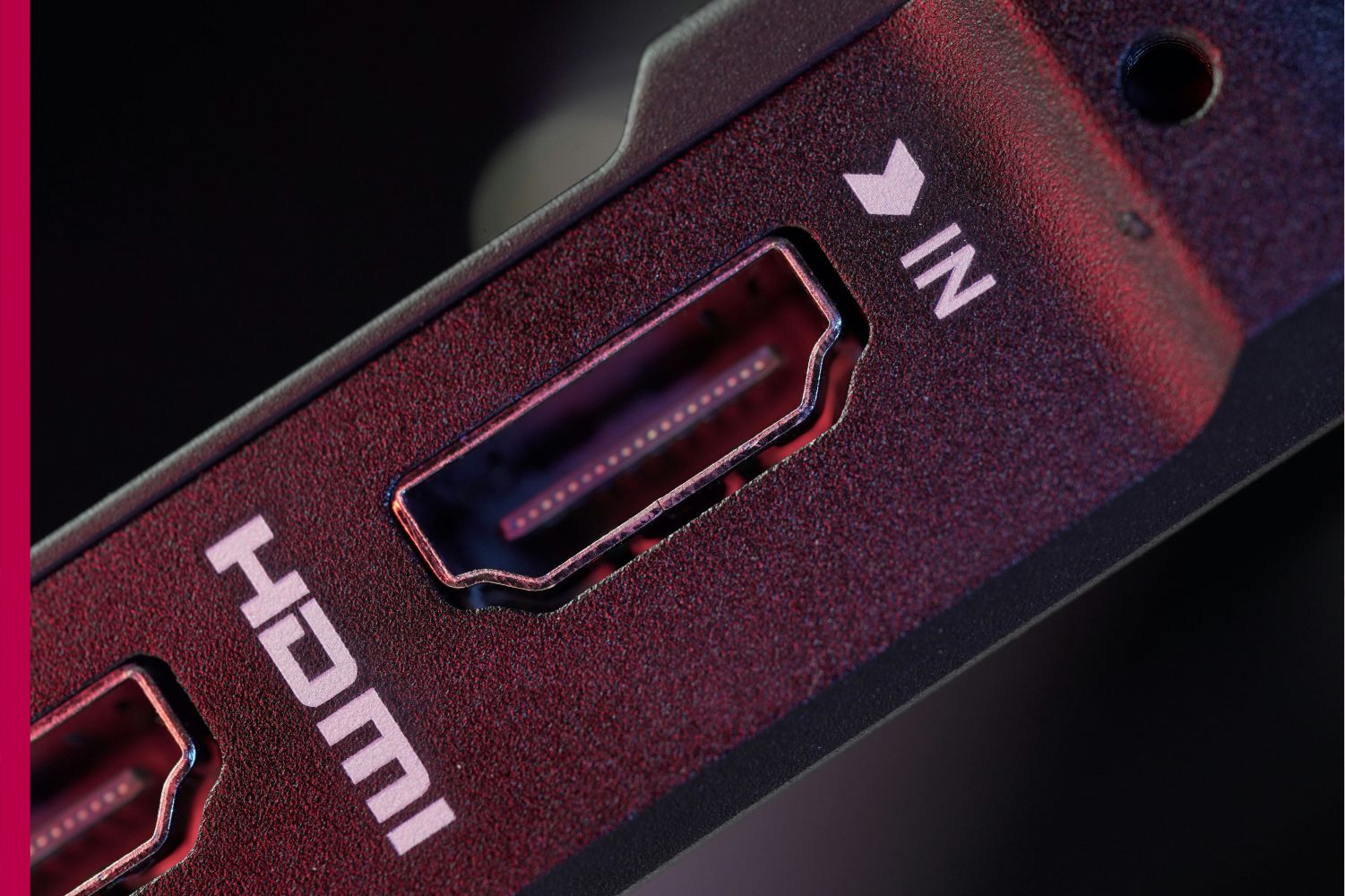
In today’s fast-paced digital world, portability and performance go hand in hand. As devices become slimmer and more compact, the need for smaller yet powerful connectivity solutions has grown rapidly. One such solution is Micro HDMI, a tiny connector that plays a big role in delivering high-quality audio and video from portable devices to larger display systems.
Micro HDMI, officially known as HDMI Type D, was introduced to meet the demands of compact electronics such as smartphones, tablets, action cameras, DSLR cameras, and portable media players. While standard HDMI connectors are too large for ultra-thin devices, Micro HDMI offers the same functionality in a much smaller form factor almost 50% smaller than the Mini HDMI connector.
Despite its size, Micro HDMI supports the full HDMI feature set. This includes high-definition video output up to 1080p and even 4K, multi-channel digital audio, and advanced features like CEC (Consumer Electronics Control), Ethernet support, and 3D video, depending on the HDMI version supported by the device. This makes Micro HDMI a powerful option for users who want to connect their compact gadgets to televisions, monitors, or projectors without sacrificing quality.
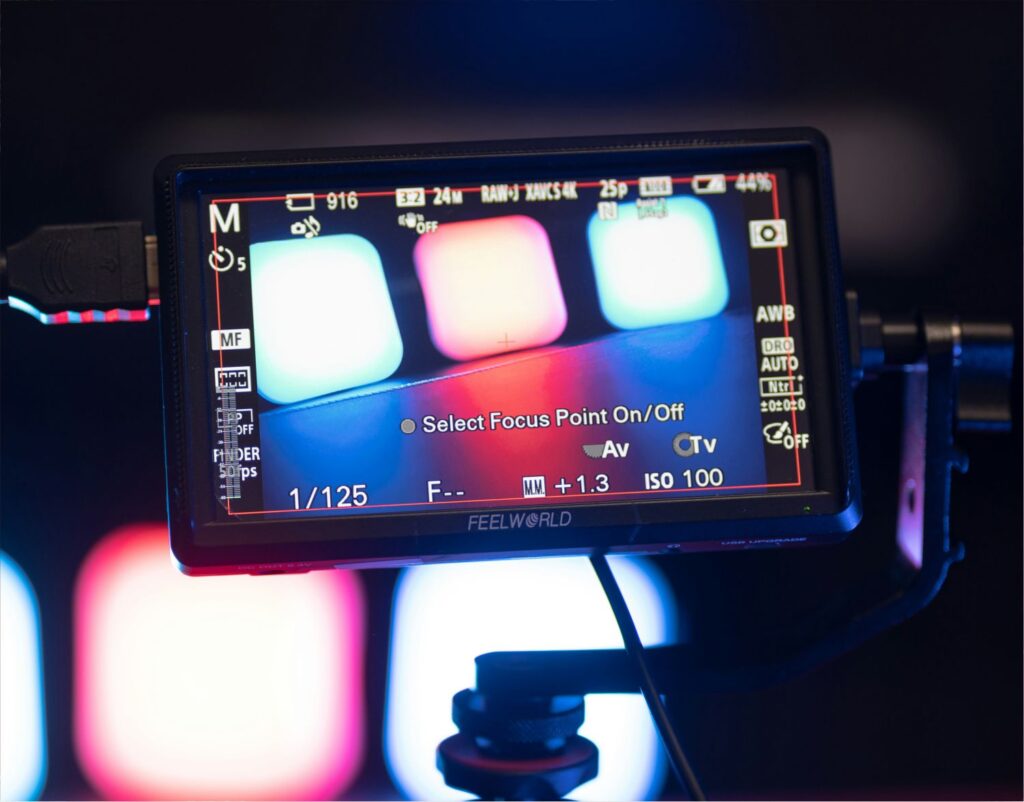
One of the most common uses of Micro HDMI is in digital cameras and action cameras. Content creators, vloggers, and photographers often use Micro HDMI to preview photos and videos on larger screens or to connect their cameras directly to external monitors for live viewing and professional shooting setups. Similarly, tablets and some older smartphones use Micro HDMI to mirror their displays, making it easier to deliver presentations, stream videos, or enjoy gaming on a bigger screen.
Another advantage of Micro HDMI is its plug-and-play simplicity. No additional drivers or software are required just connect the cable, and the device instantly mirrors or extends the display. This ease of use has made Micro HDMI popular in professional environments such as conferences, classrooms, and media production studios.
However, Micro HDMI does come with a few limitations. Due to its small size, the connector is more delicate than standard HDMI ports. Frequent plugging and unplugging can cause wear over time, especially if low-quality cables are used. Additionally, with the rise of USB-C and wireless display technologies, Micro HDMI is becoming less common in newer devices. Many manufacturers now prefer USB-C for its versatility, power delivery, and data transfer capabilities.
Still, Micro HDMI remains relevant, especially in specialized and legacy devices. It offers a reliable, high-quality connection where compact design is essential. For users who own devices equipped with Micro HDMI, investing in a good-quality cable or adapter can ensure long-lasting performance and excellent audiovisual output. In conclusion, Micro HDMI proves that size doesn’t limit capability. Though small in appearance, it delivers powerful performance, making it an essential connector in the evolution of portable digital devices.