




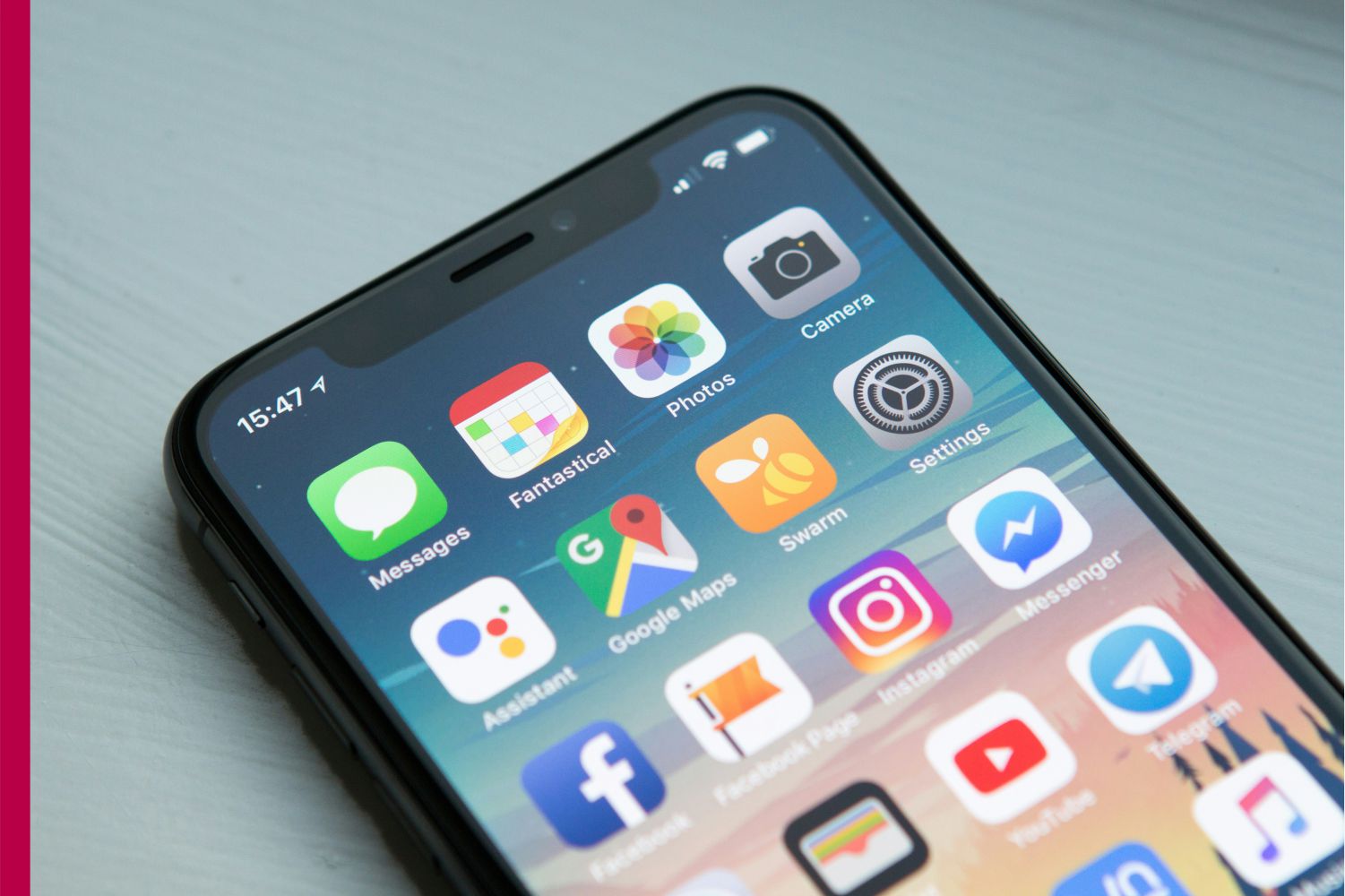
Haptics refers to technology that simulates the sense of touch through vibrations, motions, and forces, allowing users to physically feel digital interactions. In a world increasingly dominated by screens and virtual environments, haptics plays a crucial role in making technology more intuitive, immersive, and human-centered. By engaging the sense of touch, haptic technology bridges the gap between the physical and digital worlds.
The concept of haptics is rooted in how humans perceive and interact with their surroundings. Touch is one of the most powerful senses, helping people understand texture, pressure, and movement. Haptic systems replicate these sensations using actuators, sensors, and feedback mechanisms. Simple examples include the vibration felt when typing on a smartphone keyboard or receiving a notification. More advanced systems can simulate resistance, texture, or force, creating realistic tactile experiences.
Haptics has become an essential component of consumer electronics. Smartphones, gaming controllers, and wearable devices use haptic feedback to enhance user interaction. In gaming, haptics adds realism by allowing players to feel in-game actions such as collisions, gunfire, or terrain changes. This sensory feedback increases immersion and emotional engagement, making experiences more memorable and interactive.
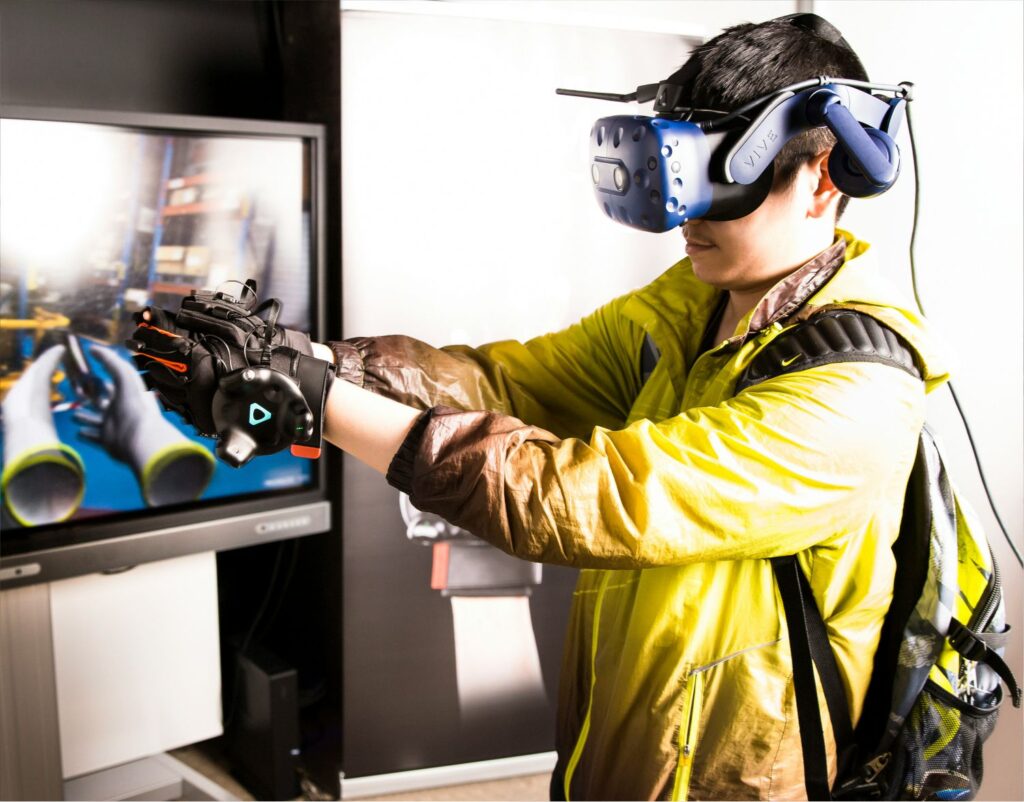
In virtual reality and augmented reality, haptics plays a transformative role. While visual and audio elements create a sense of presence, haptic feedback adds physical realism. Haptic gloves, suits, and controllers enable users to feel virtual objects, improving realism and usability. This technology is especially valuable in training simulations, where realistic touch feedback helps users develop practical skills in a safe environment.
Haptics is also making a significant impact in healthcare and medicine. Surgeons use haptic-enabled tools in robotic and minimally invasive surgeries to feel resistance and pressure, enhancing precision and safety. In rehabilitation, haptic devices assist patients in regaining motor skills by providing guided movement and tactile feedback. Medical training simulators use haptics to help students practice procedures without risk to patients.
Another important application of haptics is in accessibility. For individuals with visual or hearing impairments, haptic feedback provides an alternative way to receive information. Vibrations and tactile signals can guide users, convey alerts, or assist with navigation. This inclusive aspect of haptics improves usability and independence for people with different abilities.
As technology evolves, haptics is expanding into new fields such as automotive design, remote communication, and online shopping. Advanced haptic systems allow drivers to receive tactile alerts, reduce distractions, and improve safety. In remote interactions, haptics can convey emotions like handshakes or taps, adding a personal touch to digital communication.
In conclusion, haptics is revolutionizing how people interact with technology by adding the dimension of touch. It enhances realism, usability, and emotional connection across various industries. As haptic technology continues to advance, it will play a key role in creating more immersive, accessible, and human-focused digital experiences.