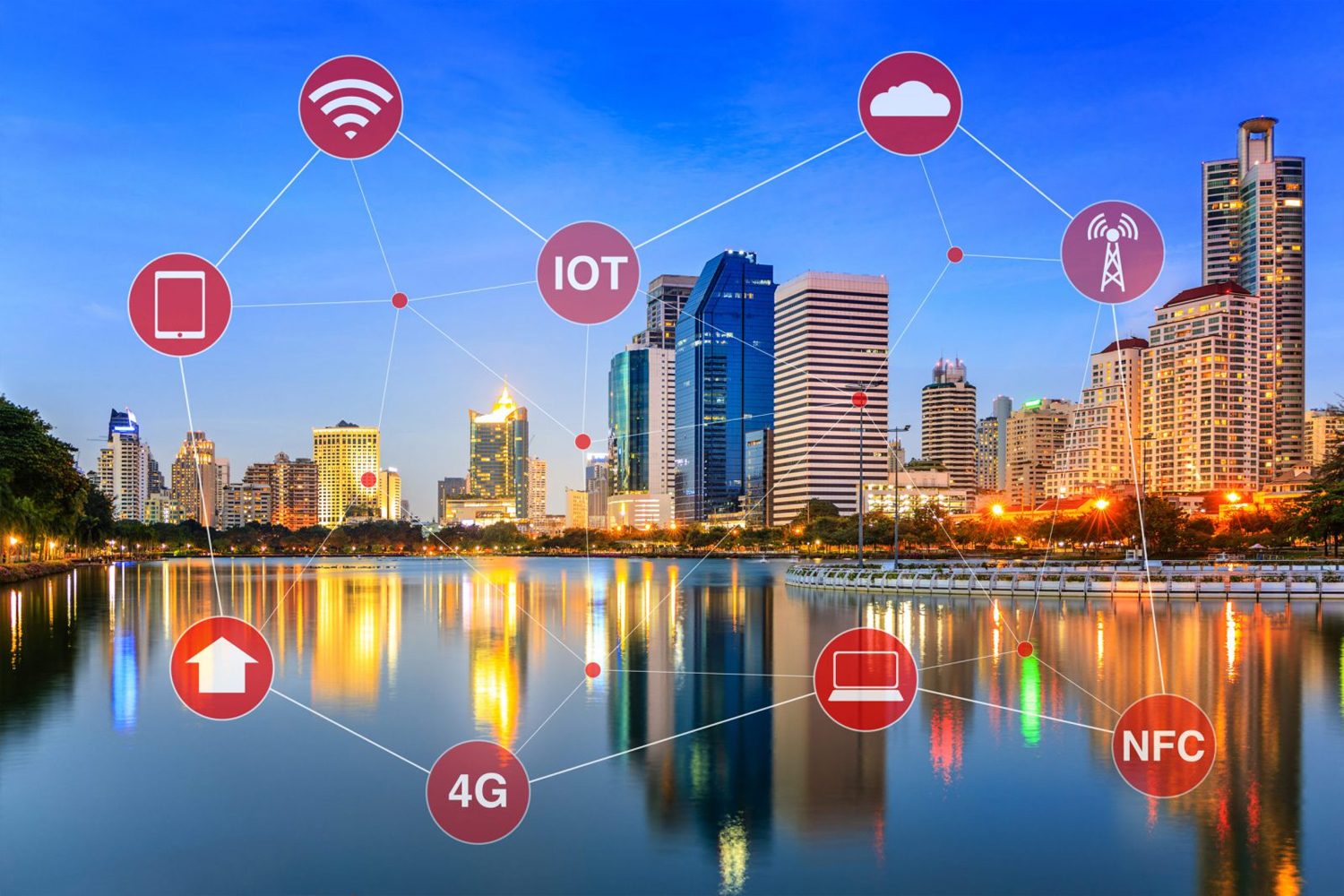




In the 21st century, connectivity has become the heartbeat of modern life. It defines how we communicate, work, learn, and even think. Whether it’s through smartphones, the internet, or emerging technologies like 5G and satellite networks, connectivity bridges distances, unites people, and fuels innovation across every aspect of society. What was once limited to physical communication has now evolved into a vast web of digital interaction that keeps the world running — anytime, anywhere.
At its essence, connectivity means linking people, devices, and systems. The rise of the internet revolutionized how humans connect, transforming the globe into a digital village. Emails replaced letters, video calls replaced traditional meetings, and social media turned communication into an instantaneous experience. Today, billions of people are connected online, sharing information, culture, and ideas in real time. This level of interaction has reshaped industries, economies, and social relationships on a global scale.
In the business world, connectivity has redefined operations. Remote work, cloud computing, and virtual collaboration are now standard practices. Teams across continents can coordinate projects seamlessly through digital platforms like Zoom, Slack, and Microsoft Teams. Businesses can manage global supply chains, interact with customers, and analyze real-time data through interconnected systems. Connectivity not only improves efficiency but also creates opportunities for innovation, entrepreneurship, and inclusive growth.

Technology has pushed connectivity to new heights through advancements such as 5G networks and the Internet of Things (IoT). With 5G, data transfer speeds are faster and more reliable, enabling real-time communication between devices. IoT takes this a step further — connecting everything from smart homes and wearable gadgets to industrial machines and vehicles. This level of interconnectivity allows automation, predictive maintenance, and intelligent decision-making across sectors like healthcare, manufacturing, and transportation.
In education, connectivity has opened doors to global learning. Online classrooms, digital libraries, and e-learning platforms allow students to access knowledge from anywhere in the world. This digital shift, accelerated by the pandemic, has made education more flexible and inclusive. Similarly, in healthcare, telemedicine and connected health devices enable doctors to monitor patients remotely, providing faster and more efficient care.
However, the rise of connectivity also brings challenges. The digital divide — the gap between those who have access to technology and those who do not — remains a major concern, especially in rural and developing regions. Cybersecurity, privacy issues, and data protection are other critical challenges as more personal and corporate information moves online. Bridging these gaps requires responsible innovation, stronger infrastructure, and global collaboration to ensure that connectivity benefits everyone equally.
In conclusion, connectivity is the invisible thread that ties together our digital world. It drives communication, empowers industries, and enhances daily life. As technology continues to evolve with artificial intelligence, satellite internet, and smart systems the future of connectivity promises to be faster, smarter, and more inclusive. When used responsibly, connectivity has the power not only to connect devices but also to unite people, fostering progress, understanding, and a truly connected global community.