





Bluetooth connection has become an essential part of modern digital life, enabling wireless communication between devices over short distances. From smartphones and laptops to headphones, smartwatches, cars, and home automation systems, Bluetooth technology allows devices to connect and share data without the need for cables. Its simplicity, efficiency, and wide compatibility have made it one of the most widely used wireless technologies in the world.
Bluetooth works by using radio waves in the 2.4 GHz frequency band to transmit data between devices. When two Bluetooth-enabled devices pair with each other, they establish a secure communication link. This pairing process ensures that only authorized devices can exchange information. Once paired, devices can automatically reconnect when they are within range, offering convenience and ease of use for users.
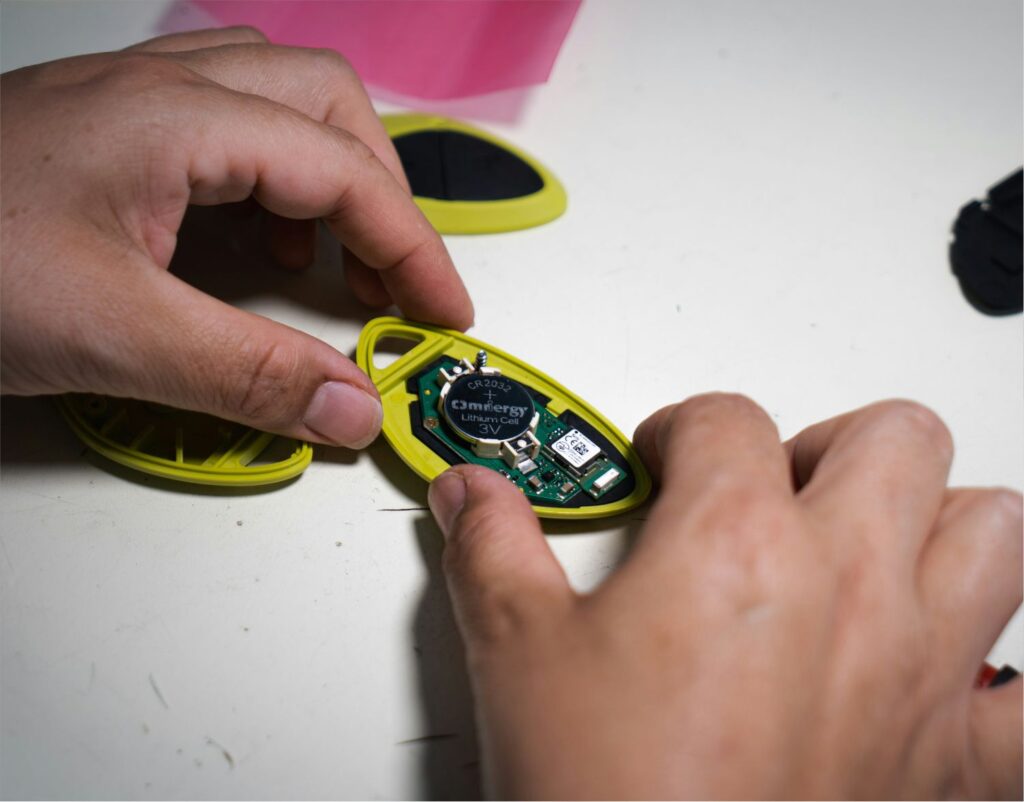
One of the biggest advantages of Bluetooth connection is its low power consumption. Unlike some wireless technologies that drain battery quickly, Bluetooth is designed to be energy efficient. This is especially important for small devices like wireless earbuds, fitness trackers, and smart sensors. Bluetooth Low Energy (BLE) technology further enhances power efficiency, allowing devices to operate for long periods on minimal battery power.
Bluetooth connections support a wide range of applications. In personal use, it enables wireless audio streaming, file sharing, and peripheral connectivity such as keyboards, mice, and printers. In automobiles, Bluetooth allows hands-free calling and audio playback, improving safety while driving. In smart homes, Bluetooth connects lighting systems, locks, and appliances, contributing to seamless automation and control.
Security is a key consideration in Bluetooth technology. Modern Bluetooth versions include encryption and authentication features that protect data during transmission. While older versions were more vulnerable to unauthorized access, continuous updates and improvements have made Bluetooth connections much safer. Users are advised to keep devices updated, turn off Bluetooth when not in use, and avoid pairing with unknown devices to enhance security.
Over the years, Bluetooth has evolved significantly. Each new version improves speed, range, and stability. The latest Bluetooth standards support higher data transfer rates, improved audio quality, and extended range, making wireless experiences smoother and more reliable. Features like multi-device connectivity allow users to connect multiple devices simultaneously, increasing productivity and convenience.
Despite its many advantages, Bluetooth has certain limitations. Its range is generally limited compared to Wi-Fi, and signal interference can occur in crowded environments where many devices operate on similar frequencies. However, for short-range communication, Bluetooth remains one of the most practical and cost-effective solutions.
In conclusion, Bluetooth connection has transformed the way devices interact, offering a reliable and wireless alternative to traditional wired connections. Its energy efficiency, versatility, and continuous technological advancements make it indispensable in everyday life. As technology continues to evolve, Bluetooth will remain a key driver of connectivity, supporting smarter, more connected devices across the globe.