



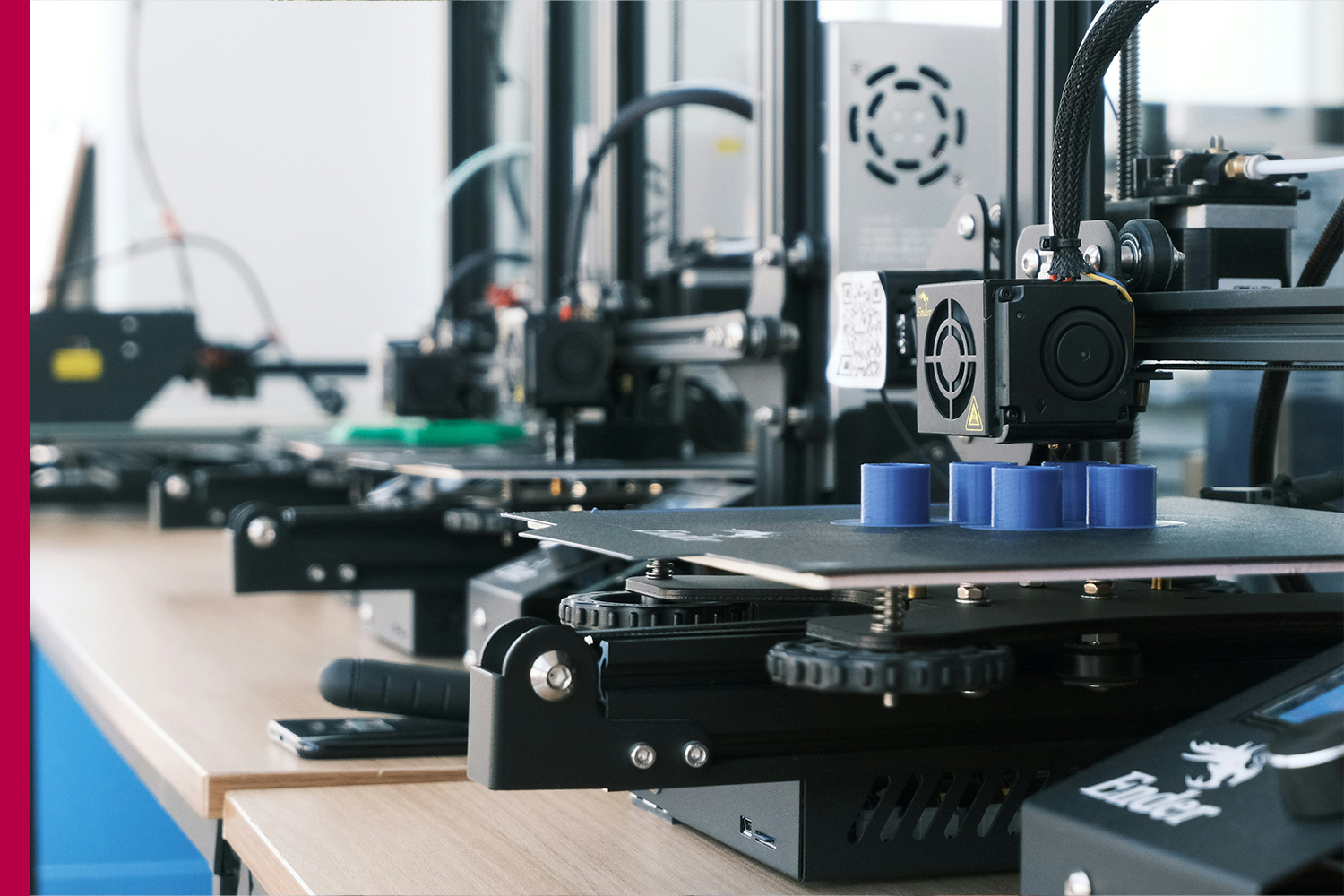
3D printing, also known as additive manufacturing, has rapidly evolved from a niche technology into a transformative global innovation. This revolutionary process allows digital designs to be turned into physical objects by layering materials such as plastic, resin, metal, or even biological matter. What once seemed like science fiction is now reshaping industries, redefining creativity, and offering new possibilities in manufacturing, healthcare, architecture, education, and beyond.
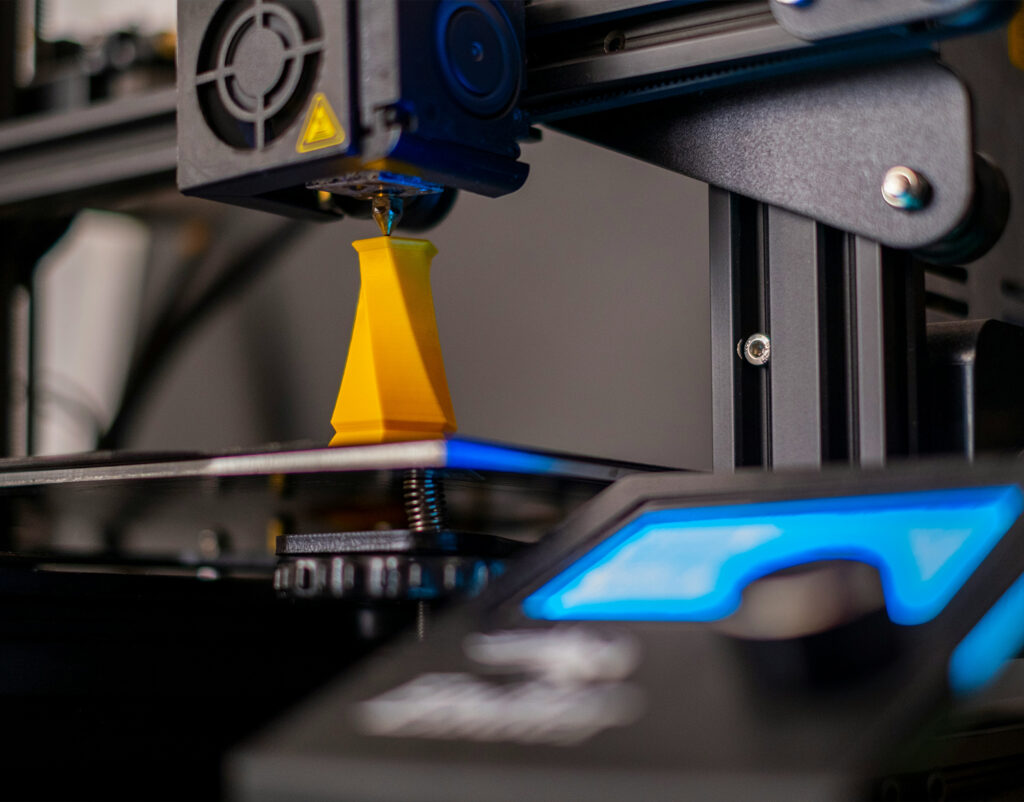
At its core, 3D printing works by creating objects layer by layer. Unlike traditional manufacturing, which often cuts away material from a larger block, additive manufacturing builds the object from the ground up using precise digital instructions. This method minimizes waste, reduces production time, and enables complex shapes that would be impossible or too expensive to create using conventional techniques. From detailed prototypes to functional end-use products, 3D printing has opened a new world of design freedom.
One of the biggest advantages of 3D printing is rapid prototyping. Designers and engineers can quickly turn concepts into physical models, test them, and make improvements within hours instead of weeks. This fast iteration process helps companies innovate faster, reduces development costs, and encourages creativity. Many industries including automotive, aerospace, and consumer electronics—use 3D printing to perfect designs before mass production.
Healthcare is one of the sectors most profoundly impacted by additive manufacturing. 3D printing allows for the creation of patient-specific medical devices such as implants, prosthetics, dental crowns, and surgical guides. Custom prosthetic limbs, tailored to a patient’s exact measurements, are lighter, more comfortable, and more affordable than traditional ones. Researchers are also exploring bioprinting, a groundbreaking process where living cells are printed to create tissues and, potentially in the future, fully functional organs. This could revolutionize organ transplants and regenerative medicine.
The technology is also transforming architecture and construction. Large-scale 3D printers can build houses using concrete-like materials, reducing labor costs, increasing structural precision, and promoting sustainable construction. These printed homes are gaining attention for their affordability and durability, especially in regions facing housing shortages.
In the world of fashion and art, 3D printing fuels creativity like never before. Designers create intricate jewelry, footwear, and sculptures that push the boundaries of imagination. The ability to customize items makes 3D-printed fashion both innovative and personal, appealing to a growing audience seeking unique, tailor-made products.
Education has also embraced 3D printing as a powerful learning tool. Students can turn theoretical concepts into hands-on models, enhancing understanding in fields like engineering, biology, and design. By introducing young learners to 3D printing, schools prepare future innovators and problem-solvers.
Despite its many benefits, 3D printing also faces challenges. Material limitations, high-quality control needs, and the slow production speed of some printers can restrict large-scale manufacturing. Additionally, concerns around intellectual property and environmental impact must be addressed as the technology continues to expand.
Nevertheless, the future of 3D printing is incredibly promising. With ongoing advancements, lower costs, and growing accessibility, 3D printing is set to revolutionize how we create, build, heal, and innovate. It is more than a technology it is a new way of thinking, turning imagination into reality one layer at a time.