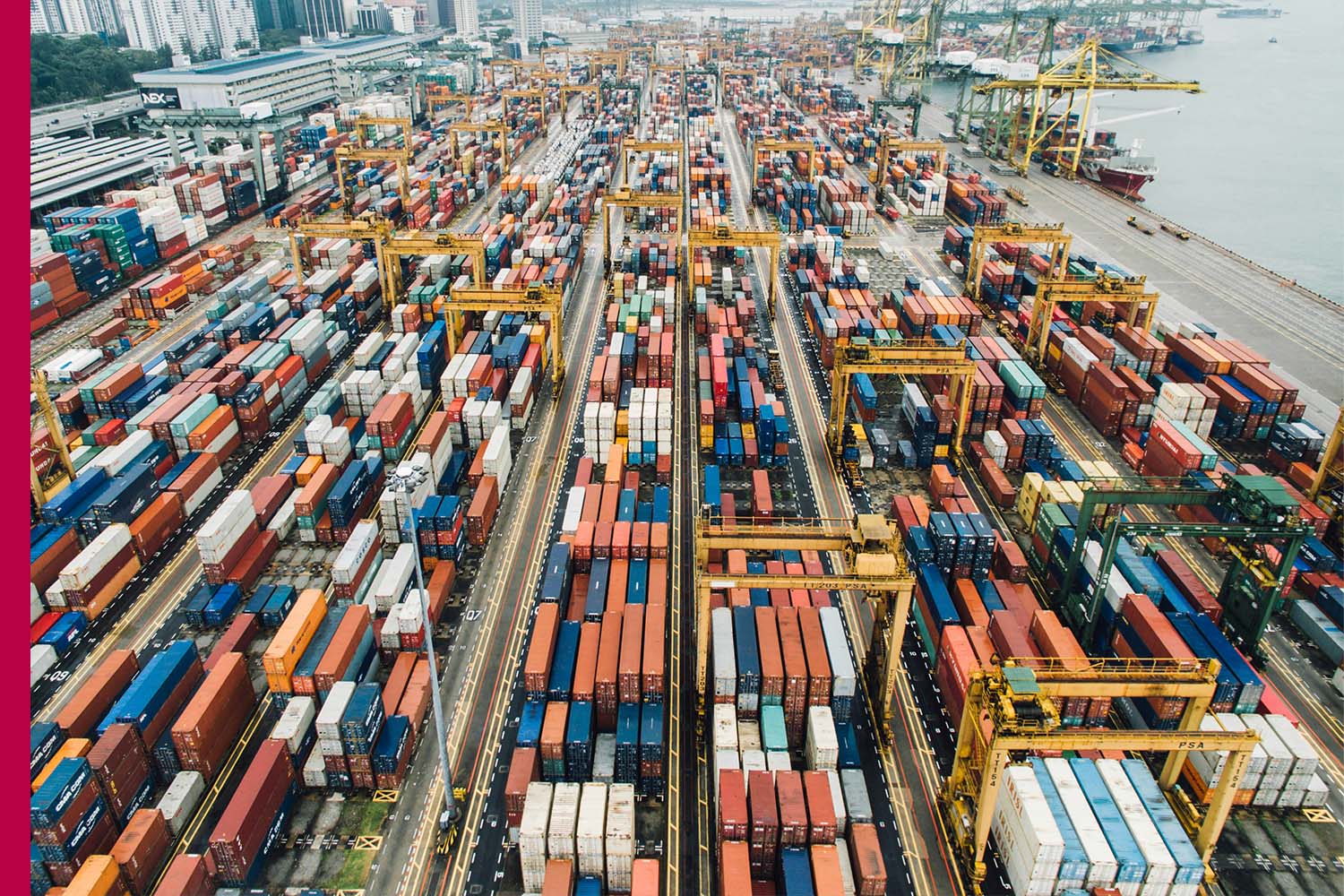








In today’s fast-paced and interconnected global economy, supply chains face constant pressure to become faster, smarter, and more resilient. Traditional supply chain models, often dependent on manual processes and fragmented data, struggle to keep up with changing customer expectations and market volatility. Digital supply chain solutions address these challenges by using advanced technologies to improve visibility, efficiency, and decision-making across the entire supply chain.
At the heart of digital supply chain solutions is real-time data integration. By connecting suppliers, manufacturers, warehouses, distributors, and retailers on a single digital platform, businesses gain end-to-end visibility into their operations. This transparency allows companies to track inventory levels, shipment status, and production schedules in real time, reducing delays and improving coordination. With accurate, up-to-date information, supply chain managers can respond quickly to disruptions and changing demand patterns.
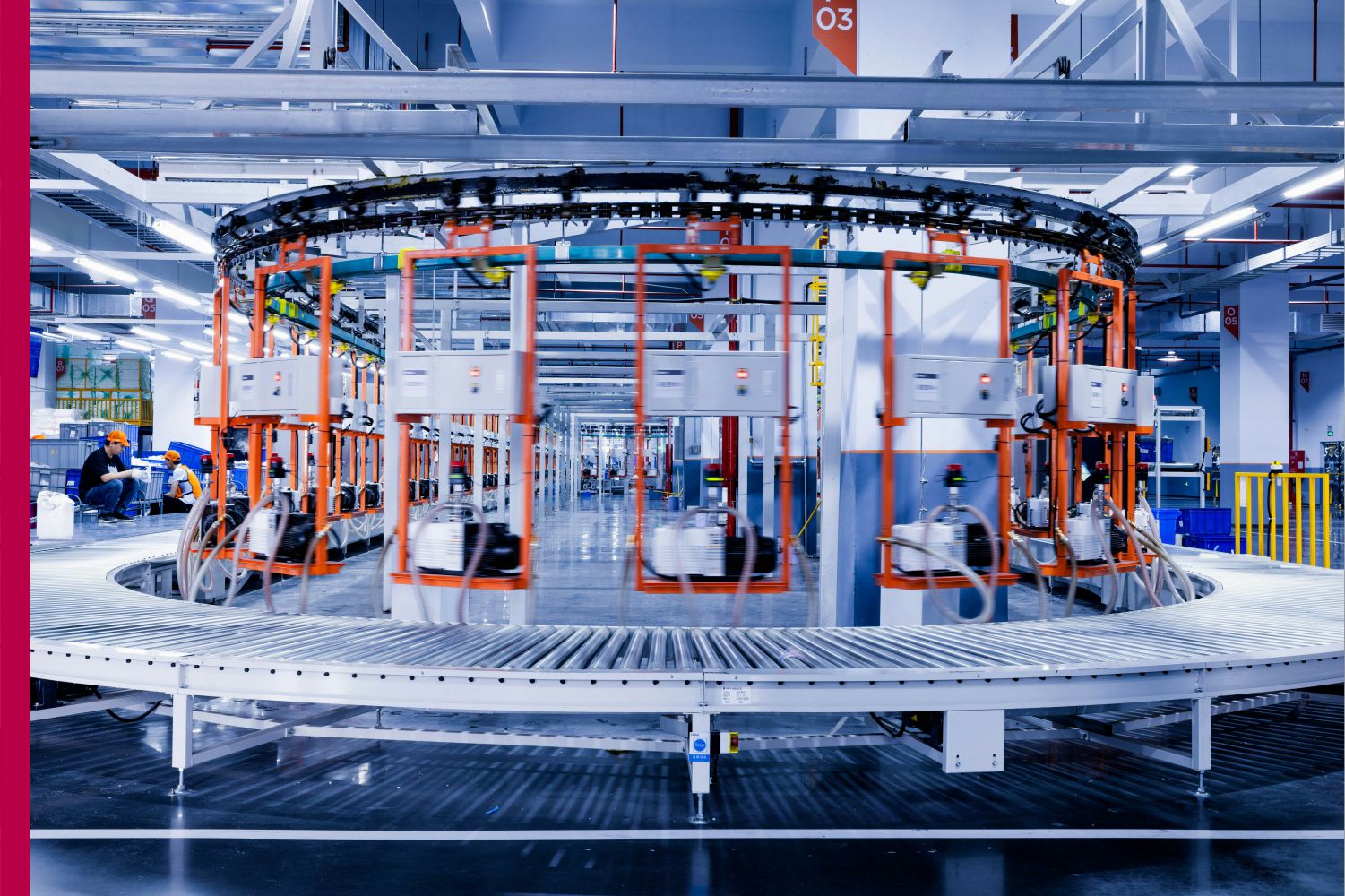
Automation plays a key role in modern digital supply chains. Technologies such as robotics, automated warehousing systems, and intelligent order processing reduce manual intervention and human error. Automated workflows speed up operations such as inventory replenishment, order fulfillment, and invoicing, resulting in lower operational costs and faster delivery times. Automation also enables businesses to scale operations efficiently as demand grows.
Advanced analytics and artificial intelligence are transforming supply chain planning and forecasting. By analyzing historical data, market trends, and external factors, AI-powered tools can predict demand more accurately. This helps organizations optimize inventory levels, avoid stockouts, and reduce excess inventory. Predictive analytics also supports proactive decision-making, allowing companies to anticipate risks and plan alternative strategies in advance.
Digital supply chain solutions significantly enhance supply chain resilience. Disruptions caused by natural disasters, geopolitical issues, or transportation bottlenecks can have major impacts on operations. Digital platforms provide scenario modeling and risk assessment tools that help businesses identify vulnerabilities and develop contingency plans. With improved agility and responsiveness, companies can maintain continuity even during unexpected events.
Cloud-based supply chain platforms have further accelerated digital transformation. Cloud technology enables seamless collaboration among supply chain partners regardless of location. It allows businesses to access critical data anytime, anywhere, without heavy investment in physical infrastructure. Leading technology providers such as SAP and Oracle offer integrated digital supply chain solutions that combine planning, execution, and analytics in a unified environment.
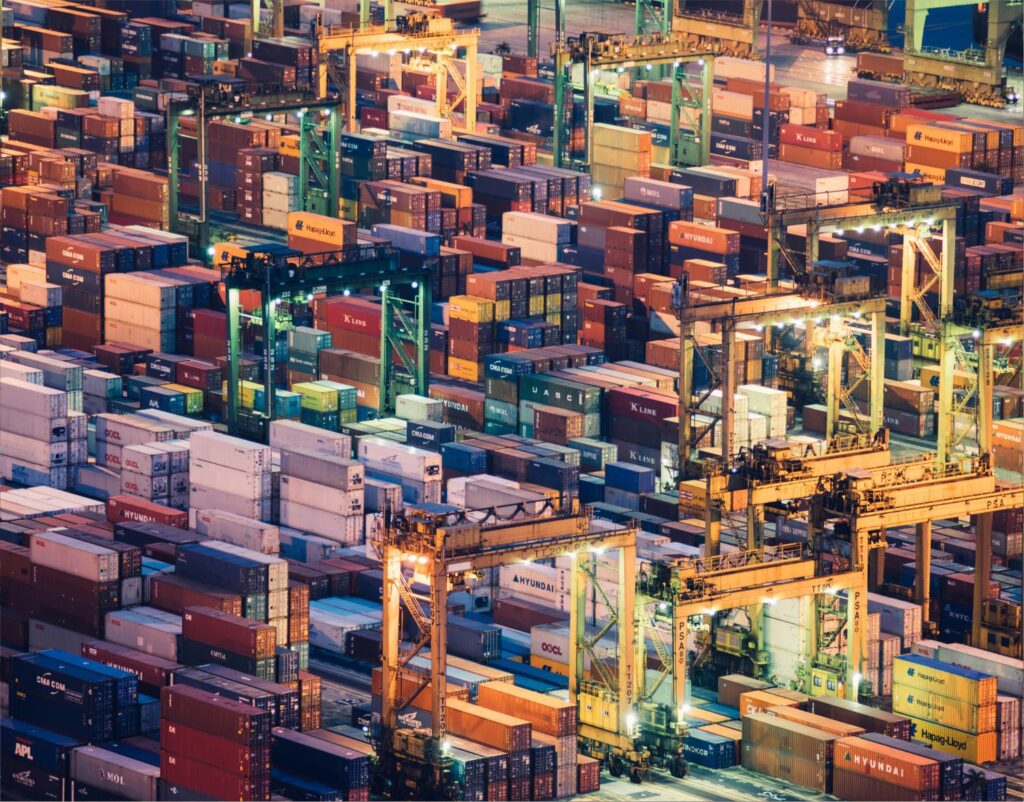
Sustainability is another important benefit of digital supply chain solutions. With better visibility and data-driven insights, companies can monitor carbon emissions, reduce waste, and improve energy efficiency. Digital tools help track sustainable sourcing, optimize transportation routes, and support compliance with environmental regulations. This not only reduces environmental impact but also enhances brand reputation and customer trust.
Customer experience also improves through digital supply chains. Faster order processing, accurate delivery timelines, and real-time tracking create a more reliable and transparent experience for customers. Businesses can meet rising expectations for speed and reliability while maintaining cost efficiency.
Despite the advantages, successful implementation of digital supply chain solutions requires careful planning. Data security, system integration, employee training, and change management are critical factors. Organizations must ensure that digital tools align with business goals and are supported by skilled teams.
In conclusion, digital supply chain solutions are transforming how businesses manage complex networks and deliver value. By leveraging automation, analytics, cloud platforms, and real-time data, companies can build supply chains that are efficient, resilient, and customer-centric. As global markets continue to evolve, digital supply chains will be essential for long-term competitiveness and sustainable growth.