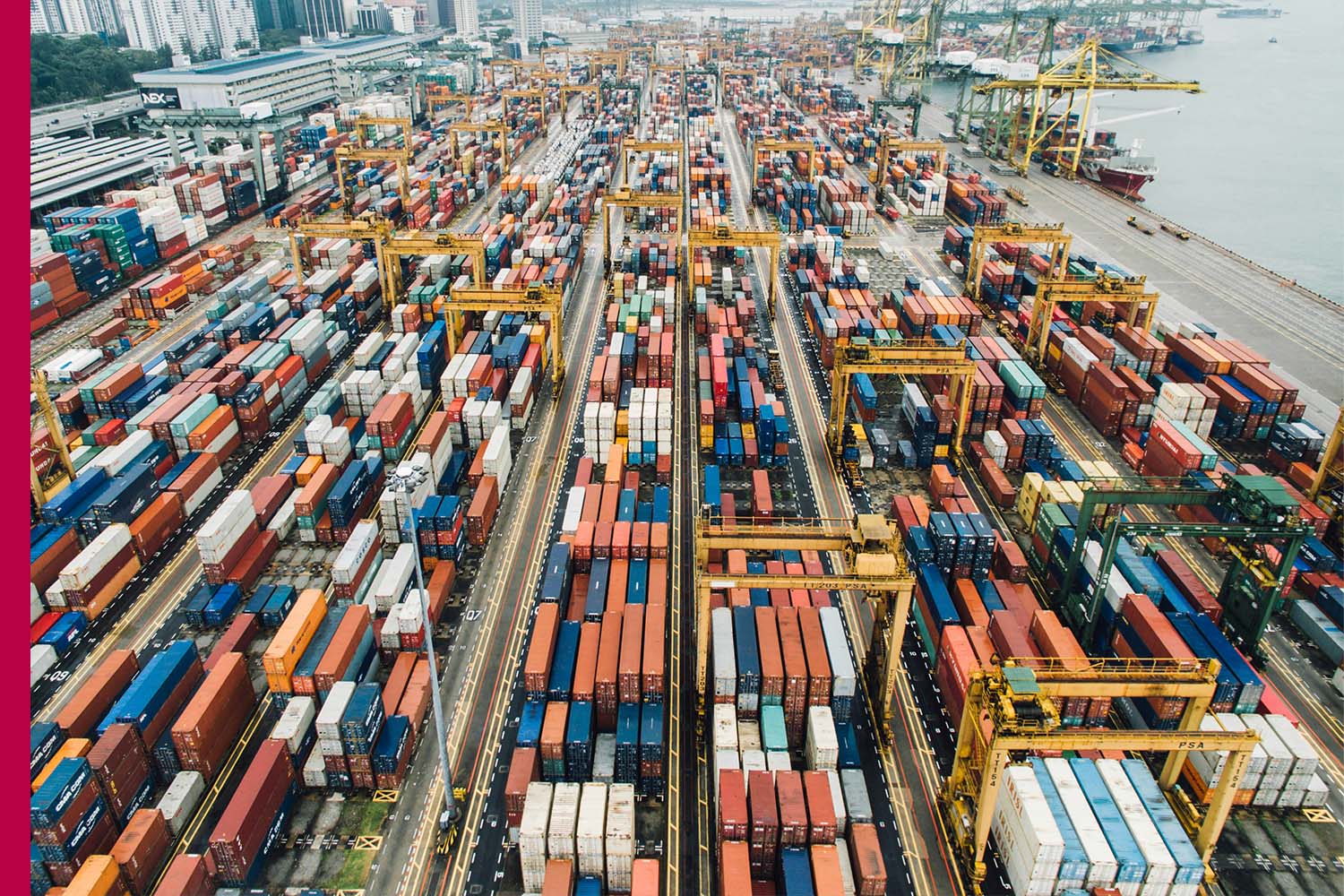



In today’s interconnected global economy, supply chains are becoming increasingly complex, involving multiple stakeholders across countries and continents. From raw material sourcing to final product delivery, maintaining transparency, efficiency, and trust remains a significant challenge. Blockchain in supply chain management has emerged as a transformative solution, offering improved traceability, security, and operational efficiency across the value chain.
Blockchain is a decentralized digital ledger technology that records transactions securely and immutably across a distributed network. Unlike traditional databases controlled by a single entity, blockchain ensures that all participants in the network have access to the same verified data in real time. Once recorded, transactions cannot be altered without consensus, making the system highly secure and tamper-resistant.
One of the most significant advantages of blockchain in supply chain management is enhanced transparency and traceability. Every transaction—from procurement of raw materials to manufacturing, shipping, and retail can be recorded on the blockchain. This creates a permanent, auditable trail that allows companies to track the origin and journey of products. For example, major corporations like Walmart have implemented blockchain solutions to trace food products quickly and accurately, reducing response time during recalls and improving food safety standards.
Blockchain also strengthens trust among supply chain partners. In traditional supply chains, data silos and lack of visibility can lead to disputes, delays, and inefficiencies. By providing a shared and verified source of truth, blockchain minimizes discrepancies and builds confidence among manufacturers, suppliers, logistics providers, and retailers. Technology leaders such as IBM have developed blockchain platforms tailored specifically for supply chain collaboration, enabling secure data exchange and streamlined operations.
Another key benefit is the automation of processes through smart contracts. Smart contracts are self-executing agreements coded onto the blockchain that automatically trigger actions when predefined conditions are met. For example, payment can be automatically released once goods are delivered and verified. This reduces paperwork, administrative costs, and the risk of human error while accelerating transaction cycles.
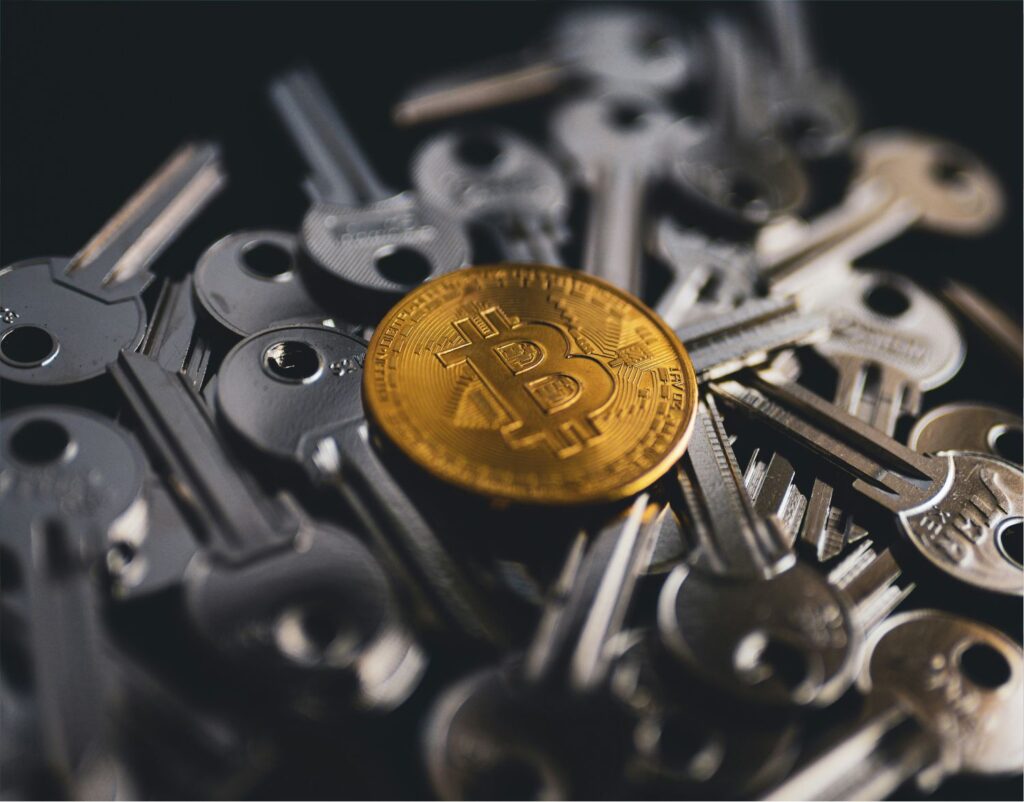
Blockchain technology also enhances fraud prevention and compliance. Counterfeit goods and document manipulation are major concerns in global trade. By recording product information, certifications, and shipping details on an immutable ledger, blockchain reduces the likelihood of fraud. Additionally, regulatory compliance becomes easier as authorities can access transparent records when required, improving accountability and governance.
Despite its potential, implementing blockchain in supply chain management comes with challenges. Integration with existing systems, scalability issues, data privacy concerns, and the need for industry-wide adoption can slow progress. Successful implementation requires collaboration among stakeholders, clear governance frameworks, and investment in digital infrastructure.
Looking ahead, blockchain is expected to integrate with other emerging technologies such as Internet of Things (IoT), artificial intelligence, and advanced analytics. IoT sensors can feed real-time data into blockchain networks, further improving visibility and accuracy. This convergence will enable smarter, more responsive supply chains capable of adapting to disruptions and market changes.
In conclusion, blockchain in supply chain management offers a powerful approach to enhancing transparency, efficiency, and trust. By enabling secure data sharing, improving traceability, and automating transactions, blockchain is redefining how global supply networks operate. As adoption grows and technological barriers are addressed, blockchain is set to become a cornerstone of modern, resilient supply chain ecosystems.