



In recent years, there has been a significant shift toward healthier lifestyles, leading to the rapid rise of fitness and sports culture worldwide. What was once considered a niche interest has now become a mainstream movement, influencing people of all age groups. This transformation is driven by increasing health awareness, lifestyle changes, and the growing influence of digital media and fitness communities.
One of the primary reasons behind the rise of fitness culture is the increasing awareness of physical and mental well-being. Sedentary lifestyles, work-related stress, and lifestyle diseases such as obesity and diabetes have encouraged individuals to prioritize health. People are now more conscious about maintaining a balanced lifestyle that includes regular exercise, proper nutrition, and mental wellness practices.
The influence of sports personalities and global icons has also played a crucial role in promoting fitness. Athletes like Virat Kohli have inspired millions with their dedication to fitness and discipline. Their influence extends beyond sports, encouraging fans to adopt healthier habits and active lifestyles.
Digital platforms and technology have significantly contributed to the growth of fitness culture. Fitness apps, online workout programs, and virtual training sessions have made it easier for people to stay active without the need for a gym. Platforms such as Nike Training Club offer guided workouts, personalized plans, and progress tracking, making fitness more accessible and engaging.
The rise of social media has further amplified this trend. Fitness influencers, trainers, and enthusiasts share workout routines, diet plans, and motivational content, creating a strong online community. This digital engagement not only spreads awareness but also encourages accountability and consistency among individuals.
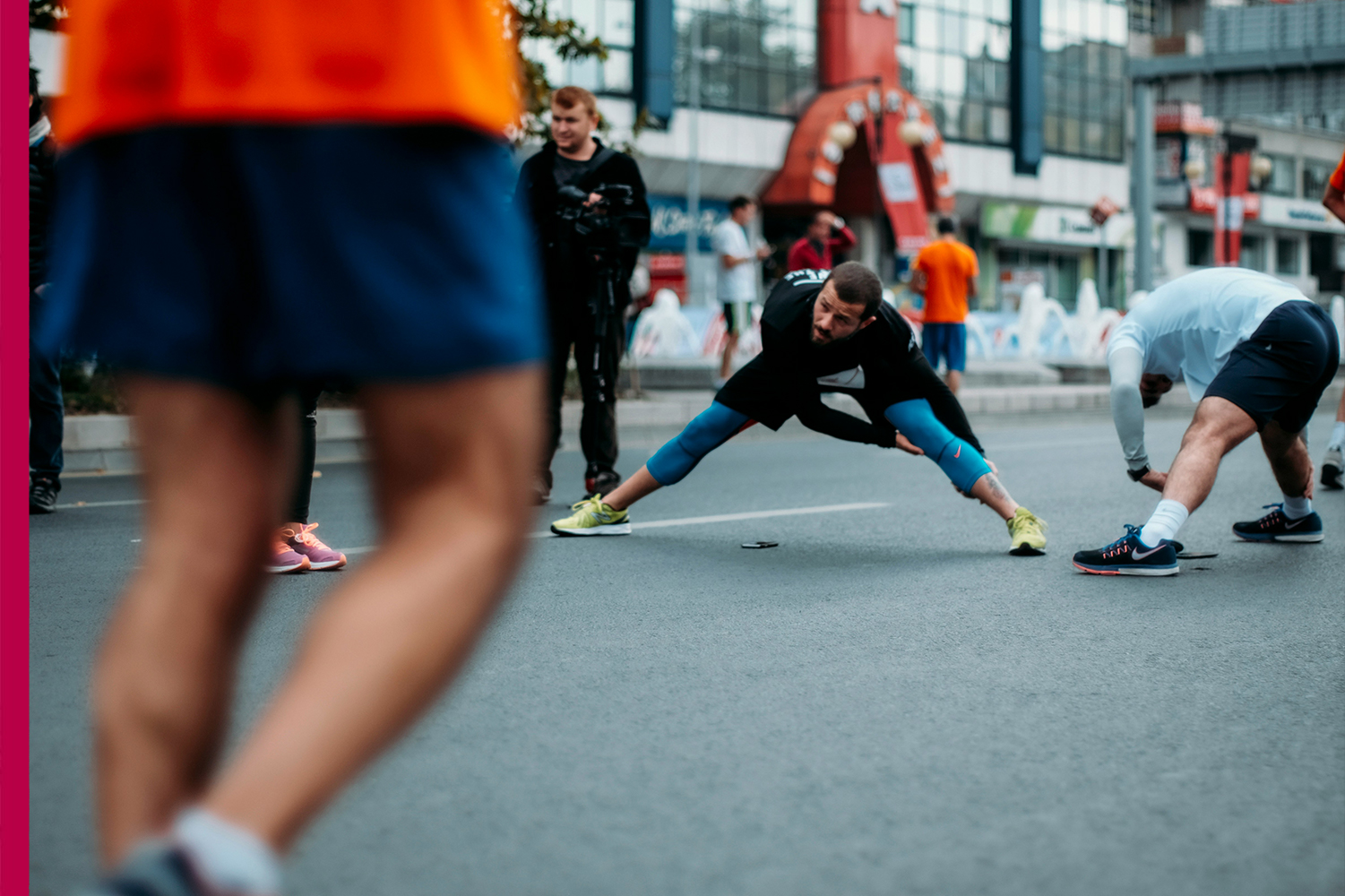
Another important factor is the growing popularity of sports as a recreational activity. People are increasingly participating in activities such as running, cycling, swimming, and team sports. Marathons, fitness challenges, and sports events are gaining traction, promoting an active lifestyle and community participation.
In India, the fitness and sports culture is expanding rapidly, especially among the younger population. Urbanization, rising disposable incomes, and increased exposure to global trends are driving this shift. Fitness centers, yoga studios, and sports academies are witnessing increased demand, reflecting a growing commitment to health and wellness.
Corporate wellness programs are also contributing to this trend. Many organizations are encouraging employees to adopt healthy habits by offering gym memberships, wellness workshops, and fitness challenges. This not only improves employee health but also enhances productivity and morale.
The integration of mental wellness into fitness routines is another emerging trend. Practices such as yoga, meditation, and mindfulness are being incorporated into daily routines to manage stress and improve overall well-being. This holistic approach emphasizes the importance of both physical and mental health.
Despite its growth, the fitness culture faces challenges such as lack of consistency, misinformation, and unrealistic expectations driven by social media. It is important for individuals to follow scientifically backed practices and seek professional guidance when needed.
Looking ahead, the future of fitness and sports culture appears promising. Innovations such as wearable fitness devices, virtual reality workouts, and personalized training programs are expected to further enhance the experience. As awareness continues to grow, fitness will become an integral part of everyday life rather than just a trend.
In conclusion, the rise of fitness and sports culture reflects a positive shift toward healthier living. By embracing physical activity, balanced nutrition, and mental wellness, individuals are taking control of their health. This growing movement is not only improving quality of life but also shaping a more active and health-conscious society.