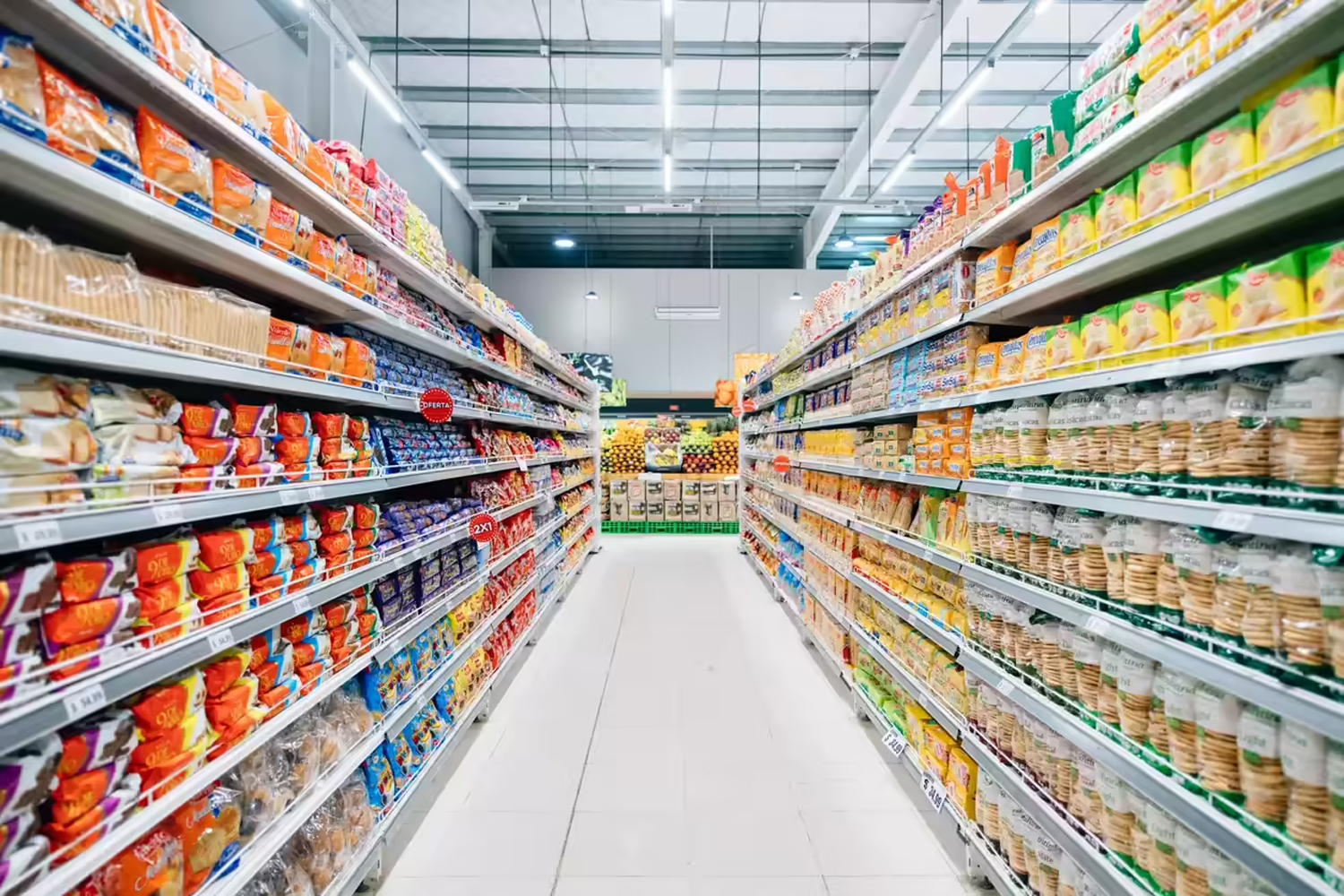



In today’s fast-paced and highly competitive market, retail businesses must ensure that their supply chains are efficient, responsive, and cost-effective. Supply chain optimization plays a critical role in helping retailers meet customer demands, reduce operational costs, and improve overall performance. By leveraging advanced technologies and strategic planning, retailers can streamline operations and gain a competitive edge in the marketplace.
One of the key components of retail supply chain optimization is demand forecasting. Accurate forecasting helps businesses predict customer demand and adjust inventory levels accordingly. Using data analytics and historical sales data, retailers can minimize stock shortages and avoid overstocking. Advanced tools powered by Artificial Intelligence enable more precise predictions by analyzing patterns and trends, leading to better decision-making.
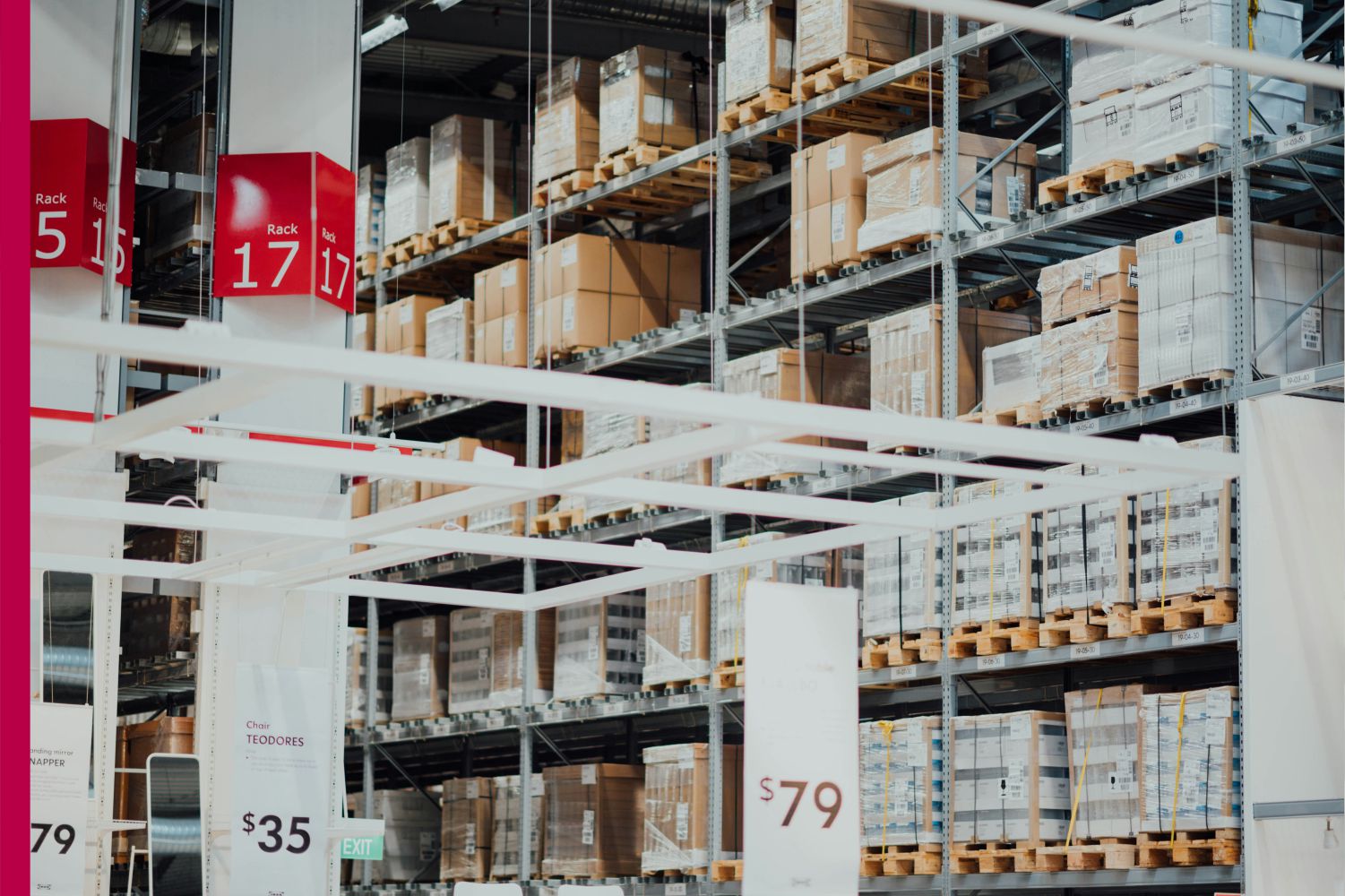
Inventory management is another crucial aspect of supply chain optimization. Efficient inventory systems ensure that products are available when customers need them while minimizing storage costs. Techniques such as just-in-time inventory help reduce excess stock and improve cash flow. Retailers also use automated inventory tracking systems to monitor stock levels in real time, ensuring better control and visibility across the supply chain.
Warehouse management is also evolving with the adoption of automation and smart technologies. Modern warehouses use robotics, automated sorting systems, and digital tracking tools to improve efficiency and reduce human error. These technologies speed up order processing, improve accuracy, and enhance overall productivity. Optimized warehouse operations contribute significantly to faster order fulfillment and improved customer satisfaction.
Transportation and logistics are critical elements of the retail supply chain. Efficient transportation planning helps reduce delivery times and lower shipping costs. Retailers are increasingly using route optimization software and real-time tracking systems to manage their logistics operations. These tools ensure timely deliveries and provide customers with accurate information about their orders.
Another important strategy is supplier relationship management. Building strong relationships with suppliers ensures a reliable flow of goods and reduces the risk of disruptions. Retailers often collaborate closely with suppliers to improve production schedules, maintain quality standards, and negotiate better pricing. Effective communication and transparency are key to maintaining strong supplier partnerships.
The integration of digital technologies is transforming retail supply chains. Cloud-based platforms, data analytics, and the Internet of Things (IoT) enable real-time monitoring and data sharing across different stages of the supply chain. These technologies provide valuable insights into operations, helping retailers identify inefficiencies and implement improvements quickly.
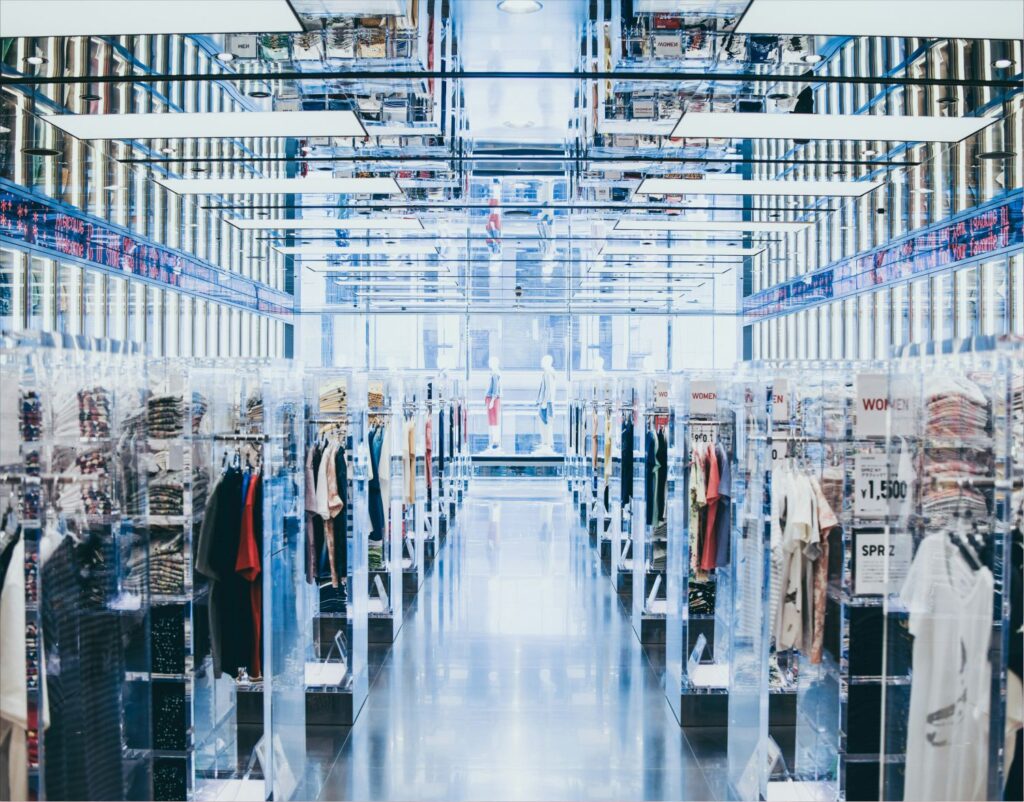
Customer expectations are also shaping supply chain strategies. Modern consumers demand fast delivery, accurate order tracking, and seamless shopping experiences. To meet these expectations, retailers are adopting omnichannel strategies that integrate online and offline operations. This approach allows customers to shop through multiple channels, such as websites, mobile apps, and physical stores, while ensuring a consistent experience.
Sustainability is becoming an important consideration in supply chain optimization. Retailers are focusing on reducing waste, minimizing carbon emissions, and adopting eco-friendly practices. Efficient transportation, sustainable packaging, and responsible sourcing contribute to a greener supply chain and enhance brand reputation.
Despite the benefits, optimizing retail supply chains can be challenging. Factors such as demand fluctuations, global disruptions, and rising costs can impact operations. Retailers must remain flexible and adaptable to address these challenges effectively.
In conclusion, retail supply chain optimization is essential for improving efficiency, reducing costs, and enhancing customer satisfaction. By leveraging advanced technologies, improving inventory management, and adopting sustainable practices, retailers can build resilient and responsive supply chains. As the retail landscape continues to evolve, optimized supply chains will play a vital role in driving business success and growth.