


In today’s competitive retail landscape, consumers expect a smooth and consistent shopping experience across multiple platforms. Whether browsing online, shopping in-store, or using a mobile app, customers want convenience, personalization, and flexibility. This shift in consumer behavior has led to the rise of omnichannel retail strategies, which integrate all sales and communication channels into one unified system.
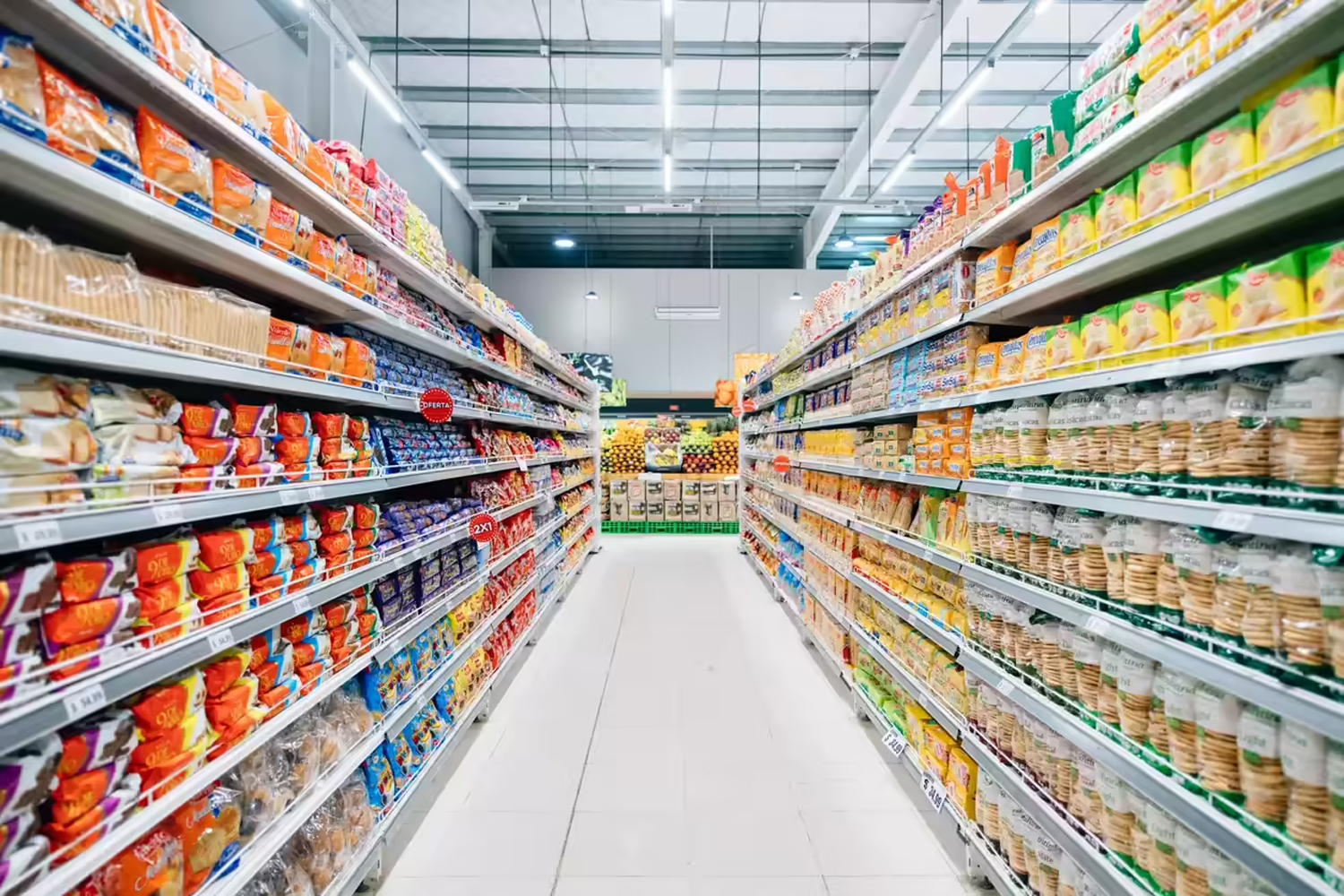
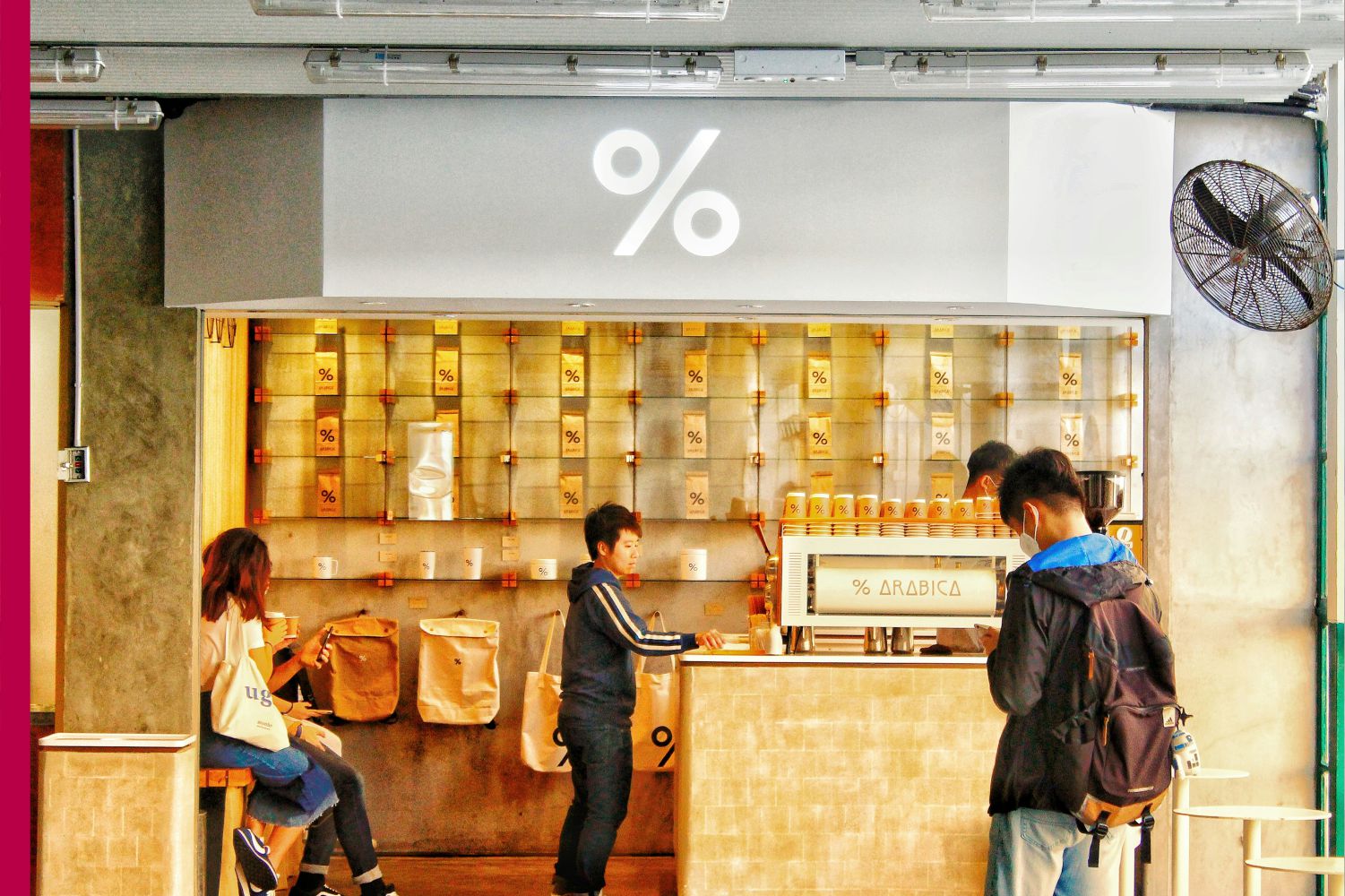
Omnichannel retail goes beyond simply having both physical and online stores. It focuses on connecting every customer touchpoint websites, mobile apps, social media, marketplaces, and brick-and-mortar outlets into a seamless ecosystem. The goal is to provide customers with a consistent brand experience regardless of how or where they shop.
One of the key elements of an effective omnichannel strategy is integrated inventory management. Retailers must ensure real-time visibility of stock across all channels. This allows customers to check product availability online before visiting a store or choose options like “buy online, pick up in store” (BOPIS). Such flexibility enhances convenience and reduces delivery waiting times, improving overall customer satisfaction.
Personalization plays a major role in omnichannel success. By collecting and analyzing customer data from various touchpoints, retailers can understand shopping behavior, preferences, and purchase history. This data enables businesses to deliver personalized recommendations, targeted promotions, and customized offers. Personalized experiences increase customer engagement and foster long-term loyalty.
Mobile commerce is another crucial component of omnichannel retail strategies. With the widespread use of smartphones, consumers frequently browse and purchase products through mobile apps and websites. Retailers must optimize their digital platforms for mobile users by ensuring fast loading speeds, secure payment gateways, and user-friendly interfaces. Mobile apps can also offer exclusive deals, loyalty rewards, and push notifications to keep customers engaged.
Social media integration has become essential in modern retail. Platforms such as Instagram, Facebook, and TikTok allow brands to showcase products, run advertisements, and even enable direct purchases through social commerce features. Social media not only drives traffic but also strengthens brand identity and customer relationships.

In-store technology further enhances omnichannel experiences. Digital kiosks, QR codes, and interactive displays help customers access product information, reviews, and online catalogs while shopping physically. Some retailers use data-driven tools to analyze foot traffic and improve store layouts, creating a more engaging shopping environment.
Efficient logistics and fulfillment systems are vital to support omnichannel strategies. Fast and reliable delivery options, easy returns, and transparent tracking systems build trust and convenience. Many retailers are investing in advanced supply chain technologies to streamline operations and reduce delays.
Customer service must also be consistent across channels. Whether a customer contacts the brand via email, live chat, social media, or in-store assistance, the response should be prompt and aligned with the brand’s voice. Integrated customer relationship management (CRM) systems help maintain communication history and ensure smooth interactions.
In conclusion, omnichannel retail strategies are transforming the shopping experience by blending physical and digital channels into a unified journey. By focusing on integration, personalization, mobile optimization, and efficient logistics, retailers can meet evolving consumer expectations and build lasting brand loyalty. In a rapidly changing retail environment, adopting an effective omnichannel approach is no longer optional—it is essential for sustainable growth and competitive success.