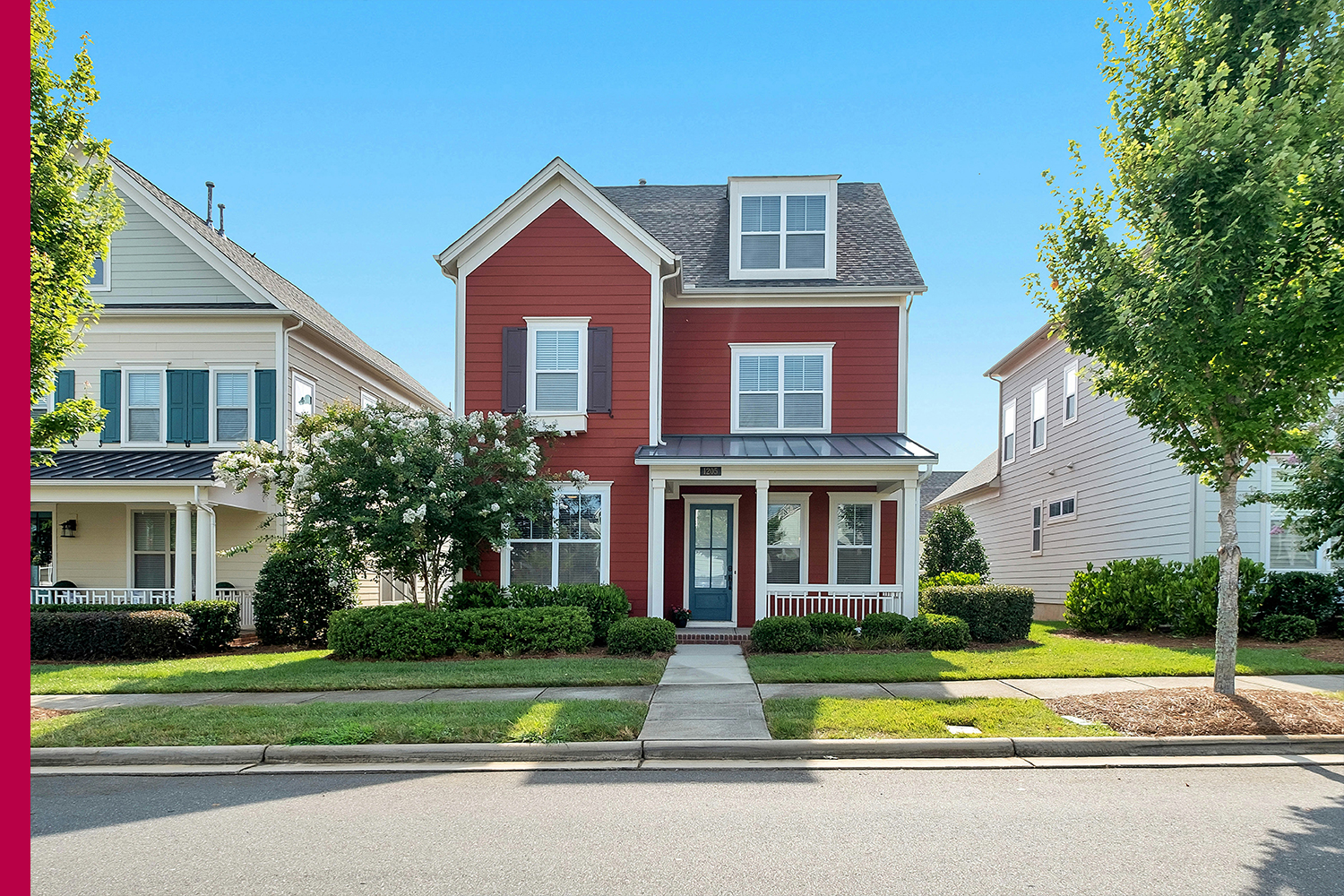





Real estate has always been one of the most dynamic and influential sectors in the global economy. It is more than just buying and selling property—it represents development, investment, and the very foundation of modern life. From residential homes and commercial spaces to industrial zones and smart cities, the real estate industry shapes the way people live, work, and connect.
In essence, real estate refers to land and any permanent structures attached to it, such as buildings, houses, or factories. The industry can be broadly divided into four major categories: residential, commercial, industrial, and land. Residential real estate includes housing for individuals and families, while commercial real estate covers offices, malls, and retail spaces. Industrial real estate supports manufacturing and logistics, and land real estate involves undeveloped or agricultural property. Each of these segments plays a vital role in economic growth, employment, and urban development.
In recent years, the real estate market has undergone rapid transformation. Urbanization, population growth, and technological innovation have created new trends and opportunities. Cities are expanding, infrastructure is improving, and the demand for quality housing is increasing. The rise of smart cities—powered by digital connectivity, sustainability, and efficient design—has redefined the modern real estate landscape. Developers are now focusing on energy-efficient buildings, eco-friendly materials, and sustainable community planning to meet the growing environmental and social awareness of today’s buyers.

The commercial real estate sector has also evolved dramatically, especially after the global shift toward hybrid work models. Many companies are rethinking office spaces, prioritizing flexibility, collaboration zones, and employee well-being. Meanwhile, the booming e-commerce industry has increased the demand for warehouses and logistics hubs, driving growth in the industrial real estate segment. These changes demonstrate how closely real estate trends are tied to global economic and technological shifts.
For investors, real estate remains one of the most stable and rewarding asset classes. Unlike stocks or bonds, property offers both tangible ownership and long-term value appreciation. Rental income provides consistent cash flow, while capital growth over time enhances wealth. However, successful real estate investment requires careful research, understanding of market trends, and awareness of risks such as fluctuating interest rates, construction delays, and regulatory changes.
Government policies and financial institutions also play a key role in shaping the real estate market. Initiatives such as affordable housing schemes, smart city missions, and tax incentives encourage development and make property ownership more accessible. In countries like India, the real estate sector has emerged as a major contributor to GDP and employment, second only to agriculture. With continued economic growth and infrastructure investment, the future of real estate looks promising.
Technology is another game-changer in this industry. Virtual tours, digital transactions, and AI-driven property valuation tools are making the buying and selling process faster and more transparent. Blockchain and smart contracts are also gaining attention for their potential to simplify property documentation and reduce fraud.
In conclusion, real estate is more than an industry—it is the heartbeat of development and progress. It connects people with spaces, fuels economies, and reflects changing lifestyles and aspirations. As sustainability, innovation, and inclusivity continue to shape the future, real estate will remain a cornerstone of opportunity and growth in the years to come.