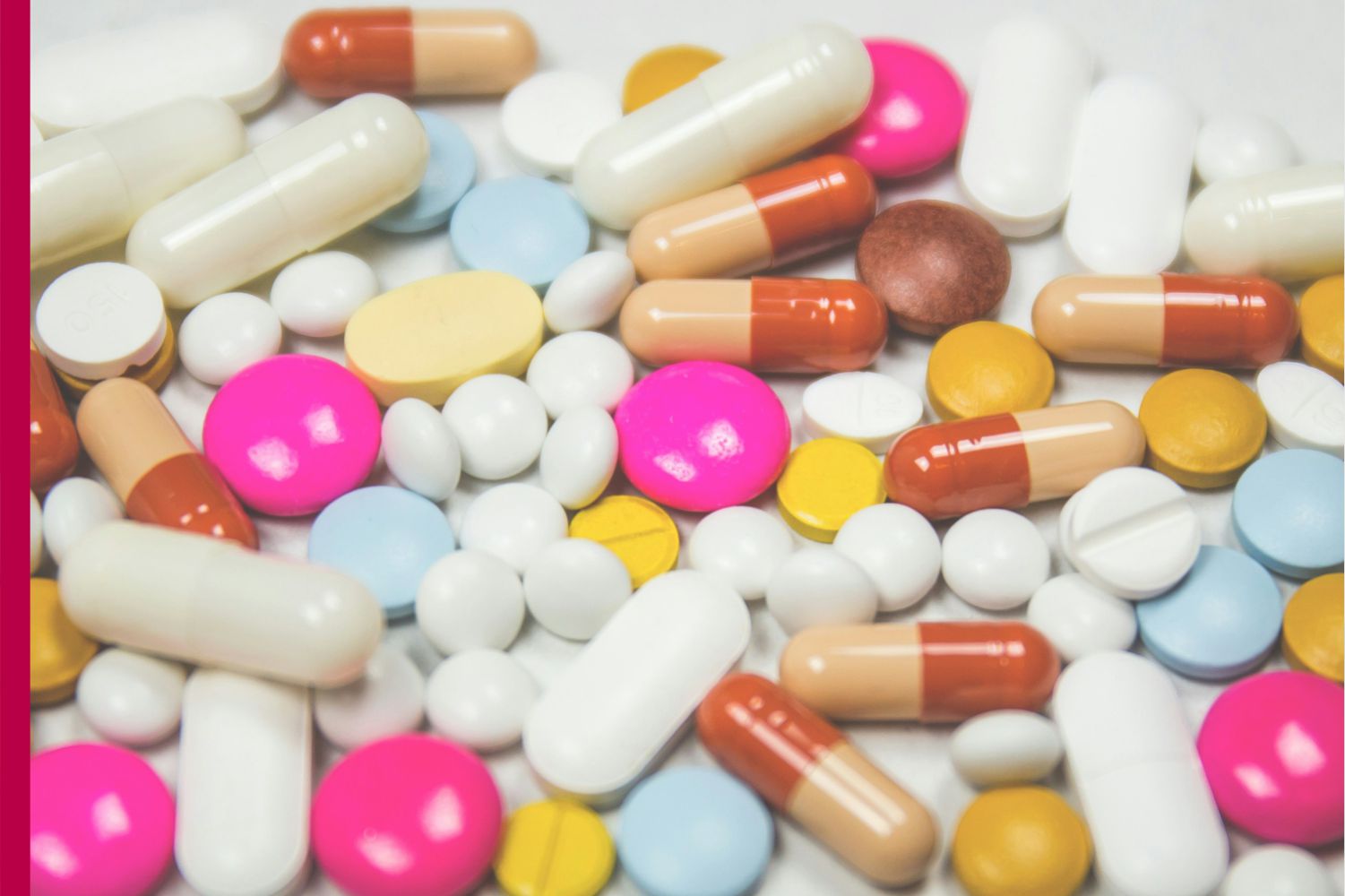








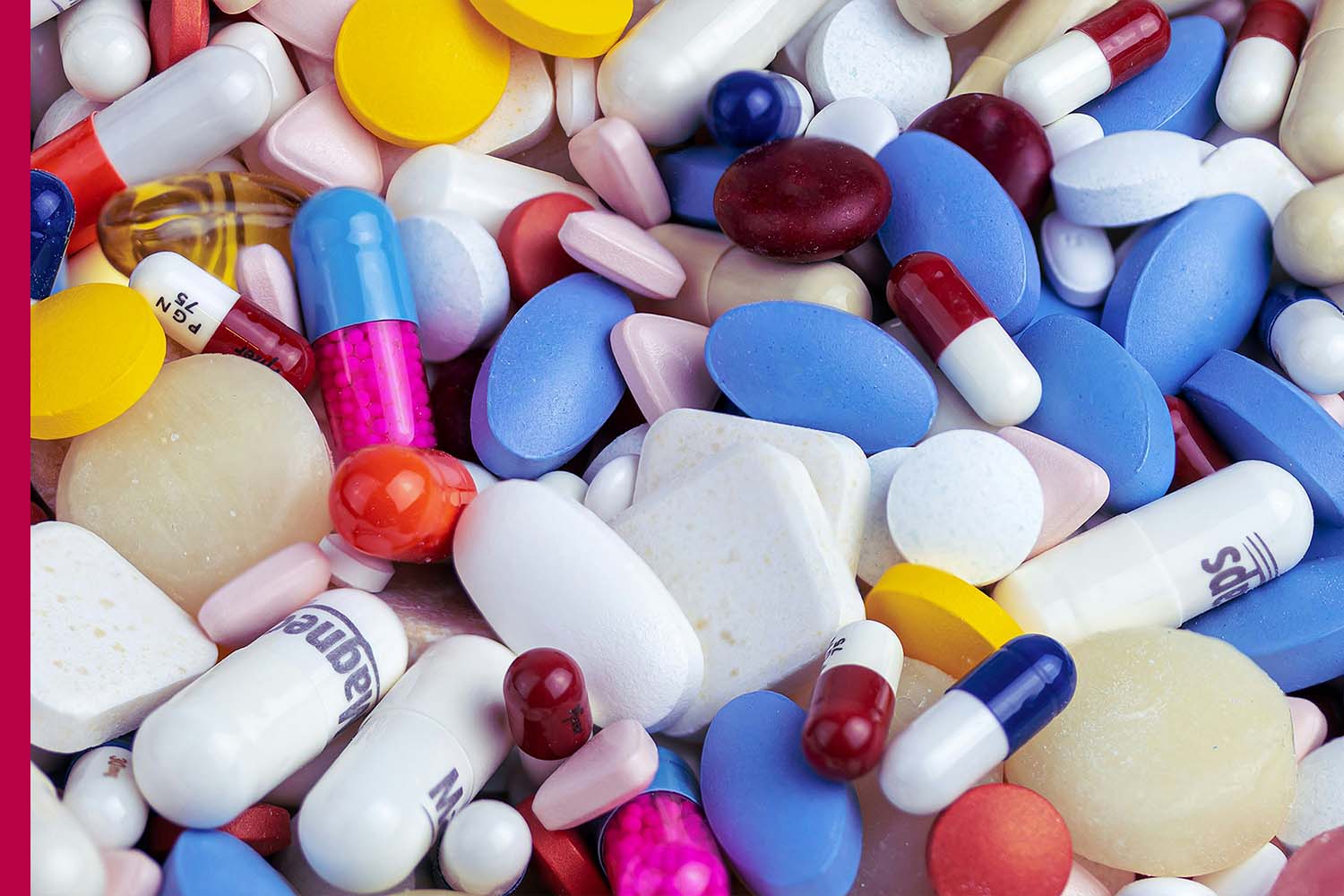
The pharmaceutical industry plays a vital role in modern society, standing at the intersection of science, technology, and human well-being. It is the driving force behind the discovery, development, and distribution of medicines that prevent diseases, save lives, and improve health worldwide. From pain relievers to complex cancer therapies, pharmaceuticals have reshaped the way we understand and manage health, contributing immensely to the increase in global life expectancy and quality of life.
The journey of a medicine—from research to reaching patients—is long, complex, and highly regulated. It begins with scientific research and drug discovery, where researchers identify potential compounds that can treat or prevent diseases. This phase involves years of laboratory experiments, preclinical trials, and careful analysis. Once a promising compound is found, it undergoes clinical trials, where its safety, dosage, and effectiveness are tested on humans. Only after passing multiple phases of rigorous testing and receiving approval from health authorities like the World Health Organization (WHO) or national regulatory bodies can a drug be made available to the public.
Pharmaceuticals have contributed to some of the most significant breakthroughs in medical history. The discovery of antibiotics like penicillin revolutionized healthcare, saving millions of lives from infections that were once fatal. Vaccines have eradicated deadly diseases such as smallpox and drastically reduced cases of polio, measles, and influenza. Modern pharmaceuticals have made it possible to manage chronic conditions such as diabetes, hypertension, and asthma, allowing patients to lead healthier and longer lives.

In recent years, biotechnology and genetic research have opened new doors for the pharmaceutical industry. Personalized medicine, for instance, tailors treatments to individual patients based on their genetic makeup, leading to more effective results and fewer side effects. Innovations in nanotechnology, artificial intelligence, and data analytics are accelerating drug development and making it more precise. These advancements have proven especially vital in responding to global health crises, such as the rapid creation of COVID-19 vaccines that demonstrated the power of global collaboration and scientific innovation.
The economic impact of the pharmaceutical sector is equally significant. It generates millions of jobs worldwide and contributes heavily to global research and development investments. Moreover, it supports public health programs, drives healthcare innovation, and partners with governments to improve accessibility and affordability of essential medicines.
However, the industry also faces challenges. High costs of research, strict regulations, and ethical concerns about drug pricing often spark debate. Ensuring that life-saving medicines are accessible to all—especially in developing countries—remains a global priority. Counterfeit drugs and overuse of antibiotics are additional threats that require strong policies and awareness campaigns.
Sustainability and transparency are becoming increasingly important in the pharmaceutical landscape. Companies are adopting greener manufacturing processes, reducing waste, and ensuring ethical clinical practices. The focus is shifting toward a more patient-centric approach, where the goal is not only to treat diseases but also to enhance overall wellness and preventive care.
In conclusion, the pharmaceutical industry stands as one of humanity’s greatest achievements, blending science and compassion to enhance life. It continues to evolve, tackling new health challenges with innovation and dedication. As technology advances and global collaboration strengthens, pharmaceuticals will remain at the heart of a healthier and more hopeful future for all.