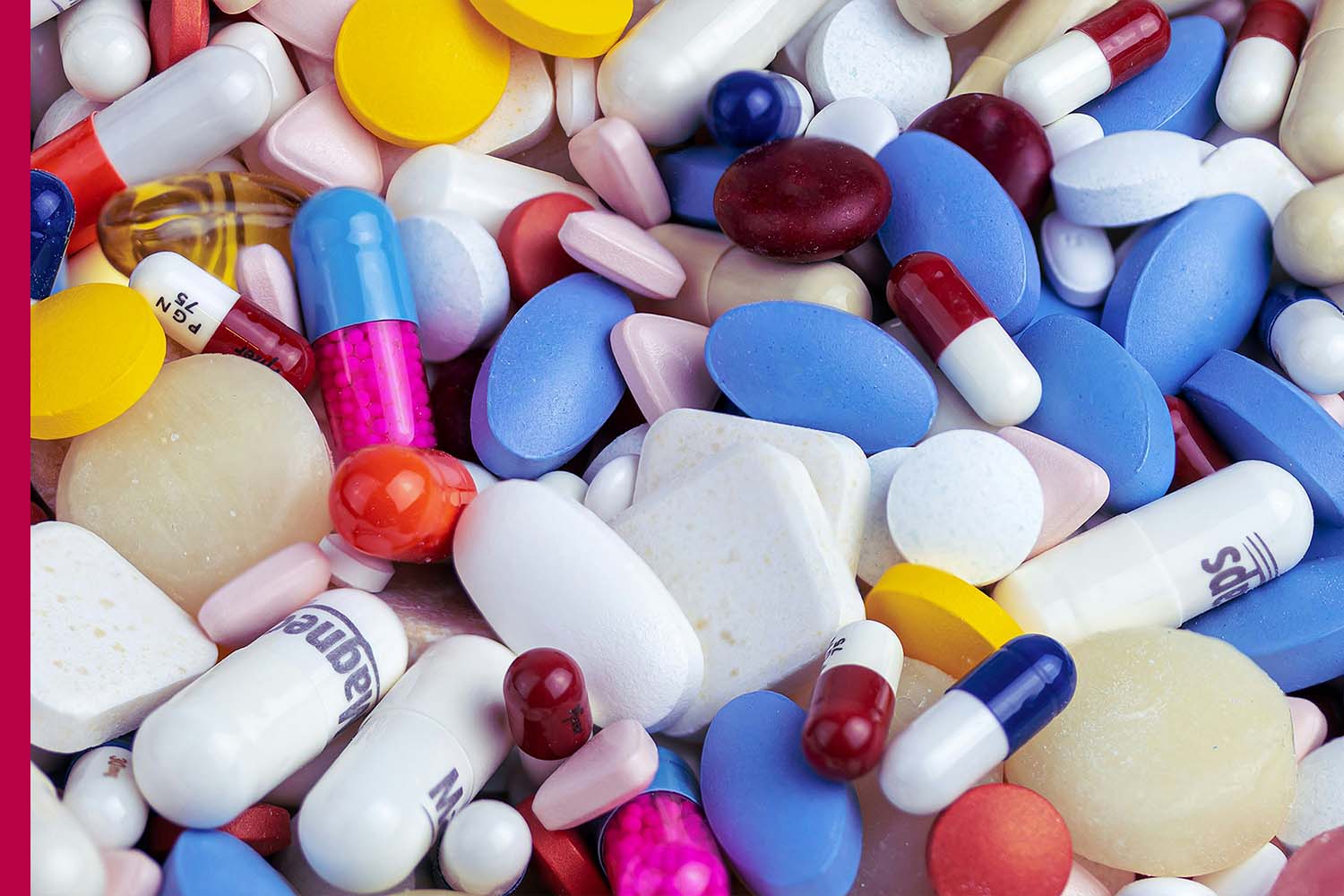





Medicine discovery is a complex and carefully structured process that transforms scientific ideas into life-saving treatments. From identifying a disease target to delivering a safe and effective drug to patients, the journey of medicine discovery combines biology, chemistry, technology, and clinical research. Modern medicine discovery methods have evolved significantly, increasing precision, speed, and success rates.
The first step in medicine discovery is target identification and validation. Scientists study diseases at the molecular and cellular levels to identify specific targets such as proteins, genes, or enzymes that play a key role in disease progression. Once a target is identified, it must be validated to confirm that modifying it will produce a therapeutic effect without causing serious side effects.
Next comes lead compound discovery. Researchers search for chemical or biological compounds that can interact with the chosen target. This can be done through high-throughput screening, where thousands of compounds are tested quickly using automated systems. Natural sources such as plants, microbes, and marine organisms also play an important role, as many medicines have been derived from natural compounds. Advances in computational chemistry now allow virtual screening, reducing time and cost by predicting which compounds are most promising.
Once potential compounds are identified, they undergo lead optimization. During this stage, scientists modify the chemical structure to improve effectiveness, reduce toxicity, and enhance stability. Factors such as absorption, distribution, metabolism, and excretion are carefully analyzed to ensure the drug performs well inside the human body. This step is crucial for turning a promising compound into a viable medicine.
Preclinical testing follows lead optimization. In this phase, drugs are tested in laboratory settings and on animal models to evaluate safety, dosage, and biological activity. Preclinical studies help identify potential risks and determine whether a compound is suitable for human trials. Only candidates that pass strict safety standards move forward.

The next stage is clinical trials, which are conducted in multiple phases. Phase I trials focus on safety and dosage in a small group of healthy volunteers. Phase II trials test effectiveness and side effects in patients with the targeted disease. Phase III trials involve large patient populations to confirm efficacy, monitor adverse reactions, and compare the new drug with existing treatments. These trials are essential to ensure patient safety and treatment effectiveness.
In recent years, innovative medicine discovery methods have transformed the industry. Biotechnology and genetic engineering have enabled the development of biologics, such as monoclonal antibodies and gene therapies. Artificial intelligence and machine learning are now used to analyze vast datasets, predict drug behavior, and accelerate discovery timelines. Personalized medicine, which tailors treatments based on an individual’s genetic profile, is also gaining momentum.
In conclusion, medicine discovery methods are the foundation of medical progress. Through a combination of traditional research, advanced technology, and rigorous testing, scientists continue to develop safer and more effective treatments. As innovation advances, medicine discovery will become faster, more precise, and better equipped to address complex diseases, improving healthcare outcomes worldwide.