



The drug development process is a complex, time-consuming, and highly regulated journey that transforms a scientific idea into a safe and effective medicine. This process ensures that new drugs deliver therapeutic benefits while minimizing risks to patients. Understanding how drugs are developed helps explain why bringing a new medicine to market can take many years and require significant investment.
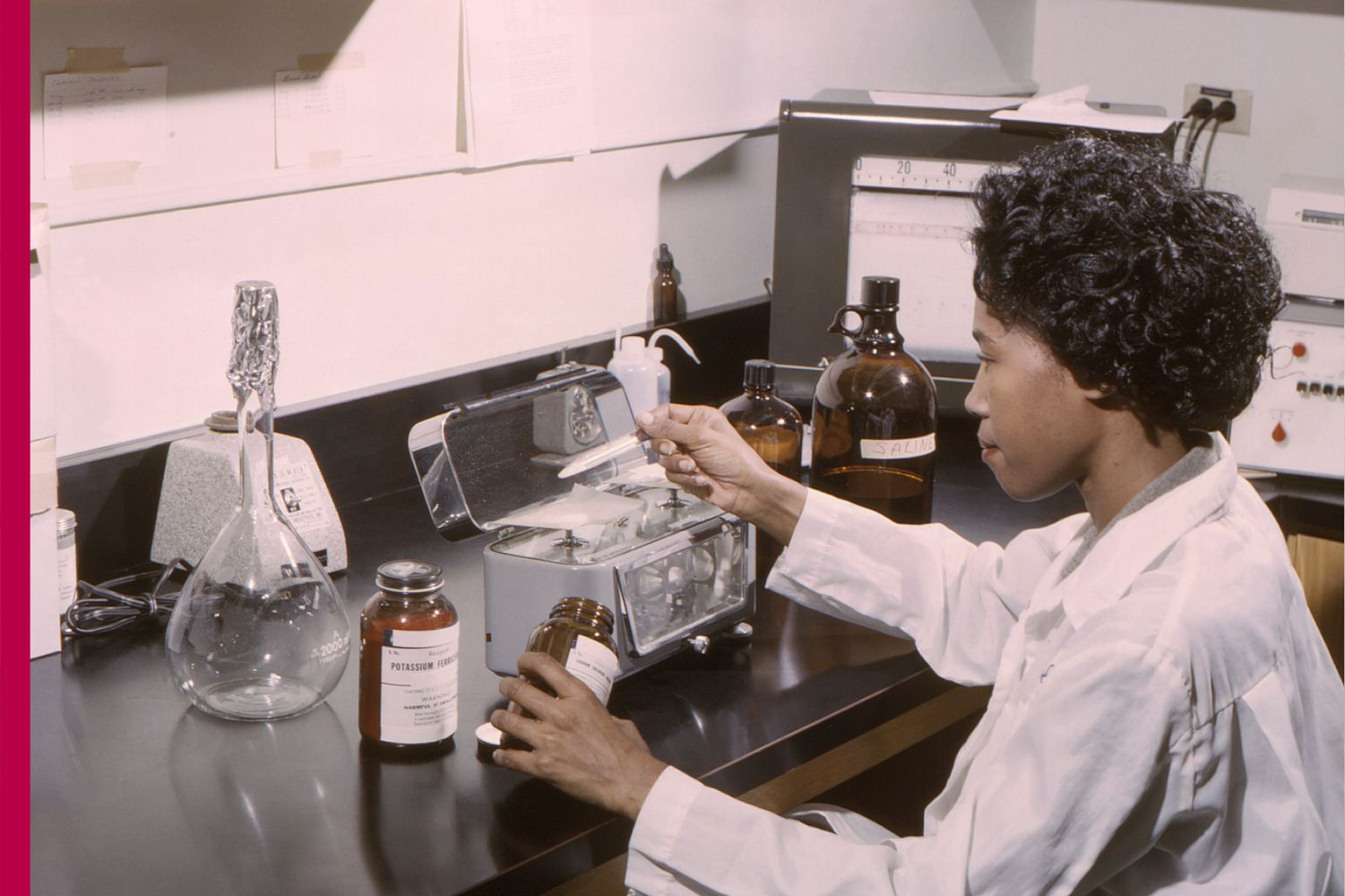
The drug development process begins with drug discovery and research. Scientists first identify a biological target, such as a protein or gene, that plays a role in a disease. Researchers then search for compounds that can interact with this target to produce a desired therapeutic effect. These compounds may come from natural sources, chemical synthesis, or biotechnology methods. Early laboratory testing helps identify promising drug candidates and eliminates those that are ineffective or unsafe.
Once a potential drug candidate is identified, it enters the preclinical testing phase. Preclinical studies are conducted in laboratories and on animals to evaluate the drug’s safety, toxicity, dosage, and biological activity. These studies help researchers understand how the drug behaves in the body and identify potential side effects. Only candidates that demonstrate acceptable safety profiles and therapeutic potential move forward to human testing.
Clinical trials are the most critical and rigorous part of the drug development process. These trials are conducted in multiple phases and involve human volunteers under strict ethical and regulatory oversight. Phase I clinical trials focus on safety and dosage, typically involving a small group of healthy volunteers. Researchers assess how the drug is absorbed, distributed, metabolized, and excreted, while monitoring for adverse effects.
Phase II clinical trials evaluate the drug’s effectiveness and further assess safety in a larger group of patients who have the targeted disease. This phase helps determine whether the drug produces the intended therapeutic effect and identifies optimal dosing levels. Phase II trials also provide additional data on short-term side effects.
Phase III clinical trials involve a much larger patient population and compare the new drug to existing treatments or a placebo. These trials aim to confirm effectiveness, monitor side effects, and collect comprehensive data to support regulatory approval. Phase III trials are often conducted across multiple locations and countries, making them complex and expensive.

If clinical trials demonstrate that the drug is safe and effective, the developer submits a regulatory application to health authorities for approval. Regulatory agencies review all data related to quality, safety, and efficacy before granting permission to market the drug. This review process ensures that the benefits of the drug outweigh its risks for the intended patient population.
After approval, the drug enters the post-marketing phase, also known as Phase IV. In this stage, ongoing monitoring continues to track long-term safety and effectiveness in real-world use. Rare or long-term side effects that may not have appeared during clinical trials can be identified and addressed. Regulatory agencies may update usage guidelines or require additional studies if needed.
The drug development process is lengthy and costly, often taking 10 to 15 years from discovery to market. Despite these challenges, the process is essential for ensuring patient safety and advancing medical innovation. Continuous improvements in technology, data analysis, and regulatory collaboration are helping streamline development timelines.
In conclusion, the drug development process is a carefully structured pathway designed to deliver safe, effective, and high-quality medicines. From early research to post-marketing surveillance, each step plays a vital role in protecting patients and advancing healthcare. Understanding this process highlights the scientific rigor and dedication behind every medicine available today.