




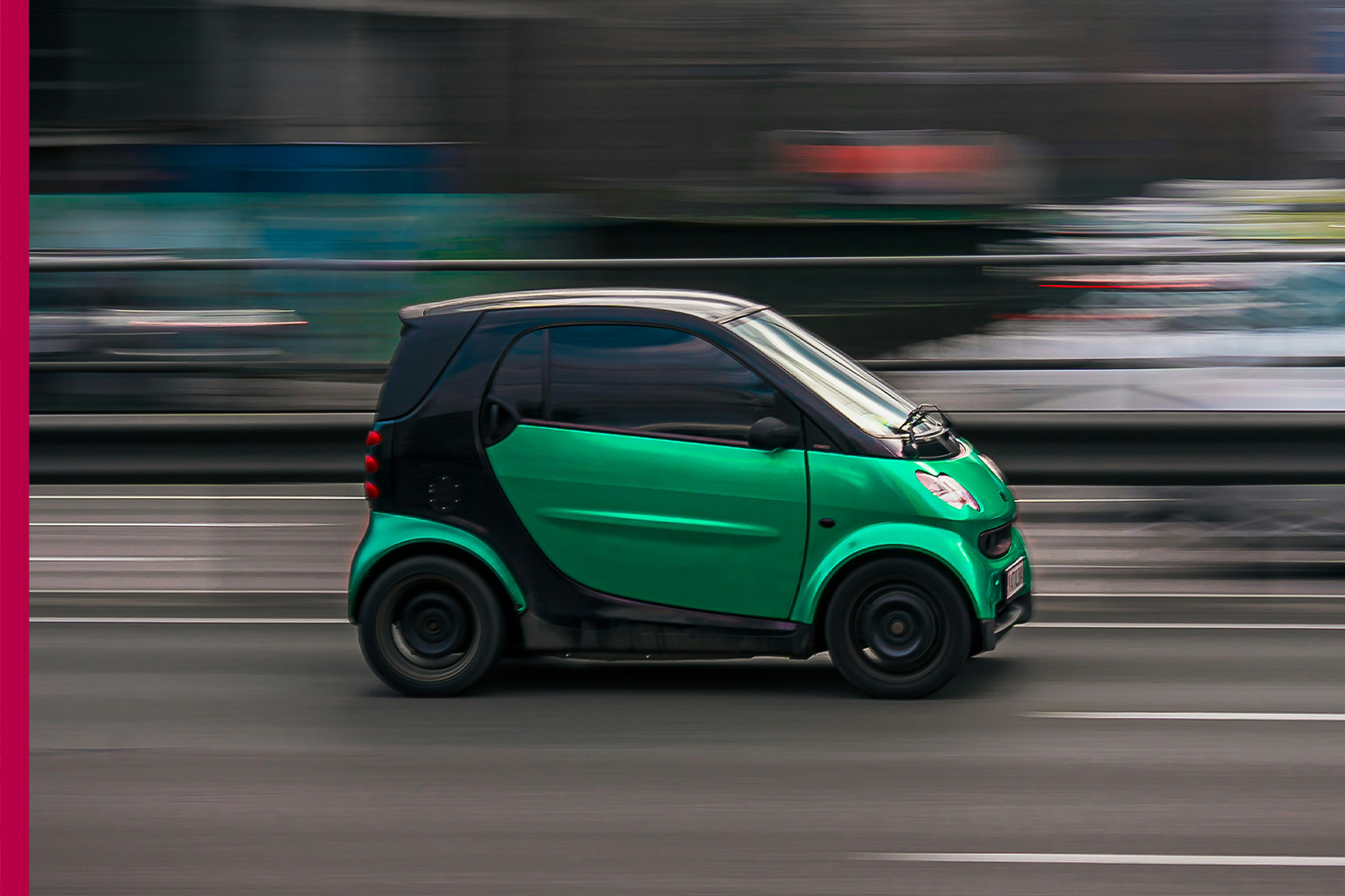



The global transportation landscape is undergoing a significant transformation with the rapid rise of electric mobility. As concerns over climate change, air pollution, and fossil fuel dependency grow, electric vehicles (EVs) are emerging as a sustainable alternative to traditional internal combustion engine vehicles. Governments, businesses, and consumers are increasingly embracing electric mobility as a key solution for cleaner and more efficient transportation.
One of the primary drivers of electric mobility is the need to reduce carbon emissions. Conventional vehicles powered by petrol and diesel are major contributors to air pollution and greenhouse gas emissions. Electric vehicles, on the other hand, produce zero tailpipe emissions, making them environmentally friendly. This shift is crucial in combating climate change and improving air quality, especially in densely populated urban areas.
One of the primary drivers of electric mobility is the need to reduce carbon emissions. Conventional vehicles powered by petrol and diesel are major contributors to air pollution and greenhouse gas emissions. Electric vehicles, on the other hand, produce zero tailpipe emissions, making them environmentally friendly. This shift is crucial in combating climate change and improving air quality, especially in densely populated urban areas.
Government policies and incentives are also fueling the growth of electric mobility. In India, initiatives such as the Faster Adoption and Manufacturing of Hybrid and Electric Vehicles (FAME) scheme provide subsidies and incentives to encourage EV adoption. Tax benefits, reduced registration fees, and investment in charging infrastructure are further supporting the transition to electric transportation.
The expansion of charging infrastructure is another critical factor in the rise of electric mobility. Public and private sectors are investing in charging stations across cities, highways, and residential areas. The availability of fast-charging networks is making it easier for users to charge their vehicles conveniently, boosting confidence in EV adoption.
Automobile manufacturers are playing a key role in driving this shift. Companies like Tesla and Tata Motors are leading the development of innovative electric vehicles with advanced features and competitive pricing. Traditional automakers are also expanding their EV portfolios, reflecting the growing demand for sustainable mobility solutions.
Electric mobility is not limited to cars; it is expanding across various modes of transportation. Electric two-wheelers, buses, and commercial vehicles are gaining popularity, particularly in urban areas. Electric buses, for instance, are being adopted by public transport systems to reduce pollution and operational costs. Similarly, electric scooters and bikes are becoming a preferred choice for short-distance travel.
The economic benefits of electric mobility are also significant. EVs have lower operating and maintenance costs compared to conventional vehicles, as they have fewer moving parts and do not require fuel. This makes them a cost-effective option in the long run. Additionally, the growth of the EV industry is creating new job opportunities in manufacturing, technology, and infrastructure development.
Despite its rapid growth, electric mobility faces challenges. High initial costs, limited charging infrastructure in some regions, and battery disposal concerns are key issues that need to be addressed. Ensuring a reliable supply of raw materials for batteries and developing efficient recycling systems are also important for sustainable growth.
Looking ahead, the future of electric mobility appears promising. Continuous innovation, supportive policies, and increasing consumer awareness are expected to drive further adoption. Integration with renewable energy sources and smart grid systems will enhance the sustainability of electric transportation.
In conclusion, the rise of electric mobility marks a significant step toward a cleaner and more sustainable future. By reducing emissions, lowering costs, and promoting innovation, electric vehicles are transforming the way we travel. As the world moves toward greener alternatives, electric mobility will play a central role in shaping the future of transportation.