




Mobility the ability to move people, goods, and ideas from one place to another has been an essential part of human progress since the dawn of civilization. In ancient times, mobility was not just a matter of convenience; it was the foundation for survival, trade, cultural exchange, and the growth of empires. The way people traveled, transported goods, and connected across regions laid the groundwork for the modern transportation systems we rely on today.
In the earliest periods of human history, mobility began on foot. Nomadic tribes roamed vast landscapes in search of food, water, and shelter. Human migration led to the discovery of new lands and the spread of knowledge, tools, and languages. Over time, people began to domesticate animals, which revolutionized mobility. Horses, donkeys, camels, and oxen became vital for carrying loads and covering long distances efficiently. The domestication of the horse around 4000 BCE in Central Asia marked a major turning point, giving rise to faster communication, hunting expeditions, and even warfare strategies.
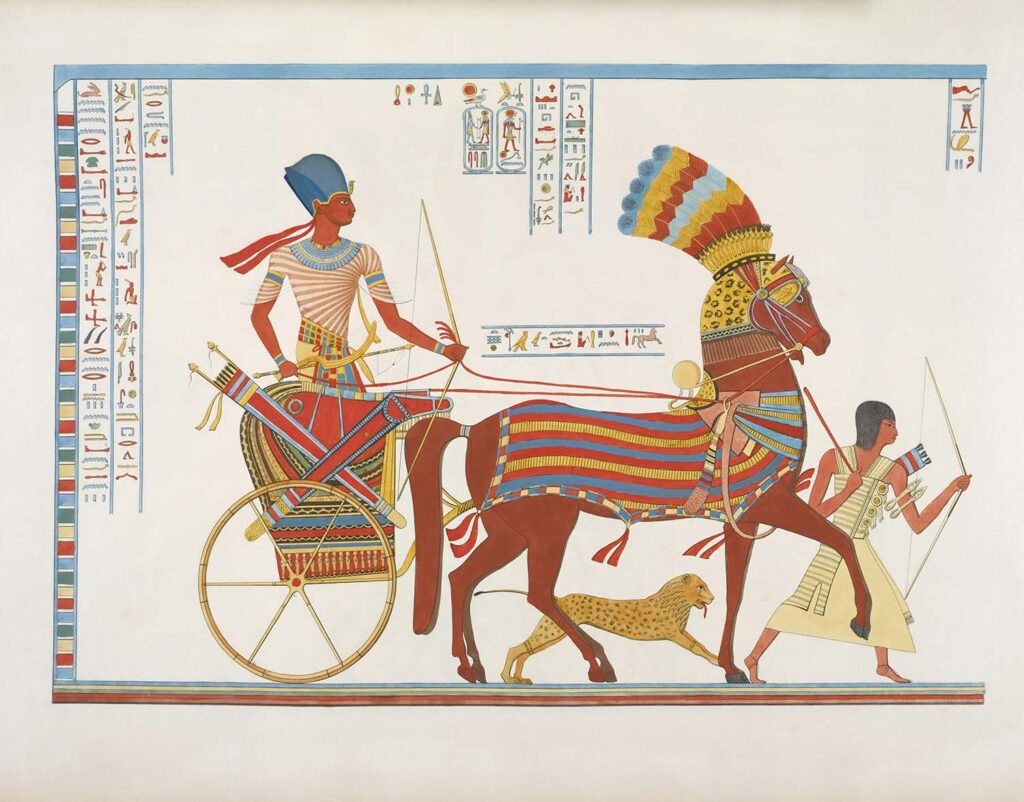
As societies developed, the invention of the wheel transformed human mobility. Believed to have originated around 3500 BCE in Mesopotamia, the wheel enabled the creation of carts and chariots, allowing heavier goods to be transported across land with greater ease. This innovation boosted trade, agriculture, and construction, facilitating the growth of early cities and kingdoms. Roads and pathways were soon developed to support wheeled transport, with the Roman Empire later perfecting the art of road-building—creating a vast network that connected Europe, Asia, and Africa. The famous saying, “All roads lead to Rome,” reflects the importance of this infrastructure in maintaining the empire’s power and communication.
Waterways also played a vital role in ancient mobility. Rivers like the Nile, Tigris, Euphrates, and Indus served as natural highways for trade and travel. Ancient Egyptians, for example, used sailboats to transport goods along the Nile, enabling the exchange of gold, grain, and papyrus. Similarly, the Phoenicians were renowned seafarers who built advanced ships that navigated the Mediterranean Sea, spreading their culture and establishing trade colonies across distant shores. The development of maritime mobility connected civilizations and gave rise to global trade networks long before modern ships existed.
Mobility was not limited to goods and travel—it also influenced culture, religion, and innovation. Pilgrimages, exploration, and migration led to the exchange of ideas, art, and scientific knowledge. The Silk Road, one of the most significant trade routes in ancient history, linked China with the Middle East and Europe. Along its paths traveled not only silk and spices but also philosophies, technologies, and cultural traditions that shaped entire civilizations.
In many ways, ancient mobility was a blend of human ingenuity and adaptation to natural environments. People learned to navigate deserts with caravans, cross mountains using mules, and sail vast oceans guided by the stars. Each innovation in movement expanded human possibilities and interconnected the world a little more.
In conclusion, mobility in ancient times was the driving force behind exploration, cultural exchange, and development. From the first steps of nomads to the grand networks of roads and sea routes, ancient mobility laid the foundation for modern transportation and globalization. It reminds us that human progress has always been fueled by the desire to move—to discover, connect, and grow beyond boundaries.