





Electric mobility is widely seen as a key solution to reducing carbon emissions, improving air quality, and decreasing dependence on fossil fuels. Governments, manufacturers, and consumers around the world are increasingly showing interest in electric vehicles (EVs) and related mobility solutions. However, despite rapid technological progress and growing awareness, the adoption of electric mobility faces several significant challenges that must be addressed to achieve widespread acceptance.
One of the biggest challenges in electric mobility adoption is the high upfront cost of electric vehicles. Although EVs offer lower running and maintenance costs over time, their initial purchase price is often higher than that of conventional internal combustion engine vehicles. Battery costs account for a large portion of this price difference. While prices are gradually decreasing due to technological advancements and economies of scale, affordability remains a major concern for many consumers.
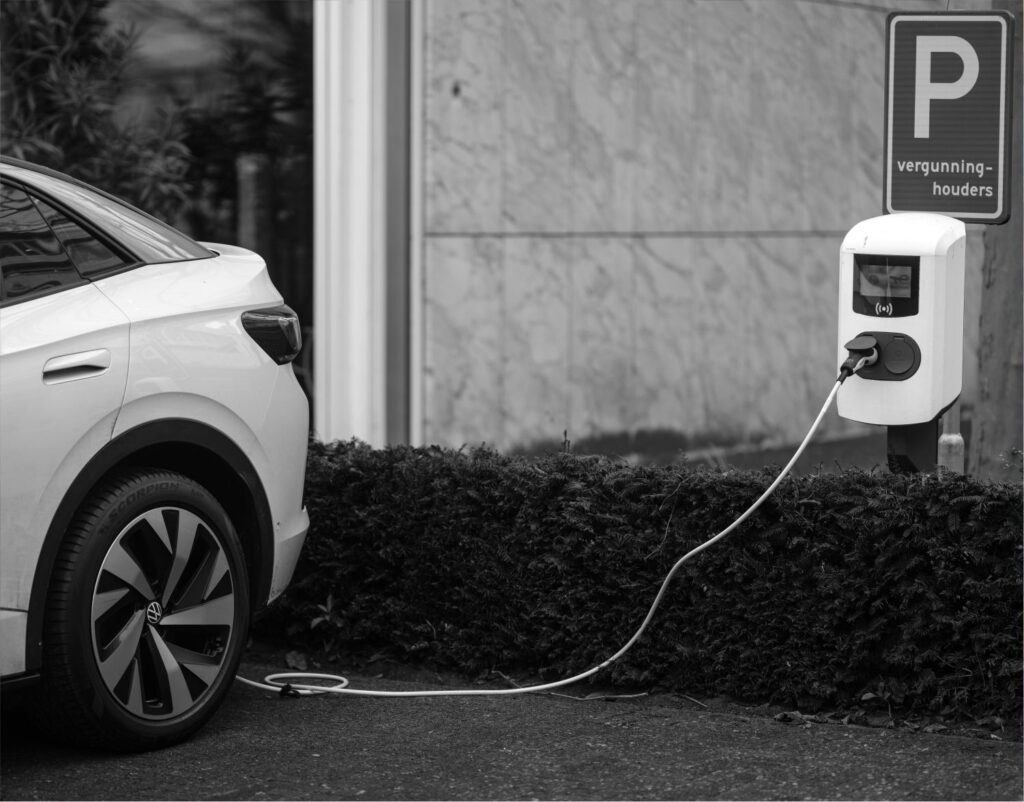
Charging infrastructure is another critical barrier. Limited availability of charging stations, especially in rural areas and along highways, creates range anxiety among potential buyers. Consumers worry about the ability to recharge their vehicles conveniently during long trips or daily commutes. In urban areas, lack of home charging options for apartment dwellers further complicates adoption. Expanding fast-charging networks and ensuring reliable access to charging facilities are essential for building consumer confidence.
Battery performance and lifecycle concerns also affect electric mobility adoption. Issues such as limited driving range, long charging times, and battery degradation over time influence purchasing decisions. Although modern EVs offer improved range and faster charging, misconceptions and outdated perceptions still persist. Additionally, battery replacement costs and recycling challenges raise questions about long-term sustainability and environmental impact.
Electric mobility adoption is also influenced by energy infrastructure and grid readiness. Large-scale EV adoption increases electricity demand, requiring upgrades to power grids and energy management systems. In regions where electricity is still generated primarily from fossil fuels, the environmental benefits of electric mobility may be reduced. Integrating renewable energy sources and smart grid technologies is necessary to maximize the sustainability of electric transportation.
Consumer awareness and behavioral change present another challenge. Many consumers lack accurate information about electric vehicles, including total cost of ownership, maintenance requirements, and environmental benefits. Resistance to change, brand loyalty to traditional vehicles, and unfamiliarity with new technology slow adoption rates. Education, awareness campaigns, and real-world demonstrations play a crucial role in changing perceptions and building trust.
Policy and regulatory barriers can also impact electric mobility growth. Inconsistent government incentives, unclear regulations, and lack of long-term policy stability create uncertainty for both consumers and manufacturers. While subsidies, tax benefits, and supportive policies can accelerate adoption, their absence or sudden withdrawal can slow market momentum. Coordinated and long-term policy frameworks are essential for sustained progress.
Supply chain and manufacturing challenges further affect electric mobility adoption. Dependence on critical raw materials such as lithium, cobalt, and nickel raises concerns about resource availability, ethical sourcing, and price volatility. Building resilient supply chains and investing in alternative battery technologies are important steps toward long-term scalability.
In conclusion, while electric mobility offers immense environmental and economic benefits, its widespread adoption faces multiple challenges. Addressing issues related to cost, infrastructure, technology, energy systems, consumer awareness, and policy support is crucial for accelerating the transition. Through collaborative efforts between governments, industry, and consumers, these barriers can be overcome, paving the way for a cleaner, more sustainable mobility future.