





Mining plays a crucial role in supporting global industries by providing essential raw materials such as metals, minerals, and fuels. However, traditional mining practices have often been associated with environmental degradation, resource depletion, and social challenges. As awareness of sustainability grows, the mining industry is undergoing a transformation toward more responsible and eco-friendly practices. Sustainable mining aims to balance economic benefits with environmental protection and social well-being.
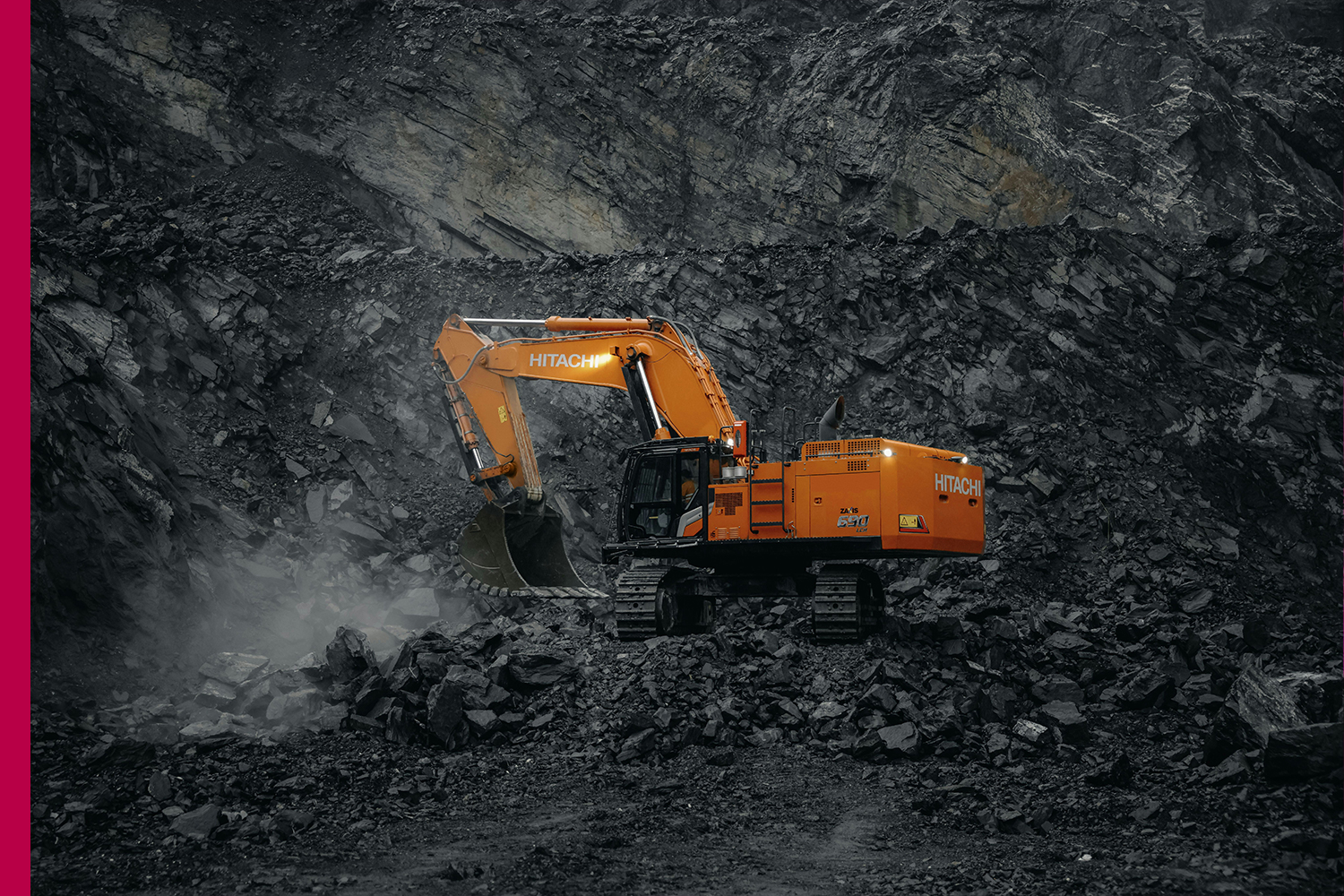
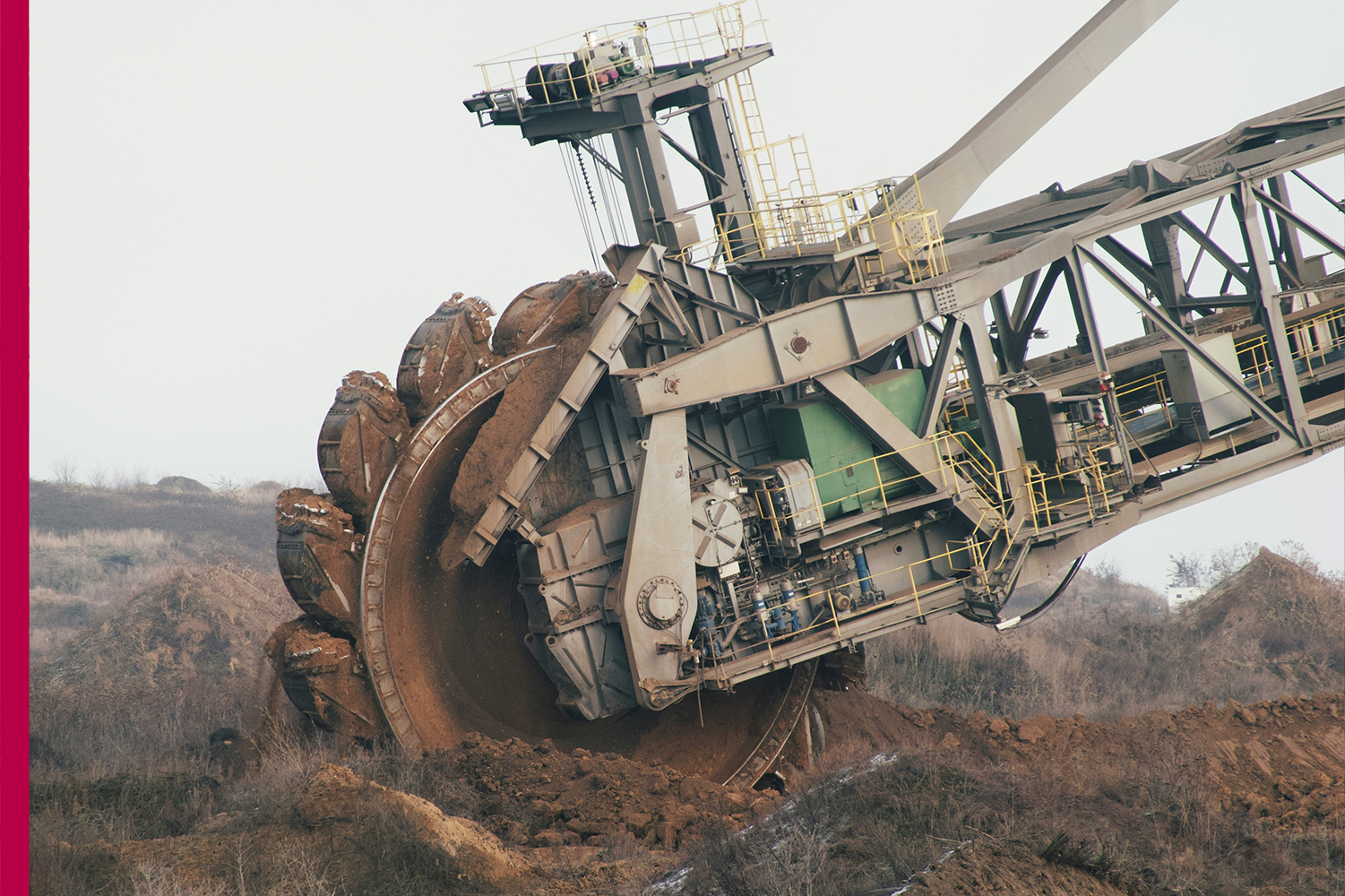
One of the key aspects of sustainable mining is minimizing environmental impact. Modern mining companies are adopting advanced technologies to reduce land disturbance, water usage, and greenhouse gas emissions. Techniques such as precision mining, automated equipment, and remote sensing help optimize resource extraction while limiting damage to ecosystems. Reclamation and rehabilitation of mined land are also critical, ensuring that landscapes are restored after mining operations are completed.
Water management is another important focus area. Mining activities often require large amounts of water, which can lead to depletion and contamination of local water sources. Sustainable practices involve recycling water, treating wastewater, and implementing closed-loop systems to reduce consumption. These measures help protect aquatic ecosystems and ensure that communities have access to clean water.
Energy efficiency and the use of renewable energy are gaining importance in the mining sector. Many companies are transitioning from fossil fuels to cleaner energy sources such as solar and wind power to operate their facilities. This shift not only reduces carbon emissions but also lowers operational costs in the long run. Electrification of mining equipment is another step toward reducing the industry’s environmental footprint.
Responsible waste management is essential for sustainable mining. Tailings, which are the byproducts of mining, can pose significant environmental risks if not handled properly. Modern approaches include safer storage methods, reuse of waste materials, and innovative technologies to extract additional value from tailings. These practices help reduce environmental hazards and improve resource efficiency.
Social responsibility is a key component of sustainable mining. Companies are increasingly engaging with local communities to ensure that mining activities contribute to social and economic development. This includes providing employment opportunities, supporting local infrastructure, and respecting the rights and traditions of indigenous populations. Transparent communication and ethical practices help build trust and foster long-term relationships with stakeholders.
In countries like India, sustainable mining is gaining momentum through regulatory frameworks and government initiatives. Policies aimed at environmental protection, resource conservation, and community welfare are encouraging companies to adopt responsible practices. Organizations such as Ministry of Mines play a crucial role in promoting sustainable development in the sector.
Technology and innovation are driving the shift toward sustainability in mining. Digital tools such as data analytics, artificial intelligence, and automation enable better decision-making and resource management. These technologies improve efficiency, reduce waste, and enhance safety for workers.
Despite these advancements, challenges remain. High implementation costs, regulatory complexities, and the need for skilled labor can hinder the adoption of sustainable practices. Additionally, balancing economic growth with environmental conservation requires continuous effort and collaboration among stakeholders.
Looking ahead, the future of mining lies in embracing sustainability as a core principle. Companies that prioritize environmental responsibility, social impact, and innovation will be better positioned to succeed in a rapidly changing world. Investors and consumers are increasingly favoring businesses that demonstrate a commitment to sustainability, further driving this transformation.
In conclusion, sustainable mining practices are essential for ensuring that resource extraction does not come at the expense of the environment and communities. By adopting eco-friendly technologies, responsible management strategies, and ethical practices, the mining industry can contribute to economic growth while preserving natural resources for future generations.