



Mining is one of the oldest and most vital industries in human history. From the moment early humans began extracting stones and metals from the earth to craft tools and weapons, mining has played a central role in the advancement of civilization. Today, it remains the backbone of global development — powering industries, infrastructure, and technology. Whether it’s coal fueling power plants, iron building cities, or rare earth elements enabling smartphones and electric vehicles, mining continues to shape our world in countless ways.
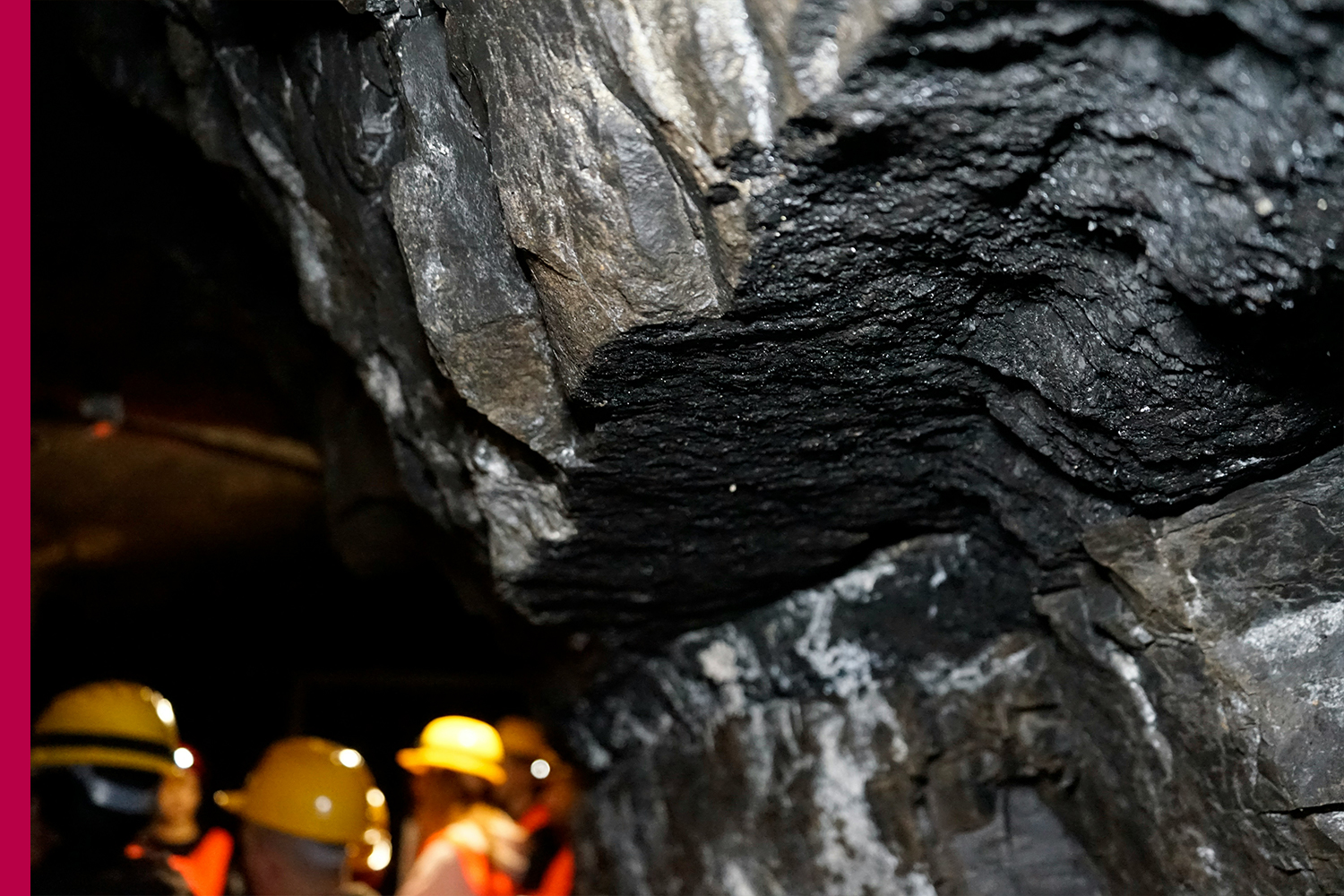
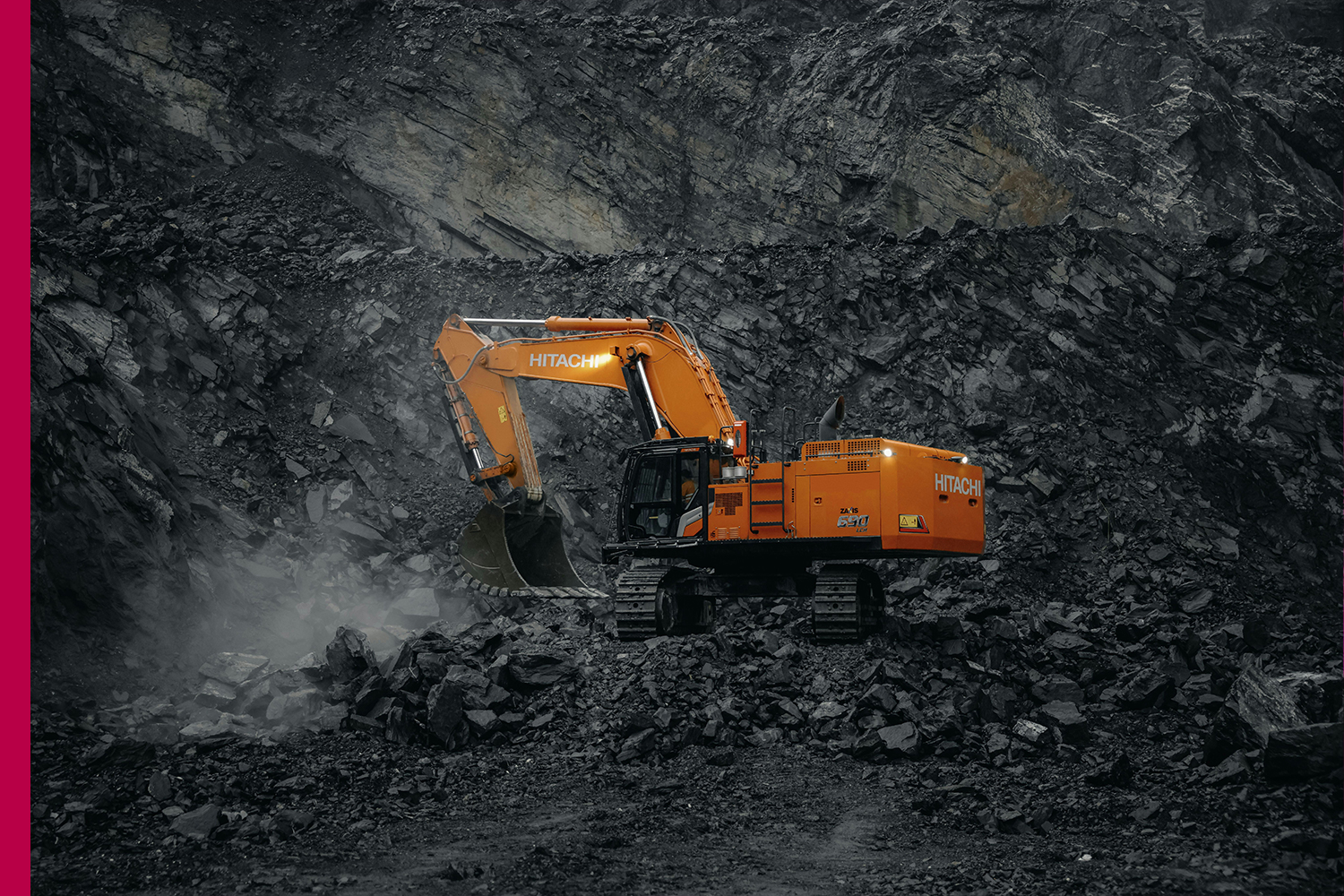
At its core, mining is the process of extracting valuable minerals and resources from the earth’s crust. These include metals like gold, silver, copper, and iron, as well as non-metals such as coal, salt, and limestone. Modern mining involves advanced machinery, geotechnical analysis, and environmental monitoring to ensure efficiency and safety. Mining operations can take place on the surface (open-pit mining) or underground, depending on the type and location of the resource.
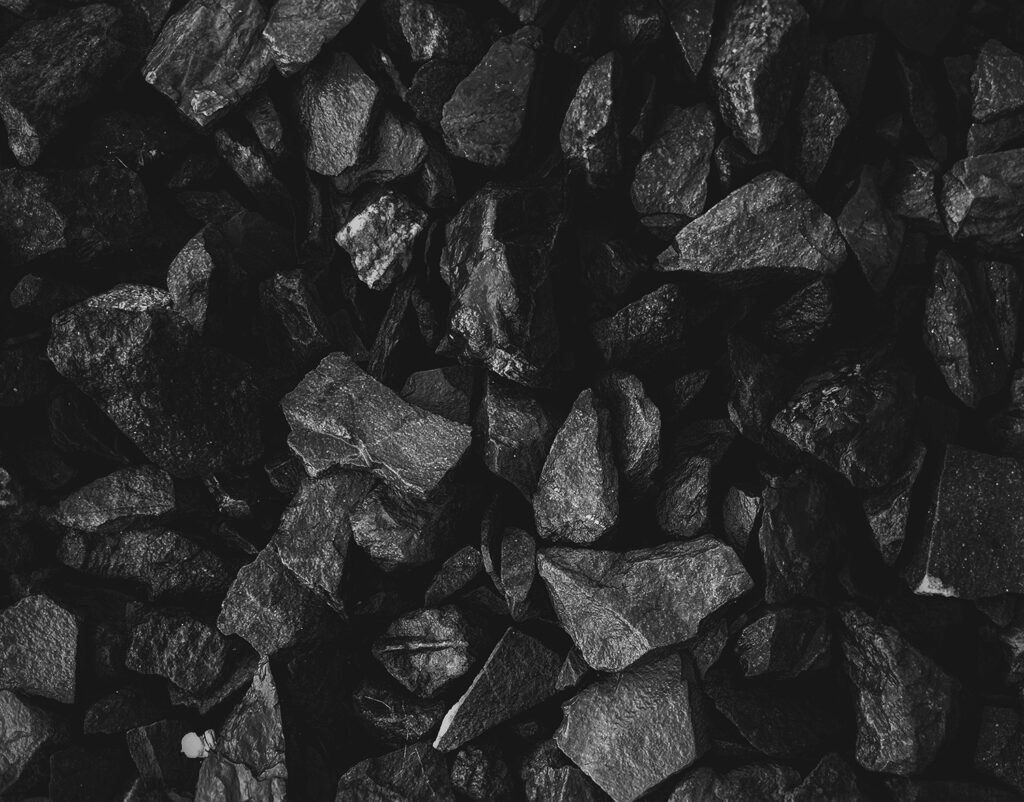
The importance of mining extends far beyond the extraction of raw materials. It is the foundation of modern industry and technology. Every product we use — from cars and computers to buildings and batteries — relies on materials that originate from mining. The steel in construction, lithium in electric vehicles, and silicon in microchips are all mined resources. As societies continue to grow and demand more technology, energy, and infrastructure, the mining sector remains indispensable for sustaining progress.
However, mining is not without challenges. The industry has long faced criticism for its environmental and social impacts. Deforestation, soil erosion, water pollution, and carbon emissions are major concerns associated with mining activities. Additionally, unsafe working conditions and exploitation in some regions have drawn attention to the need for stricter regulations and ethical practices. In response, many mining companies are embracing sustainable mining techniques. These include land rehabilitation, waste reduction, and the use of renewable energy in operations. Advancements in technology — such as autonomous machinery, remote sensing, and eco-friendly extraction methods — are helping to reduce the environmental footprint of mining.
Another major trend shaping the industry is the growing demand for critical minerals used in renewable energy and digital technologies. As the world transitions toward green energy, minerals like lithium, cobalt, and nickel are becoming essential for manufacturing batteries, solar panels, and wind turbines. This shift is driving a new wave of exploration and innovation in the mining sector, often referred to as the “green mining revolution.”
Economically, mining is a key contributor to global GDP and employment. Many countries rely heavily on mining exports for revenue and development. Regions rich in mineral resources, such as Australia, South Africa, and Chile, have built strong economies around mining, while developing nations see it as a path toward industrial growth.
In conclusion, mining remains one of the most critical pillars of modern civilization. While it faces environmental and ethical challenges, innovation and sustainability are reshaping its future. As the world moves toward cleaner energy and smarter technologies, responsible mining will be vital in balancing economic growth with environmental preservation. From the depths of the earth to the heights of modern progress, mining continues to be the force that fuels humanity’s advancement.