



Gold mining is one of the oldest and most valuable industrial processes in the world. For thousands of years, gold has symbolized wealth, power, and beauty, driving civilizations to explore, innovate, and extract this precious metal from the earth. The gold mining process is a complex journey that combines geology, engineering, technology, and environmental management to transform raw ore into refined gold.
The process begins with exploration. Geologists study land formations, analyze rock samples, and use advanced techniques such as satellite imaging and geochemical surveys to identify areas rich in gold deposits. Once a potential site is confirmed, detailed feasibility studies are conducted to assess the quantity of gold, mining costs, and environmental impact. Only after careful evaluation does the mining operation move forward.
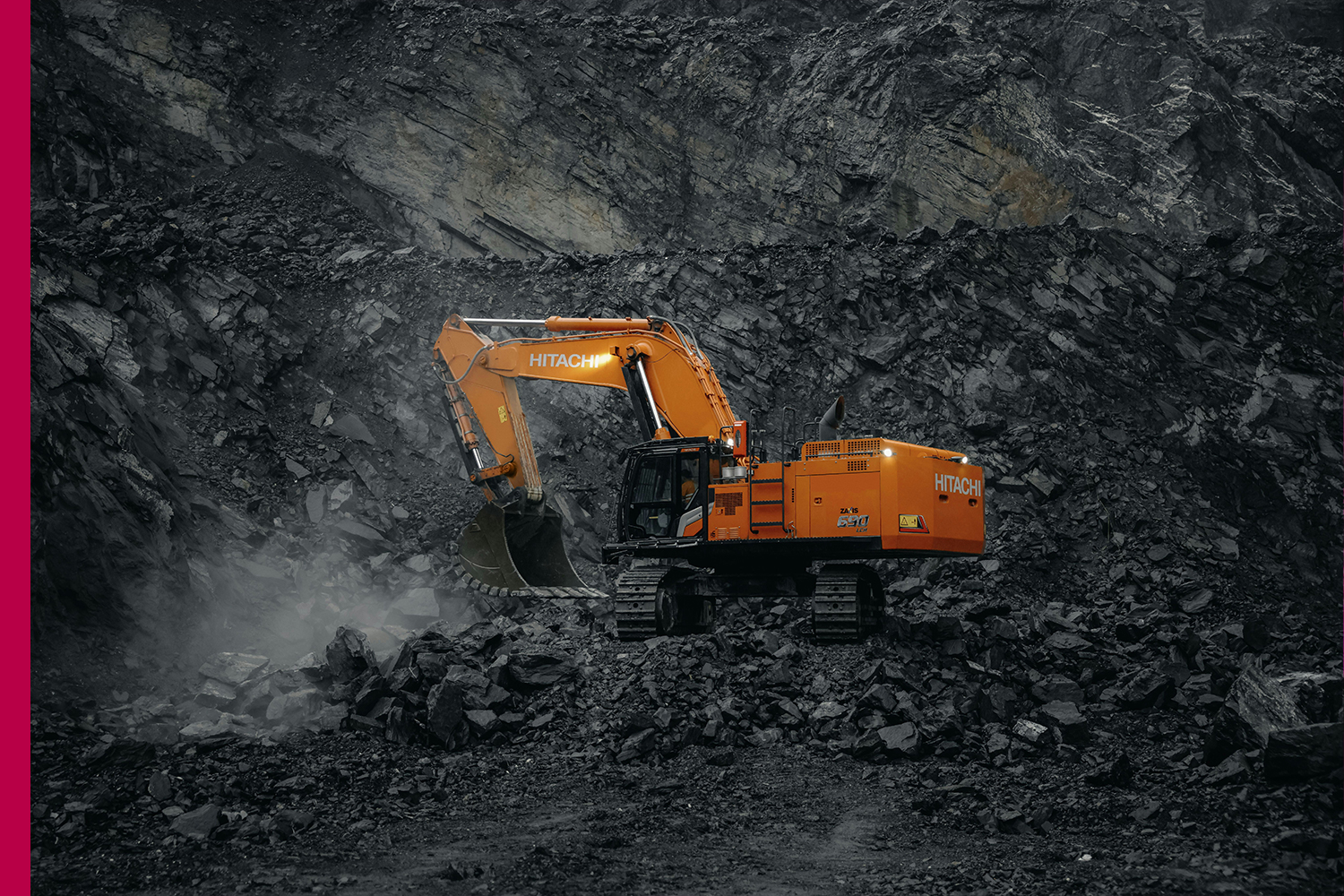
Next comes extraction, which can be done through different mining methods depending on the location and depth of the gold deposit. Surface mining, including open-pit mining, is used when gold is found close to the earth’s surface. This method involves removing layers of soil and rock to access gold-bearing ore. Underground mining, on the other hand, is used for deeper deposits and requires tunnels and shafts to reach the ore. In some regions, placer mining is practiced, where gold is extracted from riverbeds and sediments using water-based techniques.
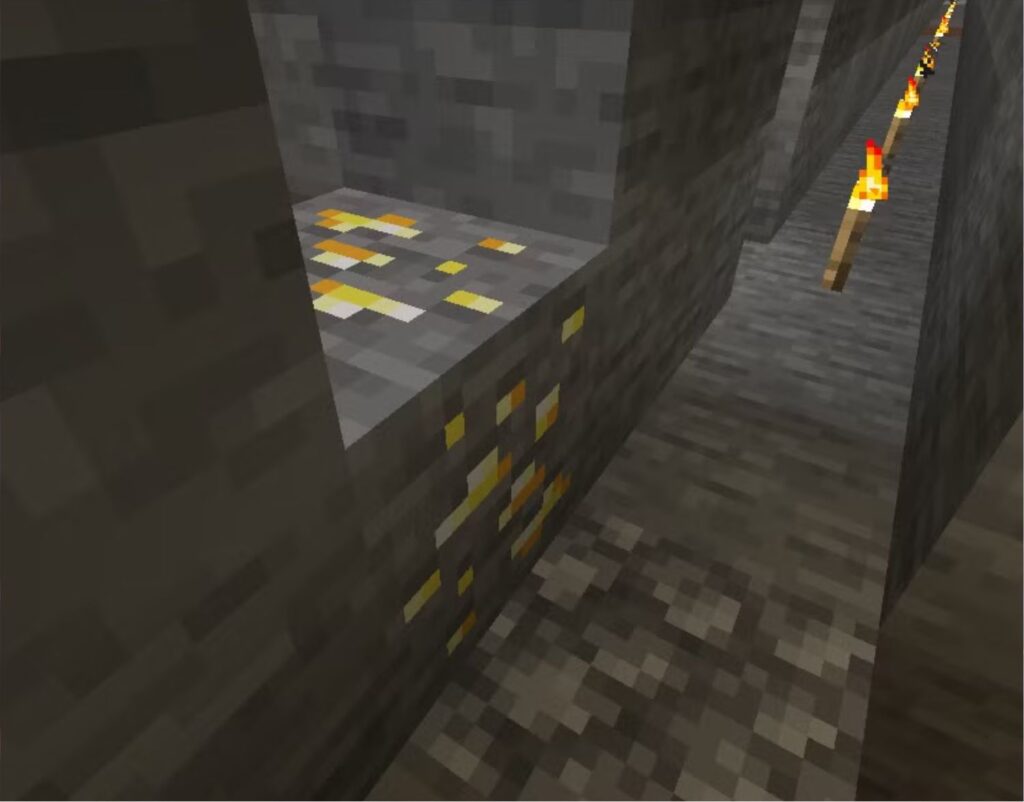
Once the gold ore is extracted, it is transported to a processing plant. The first step in processing is crushing and grinding, where large rocks are broken down into fine particles to release the gold trapped within. This powdered ore is then treated using various separation methods. One common technique is gravity separation, which uses the density difference between gold and other materials. Another widely used method is cyanide leaching, where a chemical solution dissolves gold from the ore, allowing it to be collected later.
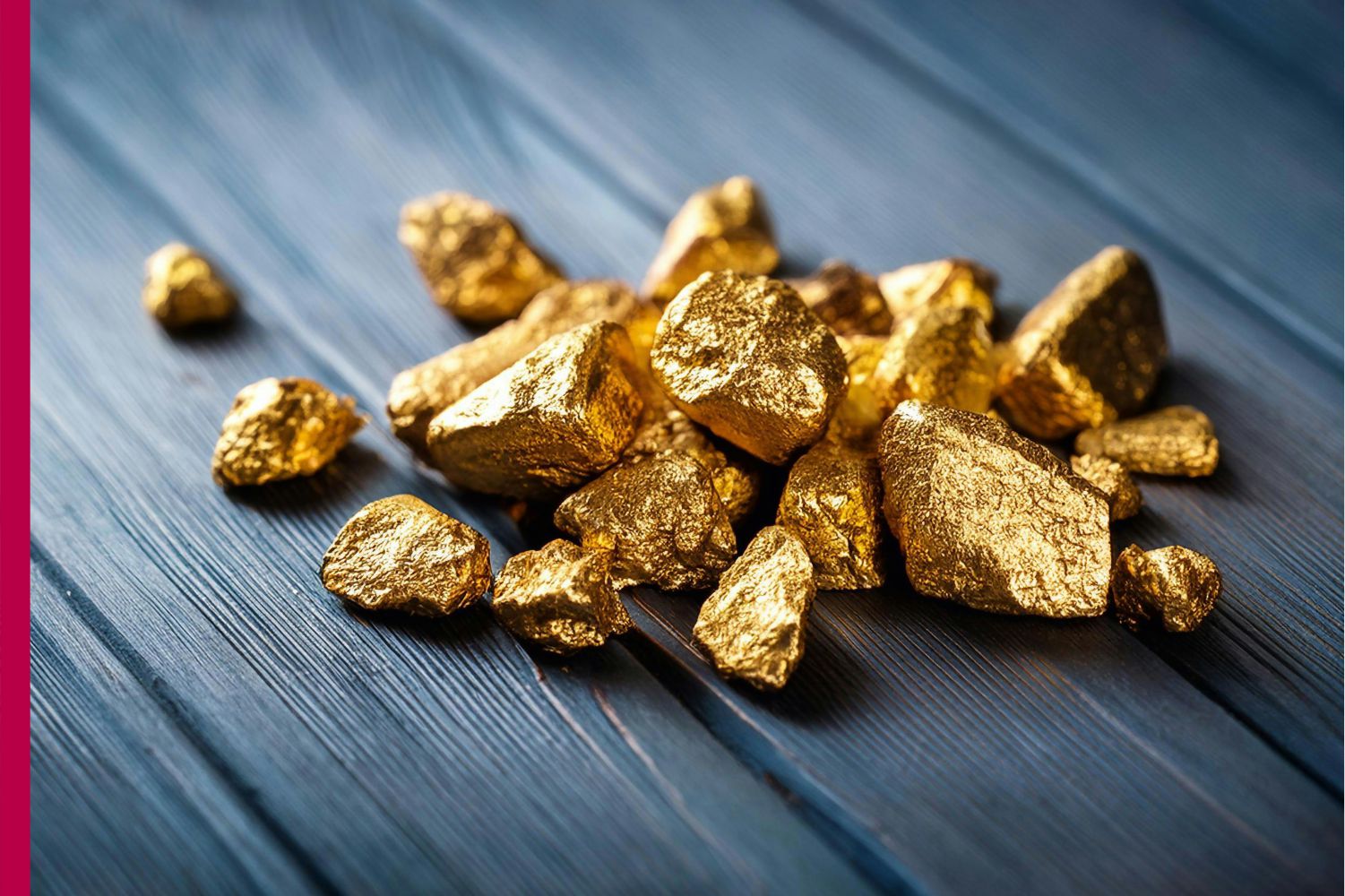
After extraction, the gold-bearing solution undergoes purification. Processes such as carbon adsorption, precipitation, and smelting are used to remove impurities and produce gold in solid form, often as doré bars. These bars are not yet pure gold and are sent to refineries for further refining. At the refinery, advanced techniques like electrolysis and chemical refining increase the purity of gold to 99.9% or higher, making it suitable for jewelry, investment, and industrial use.
Environmental management is an essential part of modern gold mining. Mining companies are increasingly adopting sustainable practices to minimize environmental damage. These include responsible waste disposal, water recycling, land rehabilitation, and reducing the use of harmful chemicals. Strict regulations and community engagement also play a key role in ensuring that gold mining benefits both the economy and the environment.
In conclusion, the gold mining process is a remarkable blend of science, skill, and technology. From discovering hidden deposits beneath the earth to refining gold into a gleaming final product, each step requires precision and responsibility. While gold continues to be a symbol of luxury and value, the process behind it reflects human ingenuity and the ongoing effort to balance resource extraction with environmental care.