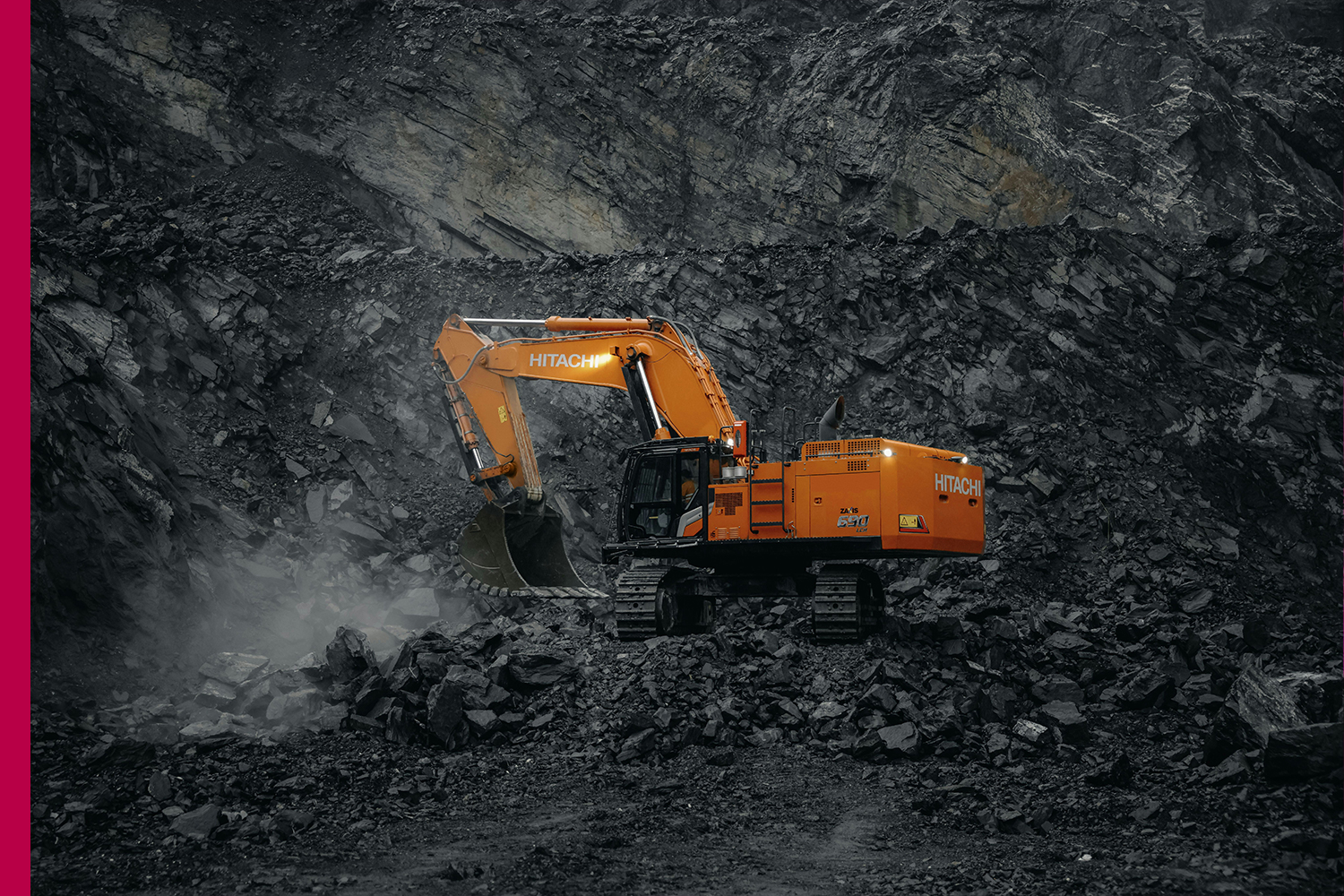





Metals are among the most essential and versatile materials on Earth. From ancient times to the modern industrial age, they have shaped human progress in countless ways. Whether it’s the tools of early civilizations, the skyscrapers of today, or the technological devices of tomorrow, metals have remained the backbone of innovation and development. Strong, durable, and conductive, metals continue to play a vital role in every aspect of modern life from construction and transportation to healthcare and electronics.
The use of metals dates back thousands of years. Early humans discovered copper and gold, using them to make jewelry, tools, and weapons. The discovery of iron marked the beginning of the Iron Age, transforming agriculture and warfare. Over time, the development of metallurgy — the science of extracting and processing metals — led to remarkable advancements in civilization. Today, metals such as steel, aluminum, copper, and titanium are essential to nearly every industry on the planet.
In construction and infrastructure, metals provide strength and stability. Steel is the backbone of modern architecture, forming the frames of skyscrapers, bridges, and tunnels. Aluminum, known for its lightweight and corrosion-resistant properties, is widely used in building facades and interior design. The durability and flexibility of metals allow engineers to create structures that are not only strong but also aesthetically impressive.
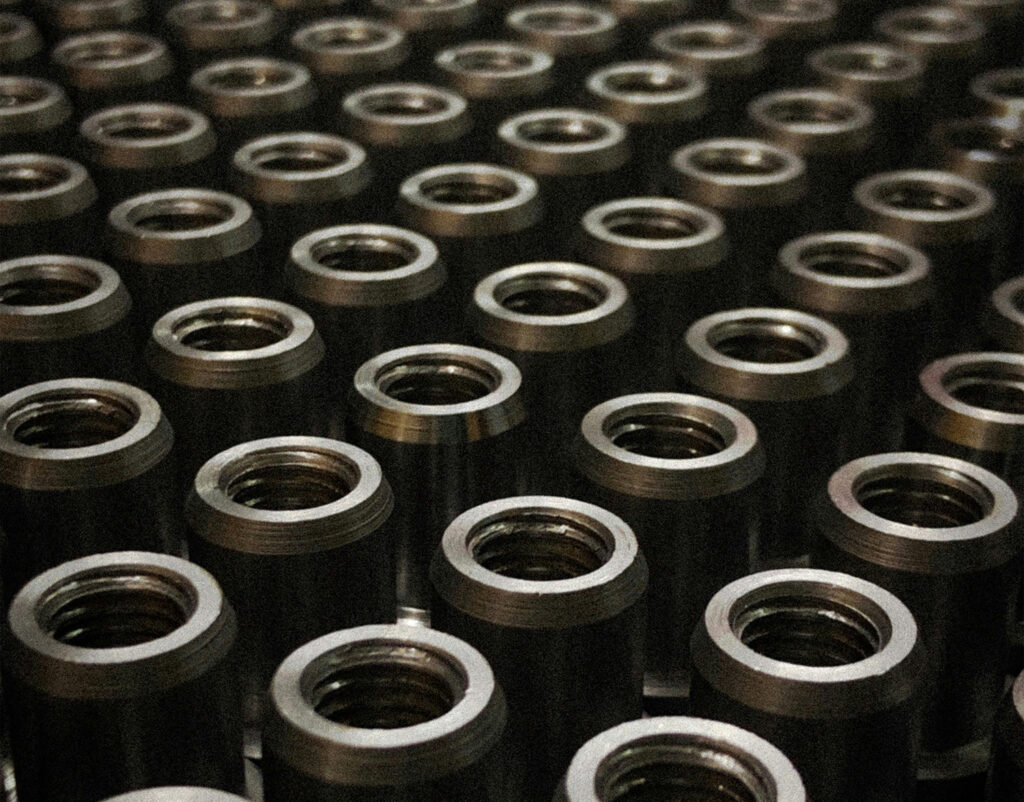
In the transportation sector, metals make movement possible. Automobiles, airplanes, ships, and trains rely on materials like steel, aluminum, and titanium for their frames, engines, and components. These metals offer the perfect balance of strength and lightness, improving fuel efficiency and safety. With the rise of electric vehicles and aerospace innovations, advanced metal alloys are being developed to enhance performance and reduce environmental impact.
Metals also play a crucial role in technology and electronics. Copper is a key conductor used in electrical wiring, motors, and circuits, while gold and silver are vital for high-performance electronic components due to their excellent conductivity and resistance to corrosion. The smartphones, computers, and renewable energy systems we depend on every day are powered by these precious and industrial metals.
In healthcare, metals contribute to medical devices, surgical instruments, and implants. Stainless steel, titanium, and cobalt alloys are used in prosthetics, dental tools, and artificial joints because they are biocompatible meaning they can safely interact with the human body. This intersection of metallurgy and medicine has improved the quality of life for millions worldwide.
However, the widespread use of metals also raises concerns about sustainability and environmental impact. Mining and metal production consume large amounts of energy and can lead to pollution and habitat destruction. To address these issues, industries are focusing on recycling and sustainable mining practices. Recycling metals like aluminum and steel reduces waste and energy consumption significantly, helping to conserve natural resources for future generations.
In conclusion, metals are more than just materials they are the foundation of progress. They have built civilizations, powered industries, and enabled technological revolutions. As we move toward a more sustainable and innovative future, the challenge lies in balancing the use of metals with environmental responsibility. Through smarter design, recycling, and research, metals will continue to shape our world, ensuring strength and stability in every era of human development.