




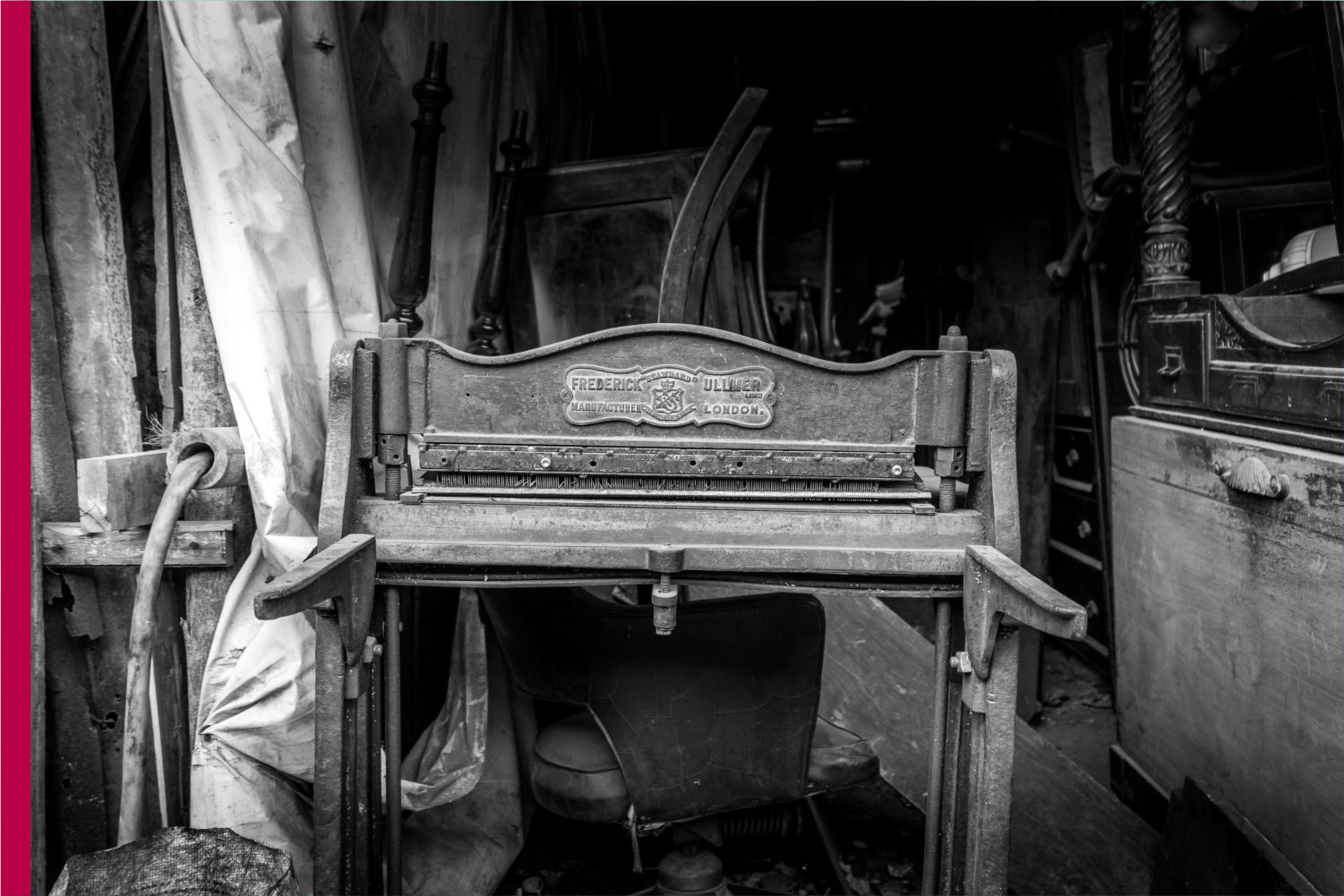
Long before digital printers, laser machines, and high-speed presses became part of everyday life, printing in the old days was a slow, manual, and highly skilled craft. Yet, despite its simplicity compared to modern technology, early printing methods played a vital role in shaping civilization. They helped preserve knowledge, spread ideas, and connect societies in ways that transformed human history.
The story of old-day printing begins with block printing, one of the earliest known methods, used in China around the 7th century. Craftsmen carved entire pages of text or images into wooden blocks. Ink was then applied to the carved surface, and paper was pressed against it to create a print. This process was labour-intensive and required precision, but it allowed multiple copies of a single text to be produced more efficiently than handwriting. Block printing became a foundation for printing art, religious texts, and literature.
A major breakthrough came in the 15th century with the invention of the Gutenberg printing press by Johannes Gutenberg of Germany. His invention revolutionized printing forever. Instead of carving whole pages, Gutenberg created movable metal type small metal pieces with individual letters that could be arranged and reused. This made printing faster, more flexible, and more economical. His first major printed work, the Gutenberg Bible, marked the beginning of mass communication. Books that once took months to write by hand could now be produced in days. This sparked a knowledge explosion across Europe, fueling the Renaissance, scientific discoveries, and widespread literacy.
In the centuries that followed, printing continued to evolve. Early printers operated large wooden presses powered by hand. Workers had to arrange type letter by letter, ink the press rollers manually, and operate the heavy press to imprint text onto paper. It was a physically demanding process but created beautifully crisp and durable prints. Each printed page was the result of careful craftsmanship.
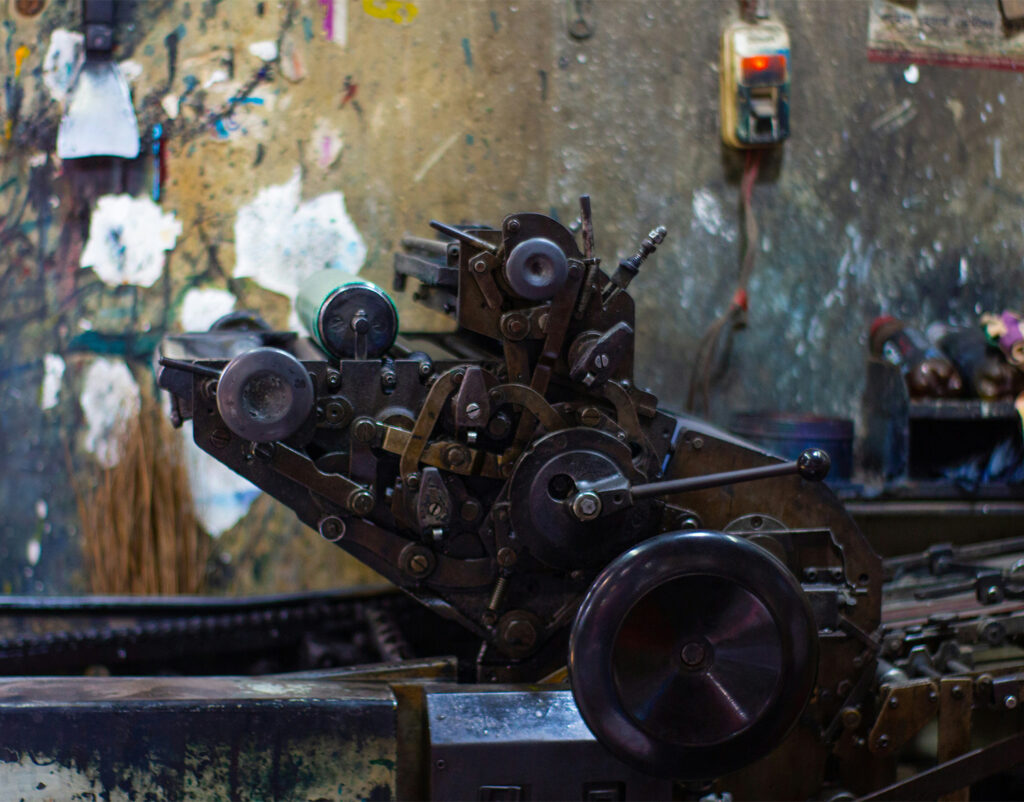
By the 18th and 19th centuries, printing technology advanced with the development of steam-powered presses. Machines could print thousands of pages per hour, making newspapers, books, and pamphlets more affordable for ordinary people. This era saw the rise of journalism, political pamphlets, and public education. Printing became central to knowledge-sharing and social movements, giving a voice to ideas that shaped the modern world.
Old-day printing also produced remarkable works of art. Techniques like engraving, etching, and lithography allowed artists to create intricate illustrations reproduced in multiple copies. These prints became valuable cultural records documenting landscapes, people, scientific discoveries, and historic events long before photography existed.
While modern printing is fast and automated, the charm of traditional printing lies in its craftsmanship. Each piece carried the touch of human hands, the scent of ink, and the unique texture of paper. Today, old printing methods are preserved by enthusiasts, artists, and museums, reminding us of how far human creativity has come. Printing in the old days may seem simple compared to today’s technology, but its impact was extraordinary. It empowered civilizations, preserved culture, and sparked revolutions in knowledge. Without these early techniques, the world as we know it educated, connected, and informed—would not exist.