

The debate between print media and digital media has been ongoing for years, reflecting the rapid evolution of how information is created, distributed, and consumed. While print media represents tradition, credibility, and tangibility, digital media stands for speed, accessibility, and innovation. Both forms have their unique advantages and challenges, making the discussion more about coexistence than competition.
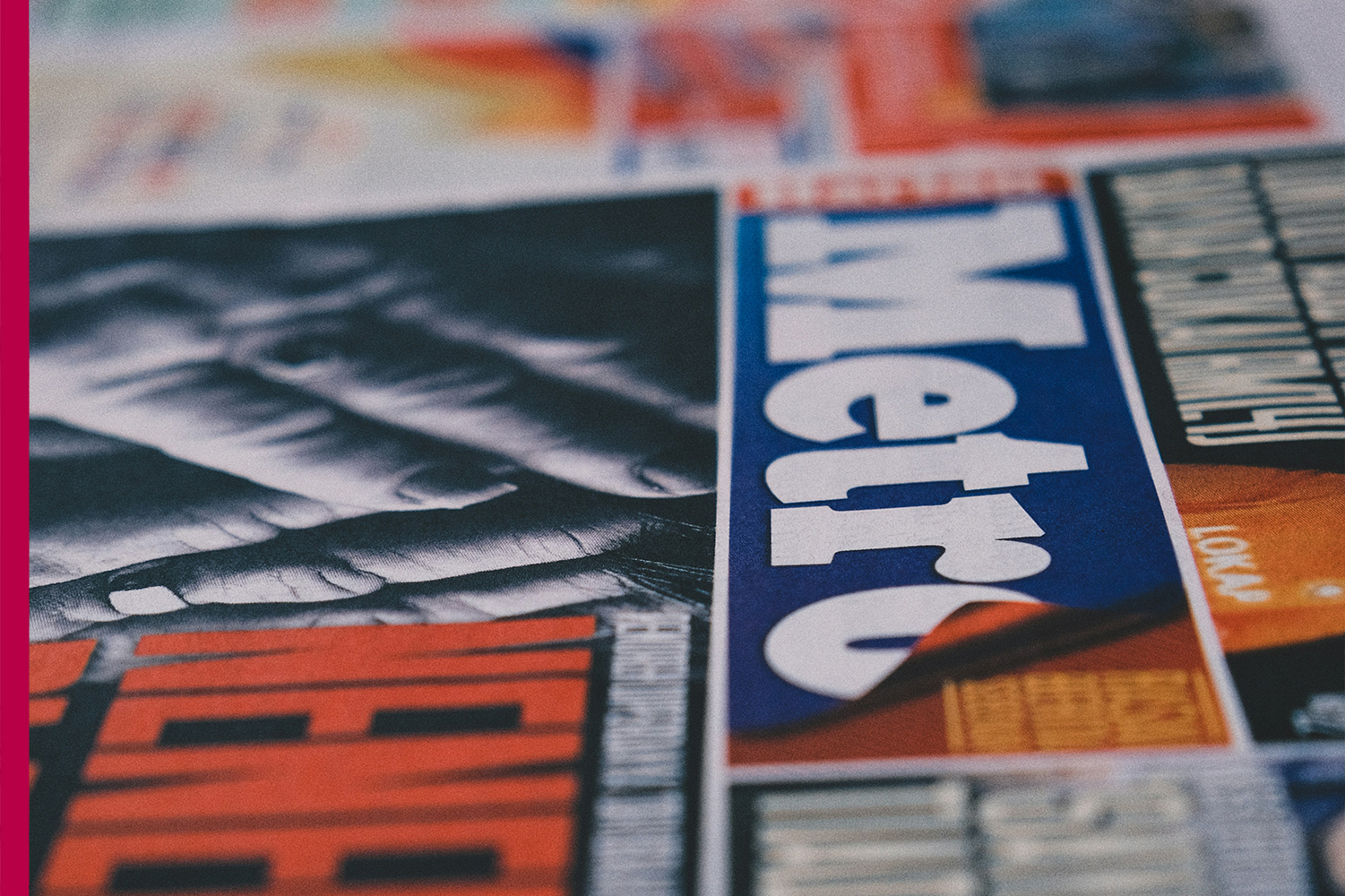
Print media, which includes newspapers, magazines, and books, has long been a trusted source of information. Publications like The Times of India have built credibility over decades by delivering verified and well-researched content. One of the biggest strengths of print media is its reliability. Content goes through editorial checks, reducing the chances of misinformation. Additionally, print offers a distraction-free reading experience, allowing readers to focus deeply on the content.
Another advantage of print media is its physical presence. Holding a newspaper or magazine provides a tangible connection that digital formats cannot replicate. Print is also considered more memorable, as studies suggest that readers tend to retain information better when reading from paper compared to screens. For advertisers, print media offers a sense of permanence, as ads remain visible for longer periods.
However, print media faces several challenges in the modern era. Production and distribution costs are high, and it lacks the immediacy of digital platforms. News in print cannot be updated in real time, which can be a disadvantage in a fast-paced world where information changes rapidly.
On the other hand, digital media has transformed the way people access information. Platforms like Google and social media networks provide instant access to news, entertainment, and educational content. Digital media allows users to stay updated in real time, making it highly relevant in today’s fast-moving environment.
Accessibility is one of the biggest advantages of digital media. With smartphones and internet connectivity, people can access content anytime and anywhere. This has democratized information, allowing individuals from different backgrounds to consume and share content بسهولة. Digital platforms also support multimedia formats such as videos, podcasts, and interactive graphics, enhancing user engagement.
Cost efficiency is another benefit of digital media. Publishing content online is significantly cheaper than printing and distributing physical copies. This has enabled the rise of independent creators, bloggers, and small media outlets, increasing diversity in content creation.
Despite its advantages, digital media also has drawbacks. The spread of misinformation and fake news is a major concern, as content can be published and shared without thorough verification. Additionally, the constant influx of information can lead to shorter attention spans and reduced focus among readers. Privacy and data security issues are also significant challenges in the digital space.
In India, both print and digital media continue to coexist and evolve. While digital platforms are rapidly growing, print media still holds strong in regional markets and among certain demographics. Many media organizations are adopting hybrid models, combining print and digital strategies to reach a wider audience.
The future of media is likely to be a blend of both formats. Print media will continue to offer depth, credibility, and a premium reading experience, while digital media will dominate in terms of speed, reach, and interactivity. Instead of replacing one another, these two forms can complement each other to provide a balanced information ecosystem.
In conclusion, the print vs digital media debate highlights the strengths and limitations of both formats. While digital media is driving the future with innovation and accessibility, print media remains relevant with its credibility and depth. Understanding the value of each allows consumers and businesses to make informed choices in an ever-evolving media landscape.