





In today’s fast-paced digital world, brands must establish a strong online presence to stay competitive and relevant. Digital marketing has become one of the most powerful tools for reaching target audiences, building brand awareness, and driving business growth. With consumers spending more time on websites, social media platforms, and mobile apps, businesses need well-planned digital marketing strategies to capture attention and convert leads into loyal customers.
One of the most effective strategies is search engine optimization (SEO). SEO helps brands improve their visibility on search engines like Google by optimizing website content with relevant keywords, quality backlinks, and user-friendly design. A well-optimized website attracts organic traffic, increases credibility, and generates long-term results without relying solely on paid advertising. Brands that consistently produce high-quality, informative content can rank higher in search results and establish authority in their industry.
Content marketing plays a central role in digital success. By creating valuable blog posts, videos, infographics, and social media content, brands can educate, entertain, and engage their audience. Storytelling is especially powerful, as it connects emotionally with consumers and builds trust. Consistent and relevant content helps brands stay top-of-mind while encouraging repeat visits and shares across platforms.
Social media marketing is another essential strategy. Platforms such as Instagram, Facebook, LinkedIn, and X allow brands to interact directly with their audience. Through engaging posts, live sessions, and interactive stories, businesses can build a community around their products or services. Paid social media advertising also enables precise targeting based on demographics, interests, and behaviors, ensuring that marketing budgets are spent effectively.
Email marketing remains a highly effective tool for nurturing leads and maintaining customer relationships. Personalized email campaigns can inform subscribers about new products, special offers, or industry insights. Automation tools allow brands to send timely messages based on customer actions, increasing engagement and conversion rates. A well-crafted email strategy strengthens brand loyalty and drives repeat business.
Influencer marketing has gained significant traction in recent years. Collaborating with influencers who align with a brand’s values can expand reach and credibility. Influencers have established trust with their followers, making their recommendations more impactful than traditional advertisements. This strategy is particularly effective for reaching younger audiences and niche markets.
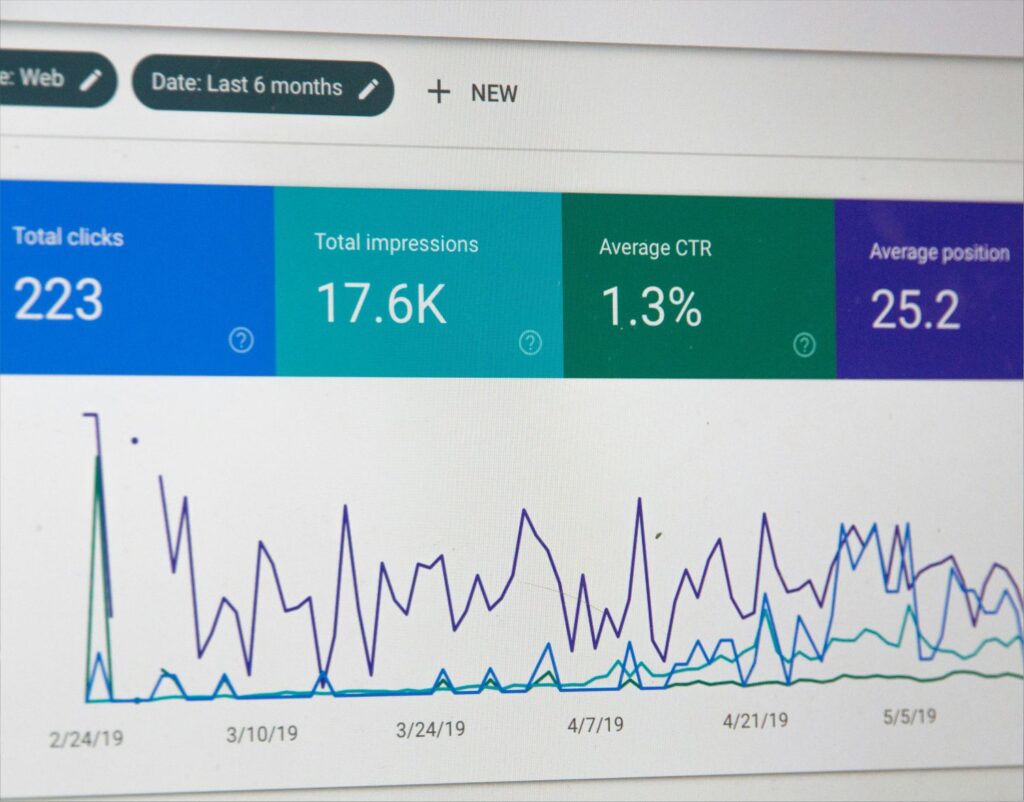
Data analytics is the backbone of successful digital marketing strategies. Brands must continuously track performance metrics such as website traffic, engagement rates, click-through rates, and conversions. Analyzing data helps businesses understand what works and what needs improvement. By making data-driven decisions, brands can optimize campaigns and maximize return on investment.
Mobile optimization is no longer optional. With a majority of users accessing content through smartphones, websites and advertisements must be mobile-friendly. Fast loading times, responsive design, and seamless user experiences are essential for retaining visitors and reducing bounce rates.
In conclusion, digital marketing strategies for brands require a combination of creativity, technology, and data analysis. From SEO and content marketing to social media and email campaigns, each strategy plays a vital role in building brand visibility and customer engagement. By adapting to evolving trends and focusing on delivering value to consumers, brands can achieve sustainable growth in the digital landscape.