


Manufacturing has always been the backbone of economic growth, driving innovation, employment, and development across industries. Over the past few decades, this sector has undergone a remarkable transformation—shifting from traditional manual processes to smart, automated, and sustainable production systems.
The Rise of Smart Manufacturing
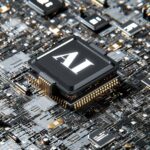
The integration of Industry 4.0 technologies such as the Internet of Things (IoT), Artificial Intelligence (AI), robotics, and data analytics has revolutionized manufacturing operations. Smart factories are now able to monitor, analyze, and optimize every stage of production in real-time. This not only improves efficiency but also minimizes waste and downtime. For example, automated machines can detect faults instantly and make self-adjustments, ensuring consistent product quality. Such digital transformation is redefining the role of the workforce, emphasizing the need for tech-savvy professionals who can manage both machines and data.
Automation: The Game Changer
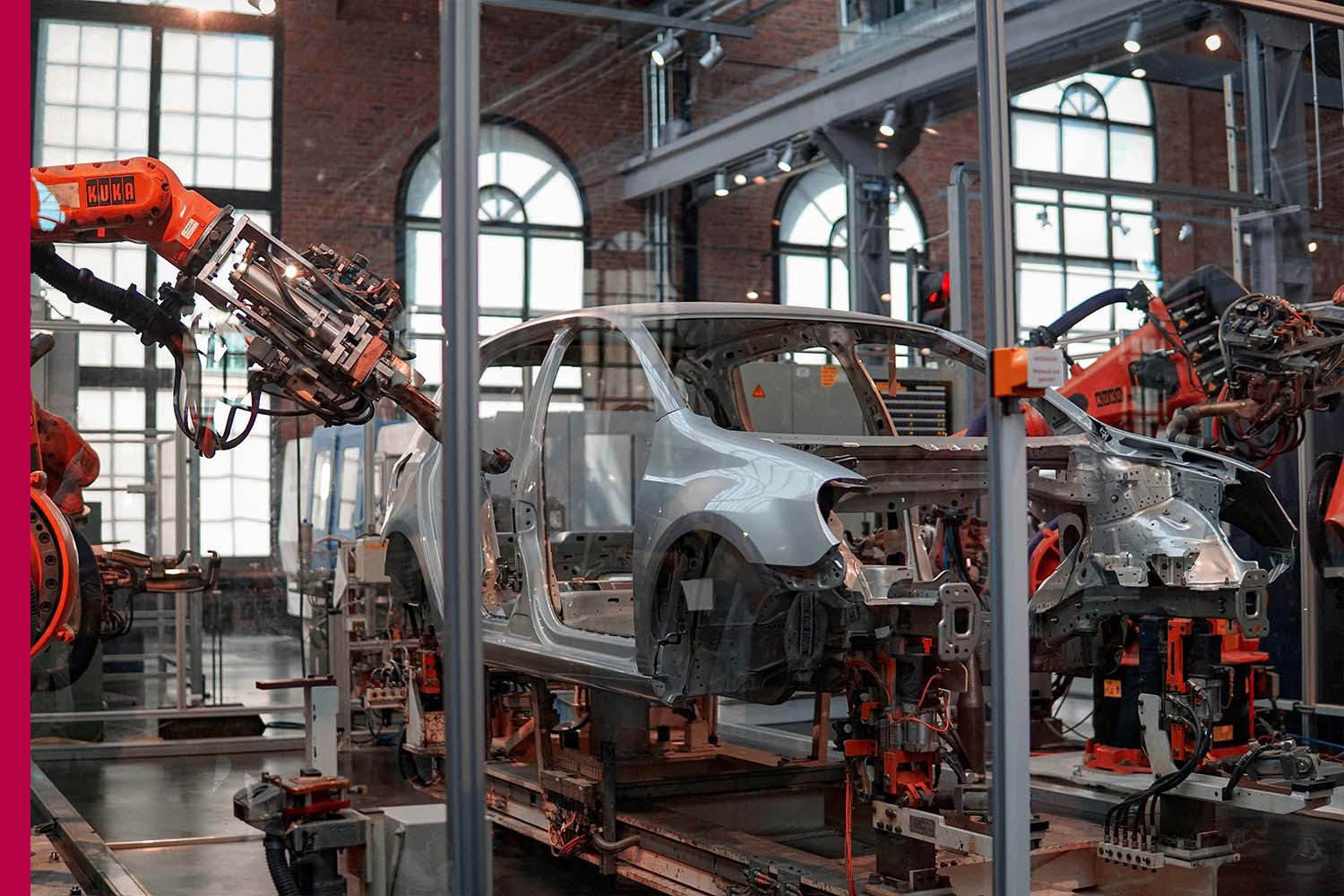
Automation is no longer a luxury—it’s a necessity for competitiveness. Robotics and automated assembly lines have streamlined production, reduced human error, and accelerated turnaround times. From automotive giants to small-scale component manufacturers, everyone is embracing automation to stay ahead in the global market. Moreover, collaborative robots (cobots) are now working safely alongside humans, assisting in precision tasks and enhancing productivity without replacing human creativity.
Sustainability in Manufacturing
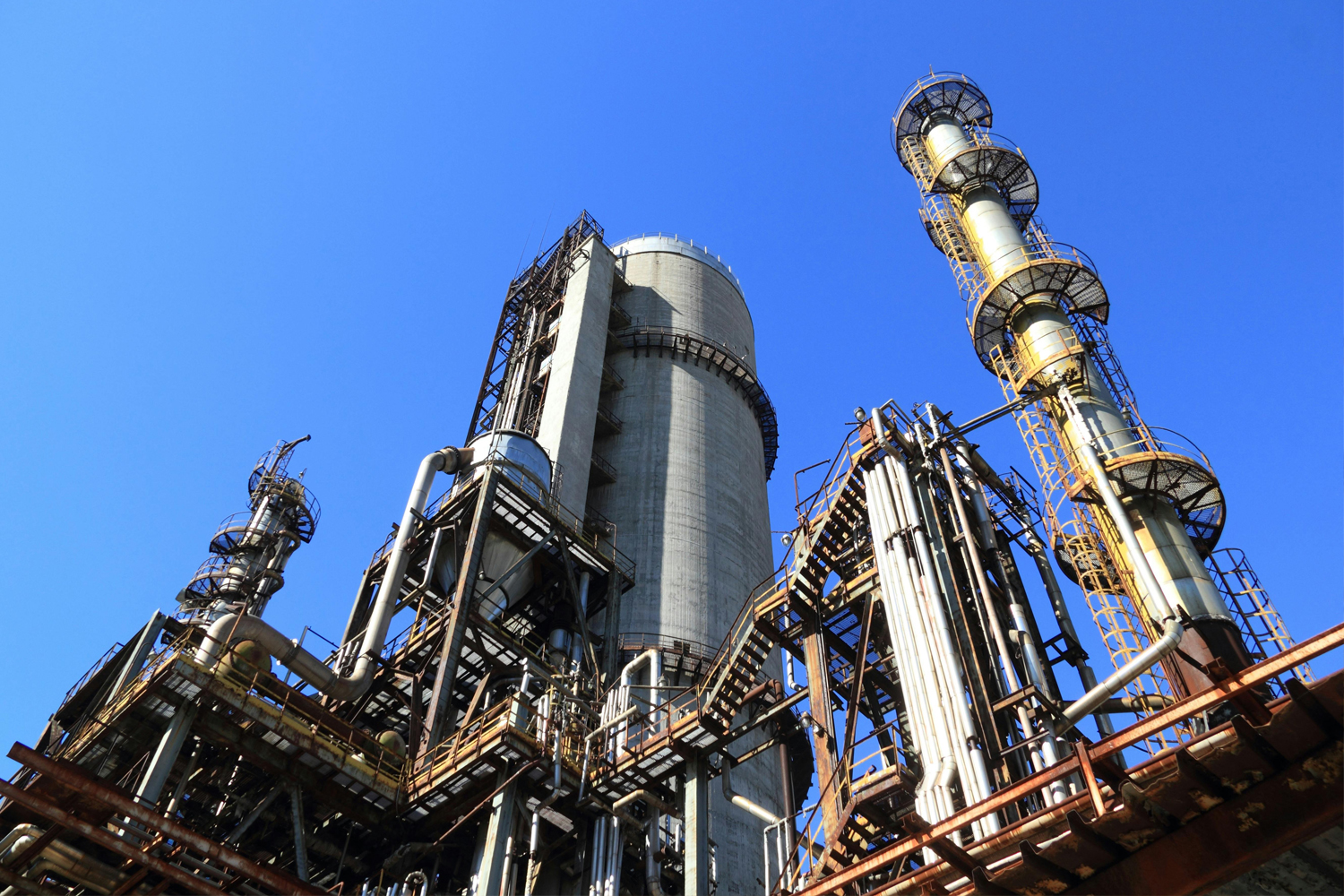
Today’s manufacturers are not just focused on profits—they’re equally invested in protecting the planet. Green manufacturing practices like energy-efficient machinery, recycling, and waste reduction have become integral to modern operations. Companies are adopting renewable energy sources, biodegradable materials, and circular economy models to minimize their environmental footprint. Sustainable manufacturing is not only good for the planet but also helps brands build trust and attract environmentally conscious customers.
The Human Element
Despite rapid automation, humans remain at the heart of manufacturing. The industry’s success depends on skilled workers who can innovate, adapt, and manage advanced technologies. Continuous upskilling and technical education are essential to prepare the workforce for the future of manufacturing.
Looking Ahead
The future of manufacturing is smart, connected, and sustainable. With digital transformation accelerating every day, businesses that embrace innovation will lead the next industrial revolution. As we move forward, the combination of human intelligence and machine precision will unlock new levels of productivity and progress.