



Rubber making is an important industrial process that transforms natural or synthetic raw materials into a flexible, durable, and highly useful material. Rubber plays a vital role in modern life, being used in products ranging from vehicle tires and footwear to medical equipment and household items. The journey of rubber from its source to finished goods reflects a blend of natural resources, chemical science, and manufacturing technology.
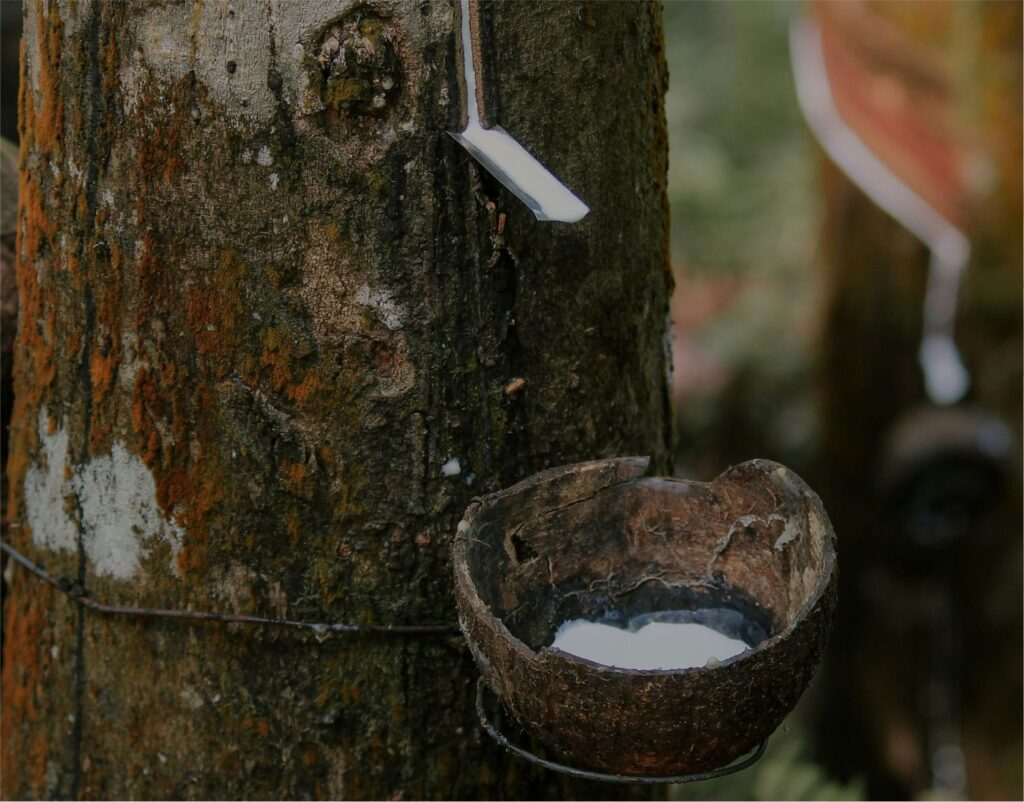
Natural rubber is obtained from the latex of rubber trees, mainly the Hevea brasiliensis species. These trees are commonly grown in tropical regions with warm climates and heavy rainfall. Rubber making begins with tapping, a process in which shallow cuts are made on the tree’s bark to collect the milky latex sap. The latex flows into containers and is then transported for processing. Careful tapping ensures that trees remain healthy and productive for many years.
Once collected, the latex undergoes several processing steps. It is first filtered to remove impurities such as bark and dirt. Acid is then added to coagulate the latex, turning it into solid rubber. This coagulated rubber is pressed into sheets or blocks and washed thoroughly. The sheets are then dried, either naturally or using smokehouses, to produce raw rubber sheets ready for further use.
To improve rubber’s strength and elasticity, a process called vulcanization is used. During vulcanization, rubber is heated with sulfur or other chemicals. This process forms strong cross-links between rubber molecules, making the material more durable, heat-resistant, and flexible. Vulcanized rubber does not melt easily and can withstand heavy pressure, making it ideal for industrial and commercial applications.
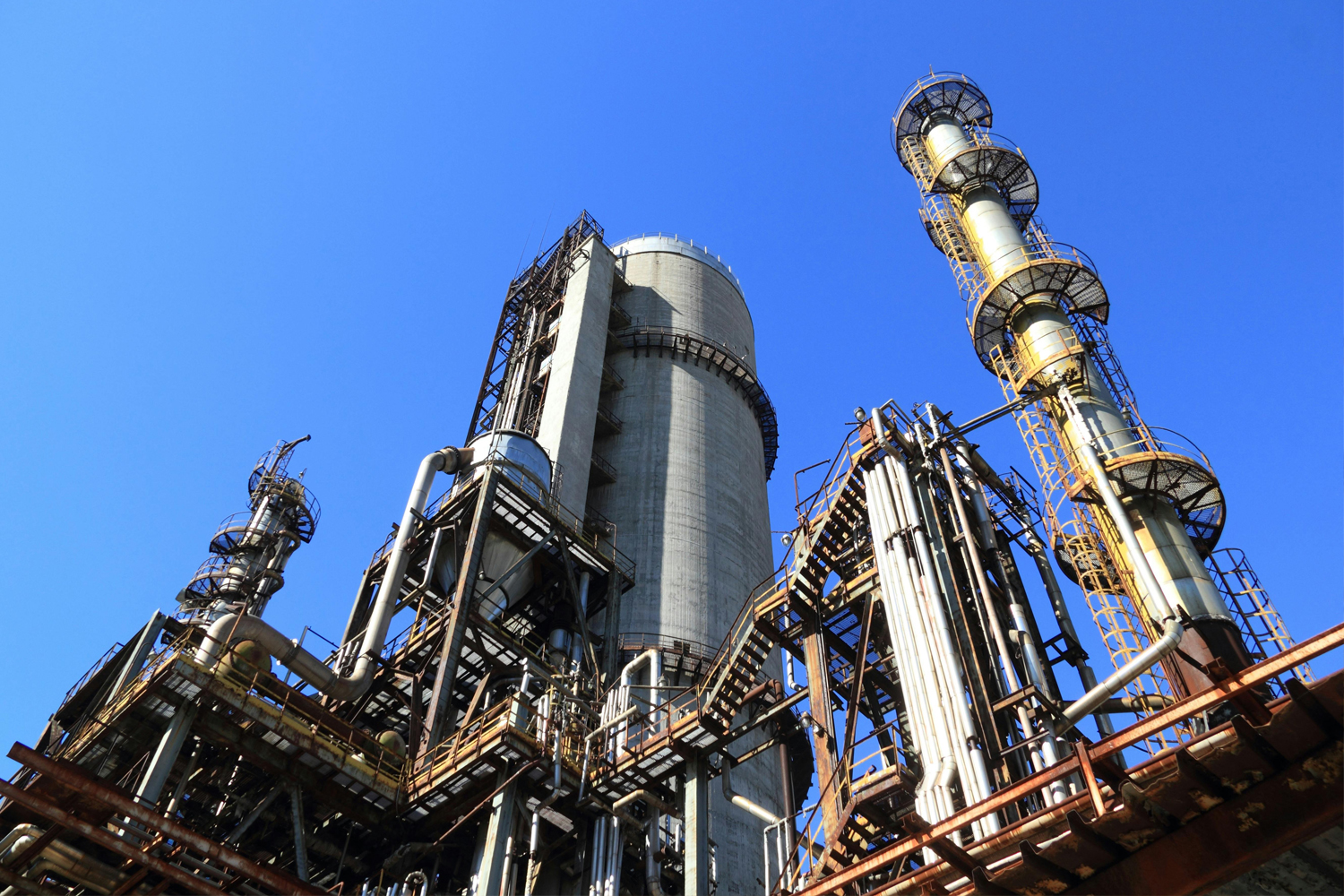
In addition to natural rubber, synthetic rubber is widely produced today. Synthetic rubber is made from petroleum-based chemicals using polymerization techniques. It is designed to meet specific requirements such as resistance to heat, oil, or chemicals. Synthetic rubber is commonly used in automotive parts, seals, hoses, and specialized industrial products where natural rubber may not perform as effectively.
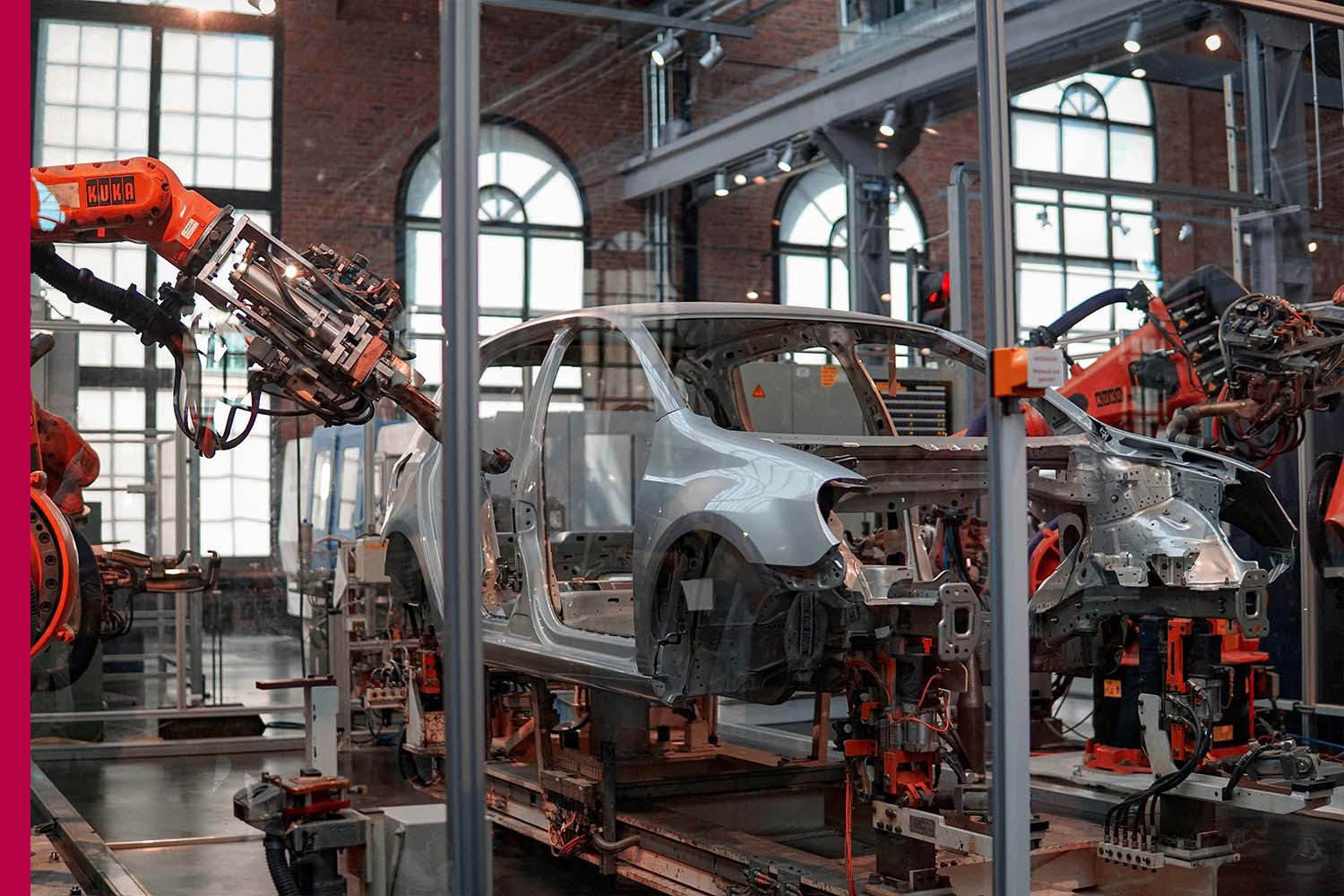
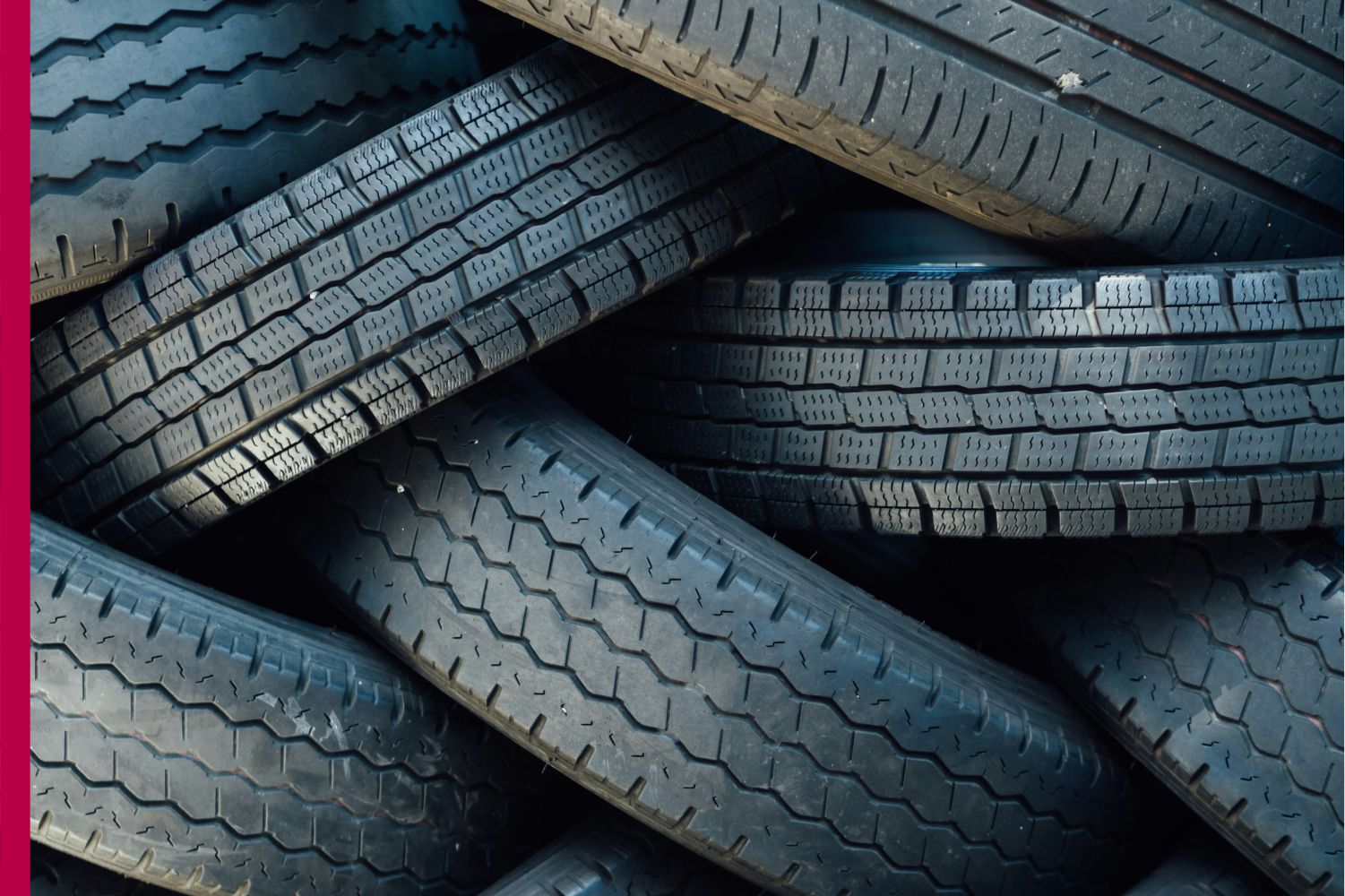
Rubber making supports numerous industries worldwide. Tires are the largest consumers of rubber, requiring high strength and durability for safety and performance. Rubber is also used in footwear, belts, gloves, medical devices, electrical insulation, and sports equipment. Its flexibility, shock absorption, and waterproof nature make it indispensable across many fields.
However, rubber making also raises environmental concerns. Rubber plantations can lead to deforestation if not managed responsibly, and synthetic rubber production relies on fossil fuels. To address these challenges, researchers are exploring sustainable practices such as eco-friendly plantations, recycling rubber products, and developing bio-based rubber alternatives.
In conclusion, rubber making is a fascinating process that combines natural resources and scientific innovation to produce a material essential to everyday life. From tree tapping to advanced chemical processing, rubber’s journey highlights human ingenuity and industrial progress. By adopting sustainable methods, the rubber industry can continue to meet global demands while protecting the environment for future generations.