


In today’s competitive industrial landscape, manufacturers must ensure that every stage of production and distribution works in harmony. Supply Chain Integration refers to the alignment and coordination of all processes, from raw material sourcing to final product delivery. By integrating supply chain activities, manufacturers can improve efficiency, reduce costs, and enhance overall performance.
One of the primary benefits of supply chain integration is improved visibility. When all components of the supply chain are connected, businesses gain real-time insights into inventory levels, production status, and logistics operations. This transparency allows companies to make informed decisions and respond quickly to changes in demand or supply disruptions. Enhanced visibility also helps identify inefficiencies and areas for improvement.
Technology plays a crucial role in enabling integration. Advanced digital tools such as enterprise resource planning (ERP) systems, cloud computing, and data analytics allow seamless information sharing across different departments and partners. The use of Internet of Things (IoT) further enhances integration by connecting machines, sensors, and systems. IoT devices provide real-time data that helps monitor production processes and optimize operations.
Another key aspect of supply chain integration is collaboration. Manufacturers must work closely with suppliers, distributors, and logistics providers to ensure smooth operations. Strong partnerships and effective communication help align goals and improve coordination. Collaborative planning and forecasting allow all stakeholders to anticipate demand and manage resources more efficiently.
Inventory management is significantly improved through integration. By synchronizing supply chain activities, businesses can maintain optimal inventory levels, reducing the risk of overstocking or stockouts. Techniques such as just-in-time inventory rely heavily on integrated systems to ensure that materials arrive exactly when needed, minimizing storage costs and waste.
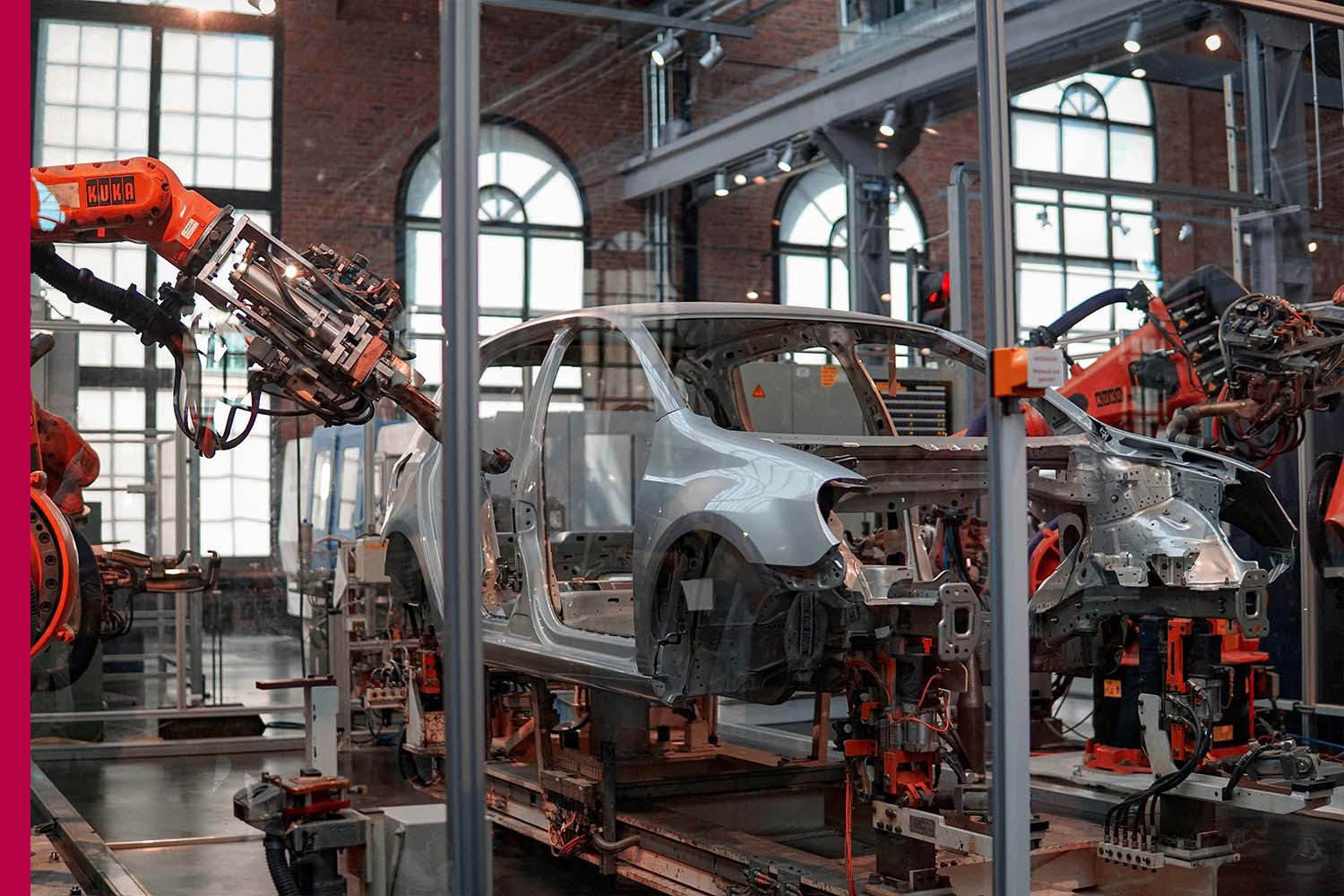
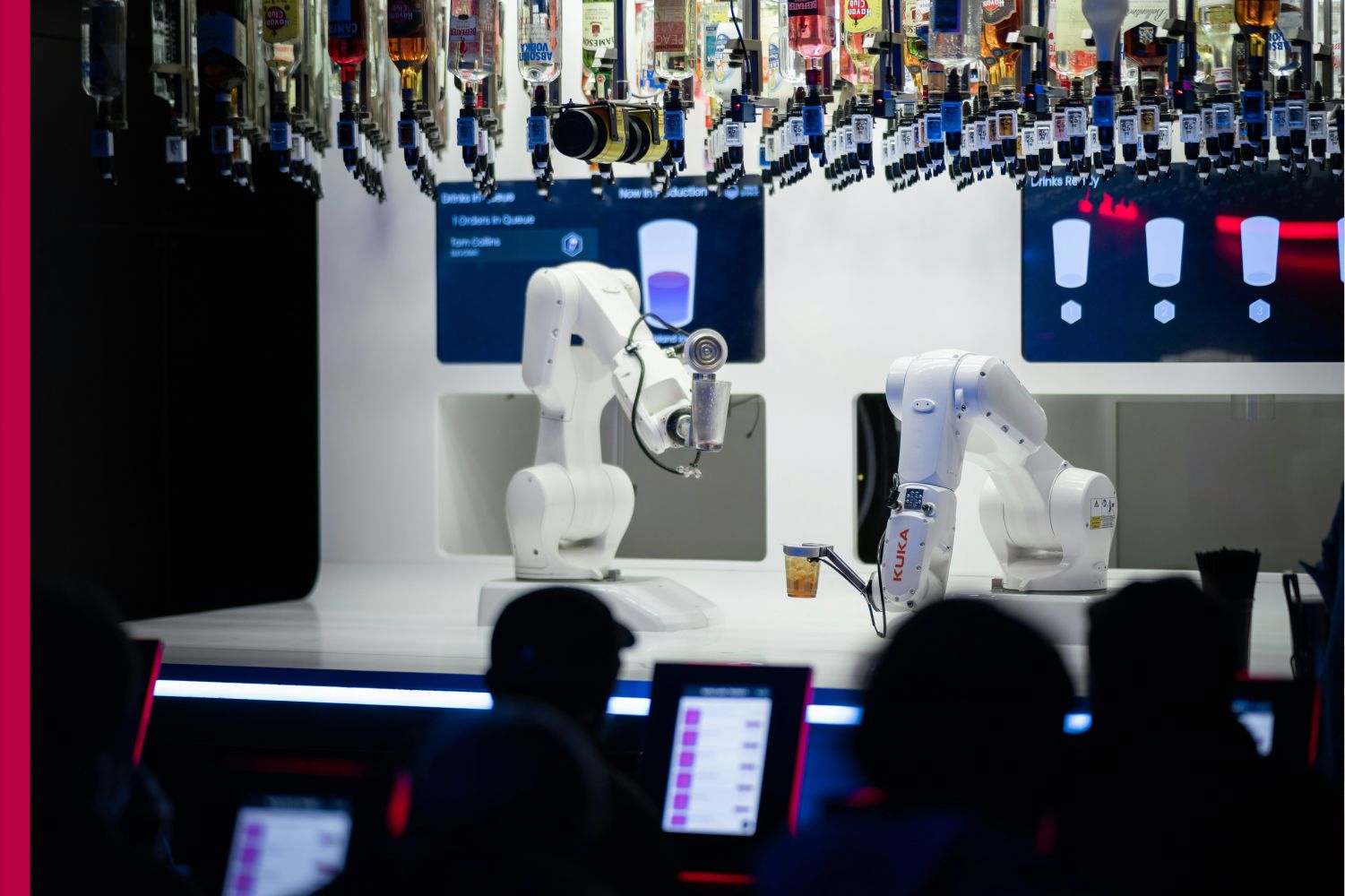
Automation is also transforming integrated supply chains. The adoption of robotics and smart manufacturing systems improves production efficiency and reduces human error. Automation allows for faster processing, consistent quality, and better resource utilization. Integrated systems ensure that automated processes are aligned with overall supply chain objectives.
The use of Artificial Intelligence is further enhancing supply chain integration. AI systems analyze large volumes of data to identify patterns, predict demand, and optimize operations. Predictive analytics helps manufacturers anticipate potential disruptions and take proactive measures to mitigate risks. AI-driven insights enable more accurate decision-making and improve overall supply chain performance.
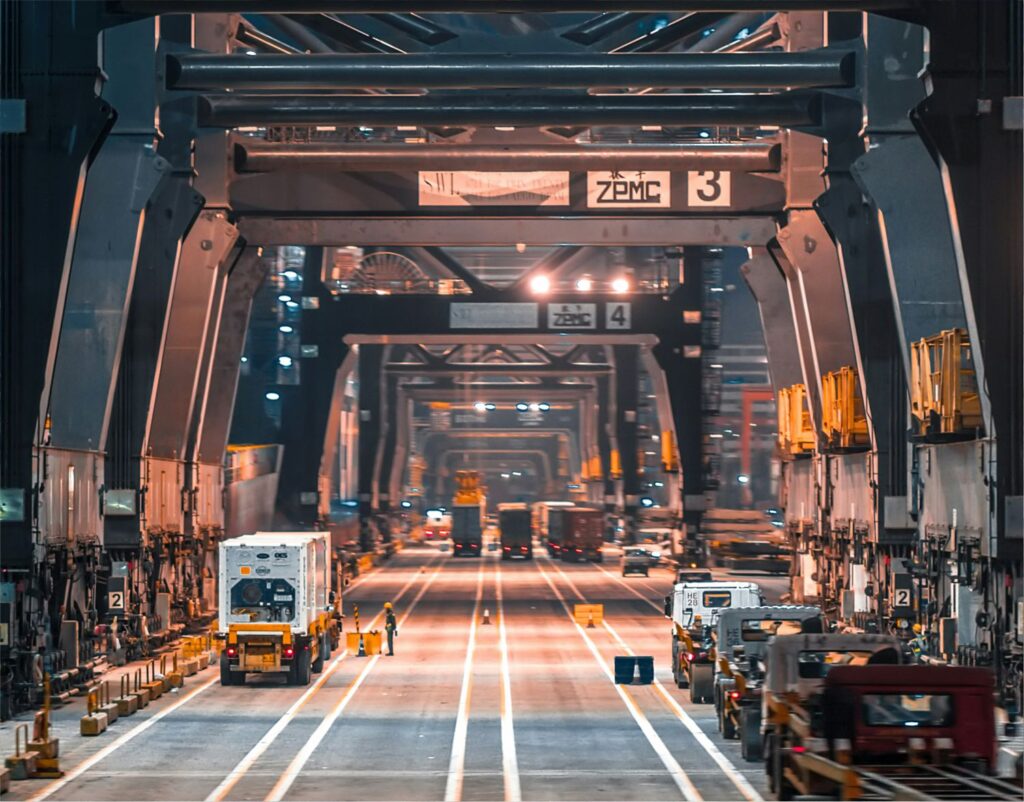
Sustainability is becoming an important consideration in supply chain integration. Integrated systems help track resource usage, emissions, and waste, enabling companies to implement eco-friendly practices. By optimizing transportation routes, reducing energy consumption, and minimizing waste, manufacturers can achieve both economic and environmental benefits.
Despite its advantages, implementing supply chain integration can be challenging. It requires significant investment in technology, infrastructure, and training. Additionally, aligning multiple stakeholders with different objectives can be complex. Data security and system compatibility are also important considerations when integrating digital platforms.
However, the long-term benefits outweigh the challenges. Integrated supply chains are more resilient, adaptable, and efficient, allowing businesses to respond effectively to market changes and disruptions. Companies that invest in integration are better positioned to compete in a global marketplace.
In conclusion, manufacturing supply chain integration is essential for achieving operational excellence and sustainable growth. By leveraging technology, fostering collaboration, and improving visibility, manufacturers can create seamless and efficient supply networks. As industries continue to evolve, integrated supply chains will play a vital role in driving innovation, reducing costs, and enhancing competitiveness in the manufacturing sector.