



The manufacturing industry is experiencing a major transformation as data becomes one of its most valuable assets. With the rise of smart factories and connected machines, data analytics in manufacturing enables organizations to extract actionable insights from vast volumes of operational data. By analyzing information generated across the production lifecycle, manufacturers can improve efficiency, reduce costs, enhance quality, and gain a sustainable competitive advantage.
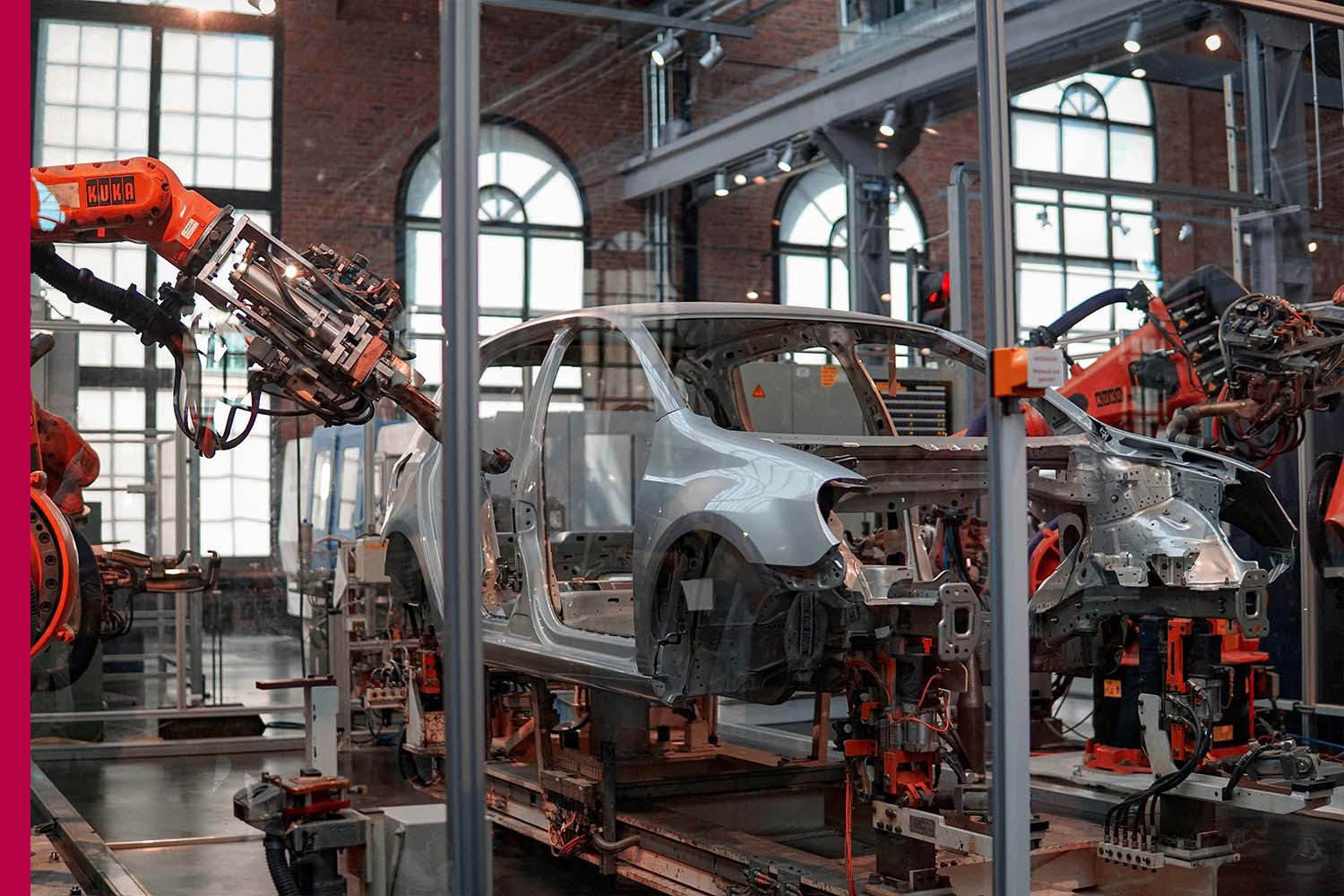
At its core, data analytics in manufacturing involves collecting data from machines, sensors, production lines, supply chains, and workforce systems, then applying analytical techniques to identify patterns and trends. The adoption of Industrial Internet of Things (IIoT) devices has significantly increased data availability on the shop floor. Sensors embedded in equipment continuously monitor parameters such as temperature, vibration, pressure, and energy consumption, creating a rich data ecosystem for analysis.
One of the most impactful applications of data analytics is predictive maintenance. Traditional maintenance strategies rely on fixed schedules or reactive repairs after breakdowns occur, leading to costly downtime. Predictive analytics uses historical and real-time data to forecast equipment failures before they happen. By identifying early warning signs of wear and malfunction, manufacturers can schedule maintenance proactively, extend asset life, and minimize unplanned outages. This not only reduces maintenance costs but also improves production reliability.
Data analytics also plays a critical role in quality control and process optimization. Advanced analytics and machine learning models analyze production data to detect anomalies and root causes of defects. Instead of inspecting finished goods alone, manufacturers can monitor quality throughout the production process and make real-time adjustments. This approach reduces scrap, rework, and waste while ensuring consistent product quality. Global technology leaders such as Siemens have integrated analytics-driven solutions into manufacturing systems to support smarter and more adaptive production environments.
Another key benefit is demand forecasting and supply chain optimization. By analyzing historical sales data, market trends, and external variables, manufacturers can better anticipate customer demand. Accurate forecasting enables optimized production planning, inventory management, and procurement, reducing excess stock and avoiding shortages. Analytics-driven supply chains are more agile and resilient, capable of responding quickly to disruptions or changes in market conditions.
Data analytics further supports energy management and sustainability initiatives. Manufacturing operations are energy-intensive, and even small efficiency gains can result in significant cost savings and emission reductions. Analytics tools help track energy usage across machines and facilities, identify inefficiencies, and recommend optimization strategies. Many manufacturers align these efforts with best practices and frameworks promoted by organizations like the International Organization for Standardization, ensuring consistency and compliance in performance measurement.
Despite its advantages, implementing data analytics in manufacturing comes with challenges. Data silos, legacy systems, cybersecurity risks, and a shortage of skilled data professionals can hinder progress. Successful adoption requires a clear data strategy, investment in digital infrastructure, and workforce upskilling to translate insights into action.
In conclusion, data analytics in manufacturing is transforming raw data into strategic intelligence. By enabling predictive maintenance, improving quality, optimizing supply chains, and supporting sustainability goals, analytics empowers manufacturers to operate smarter and more efficiently. As digitalization accelerates, data-driven manufacturing will be a defining factor in achieving long-term industrial competitiveness and innovation.