


Automation has become a cornerstone of modern manufacturing, transforming traditional production processes into highly efficient, technology-driven operations. By integrating machines, robotics, software, and intelligent systems, manufacturers can streamline workflows, reduce costs, and improve product quality. As global competition intensifies and customer expectations rise, automation is no longer a luxury it is a strategic necessity.
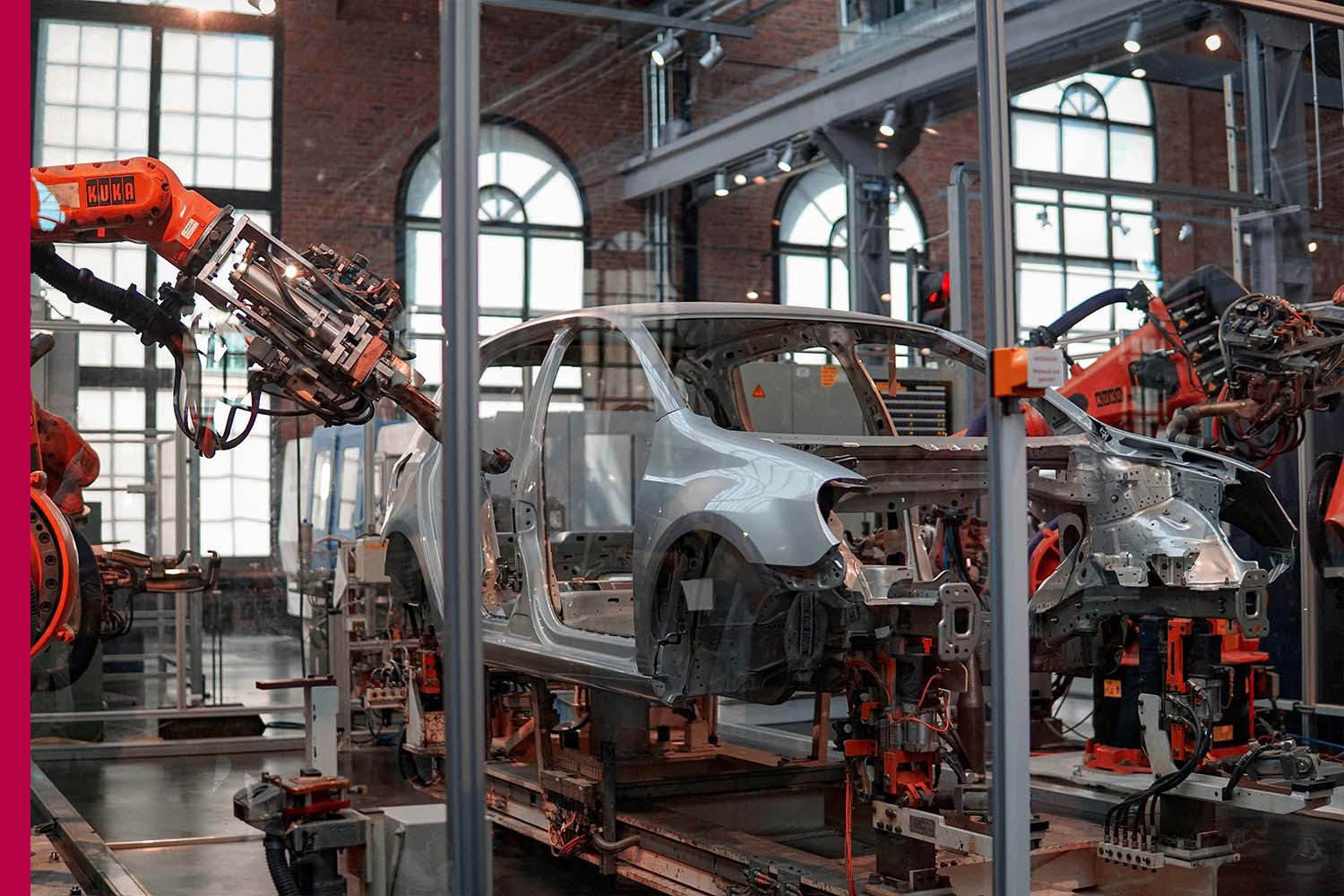
One of the most significant benefits of automation in manufacturing is increased productivity. Automated systems can operate continuously with minimal downtime, performing repetitive tasks faster and more consistently than manual labor. This leads to higher output levels and shorter production cycles. Manufacturers can meet large-scale demand without compromising speed or efficiency, giving them a strong competitive advantage.
Improved product quality and consistency are also key advantages of automation. Human error is a common challenge in manual processes, especially in tasks that require precision and repetition. Automated machines follow predefined parameters with high accuracy, ensuring uniform quality across all products. Advanced sensors and monitoring systems can detect defects in real time, allowing manufacturers to address issues immediately and reduce waste.
Cost reduction is another major benefit of manufacturing automation. While the initial investment in automation technology can be high, the long-term savings are substantial. Automated systems reduce labor costs, minimize material waste, and lower rework and warranty expenses caused by defects. Over time, these efficiencies lead to a lower cost per unit and improved profit margins.
Automation also enhances workplace safety. Manufacturing environments often involve hazardous tasks such as heavy lifting, exposure to high temperatures, or handling dangerous materials. By automating these tasks, companies can reduce the risk of workplace injuries and create a safer environment for employees. Workers can be reassigned to supervisory, maintenance, or analytical roles that are less physically demanding and more skill-oriented.
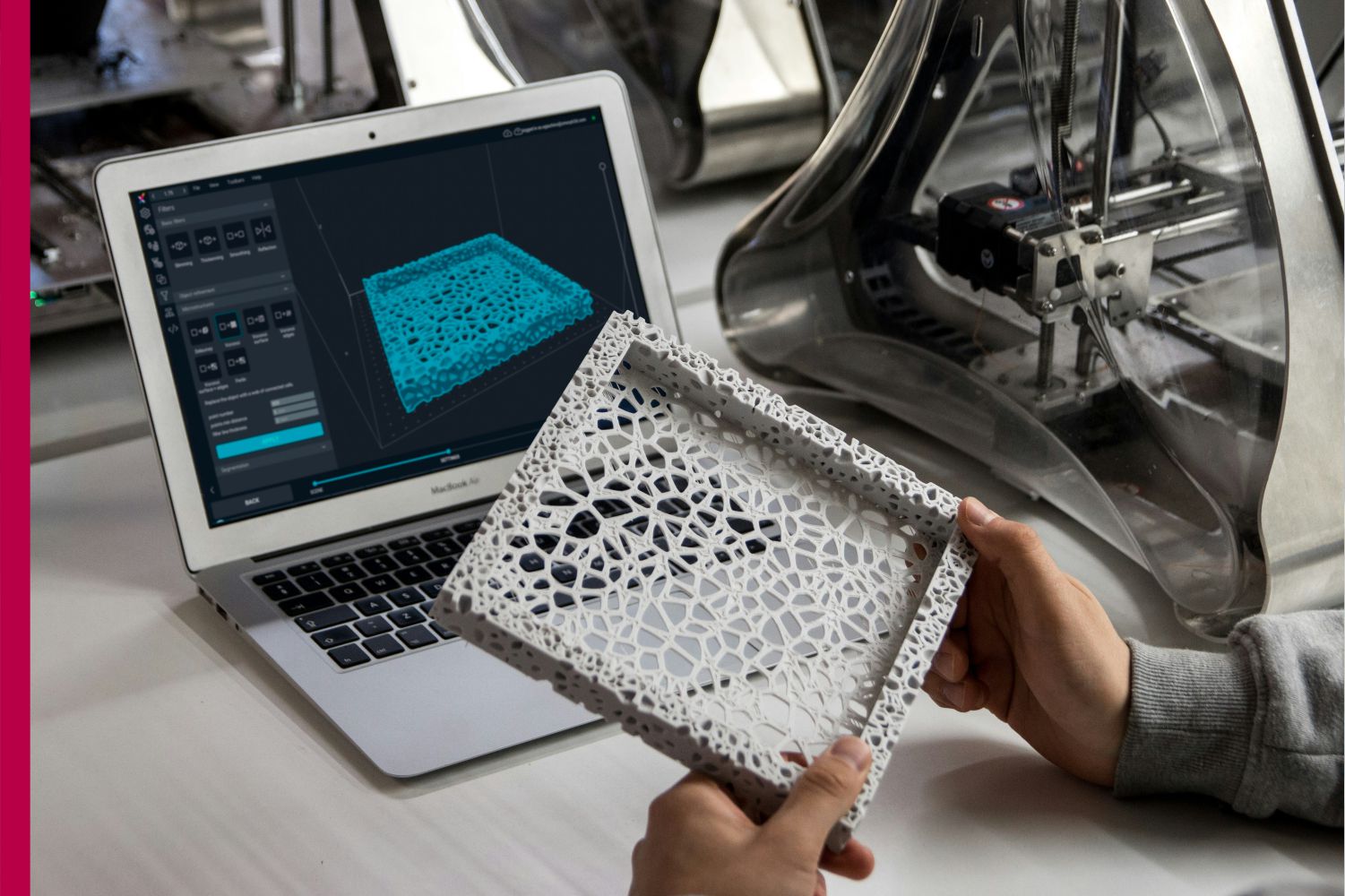
Flexibility and scalability are increasingly important in modern manufacturing, and automation supports both. Advanced automated systems can be reprogrammed or adjusted to produce different products or variations without major downtime. This flexibility allows manufacturers to respond quickly to changing market demands, customize products, and scale production up or down as needed.
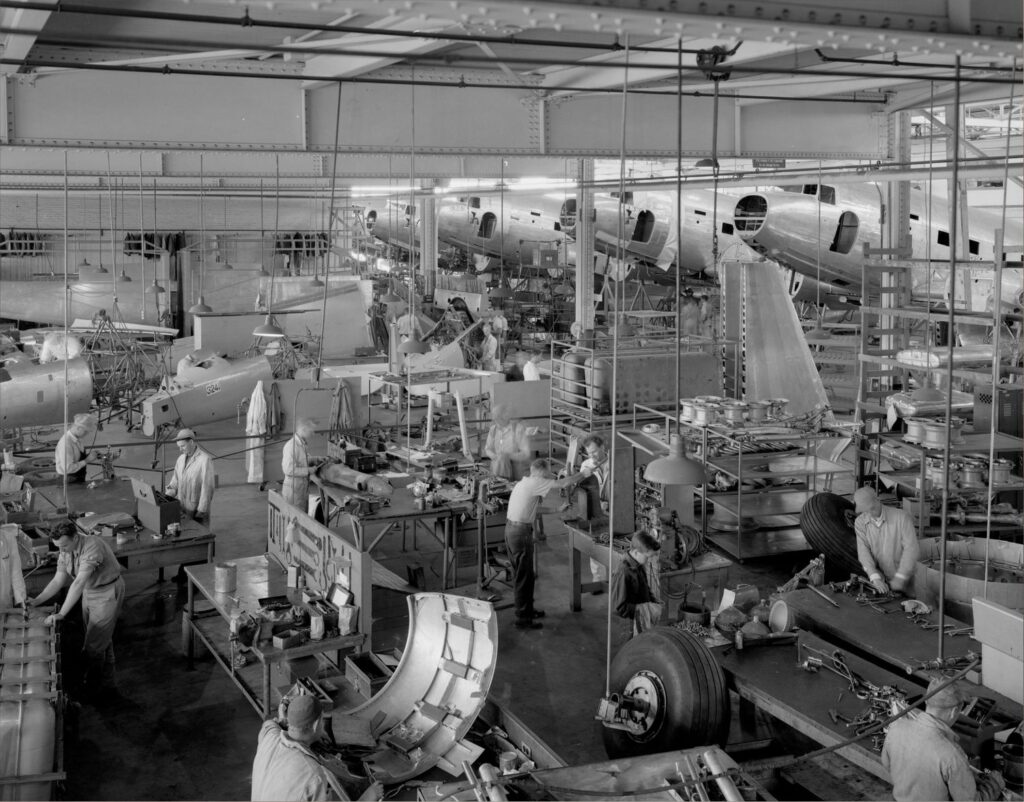
Automation also improves data collection and decision-making. Modern manufacturing automation is often integrated with digital systems that collect real-time data on machine performance, production rates, energy usage, and quality metrics. This data provides valuable insights that help managers optimize processes, predict maintenance needs, and make informed strategic decisions. Predictive maintenance, enabled by automation and analytics, reduces unexpected equipment failures and extends machine lifespan.
In addition, automation supports sustainability goals. Efficient machines consume less energy, reduce material waste, and optimize resource usage. Automated monitoring systems help manufacturers track environmental impact and comply with sustainability regulations. As sustainability becomes a key business priority, automation plays an important role in building greener manufacturing operations.
Despite its many benefits, automation also presents challenges such as high upfront costs, workforce reskilling requirements, and integration complexity. However, with proper planning, training, and phased implementation, these challenges can be effectively managed.
In conclusion, automation in manufacturing delivers a wide range of benefits, including higher productivity, improved quality, cost savings, enhanced safety, and better decision-making. As technology continues to evolve, automation will remain a critical driver of innovation and competitiveness in the manufacturing sector, enabling companies to achieve sustainable growth in an increasingly demanding global market.